


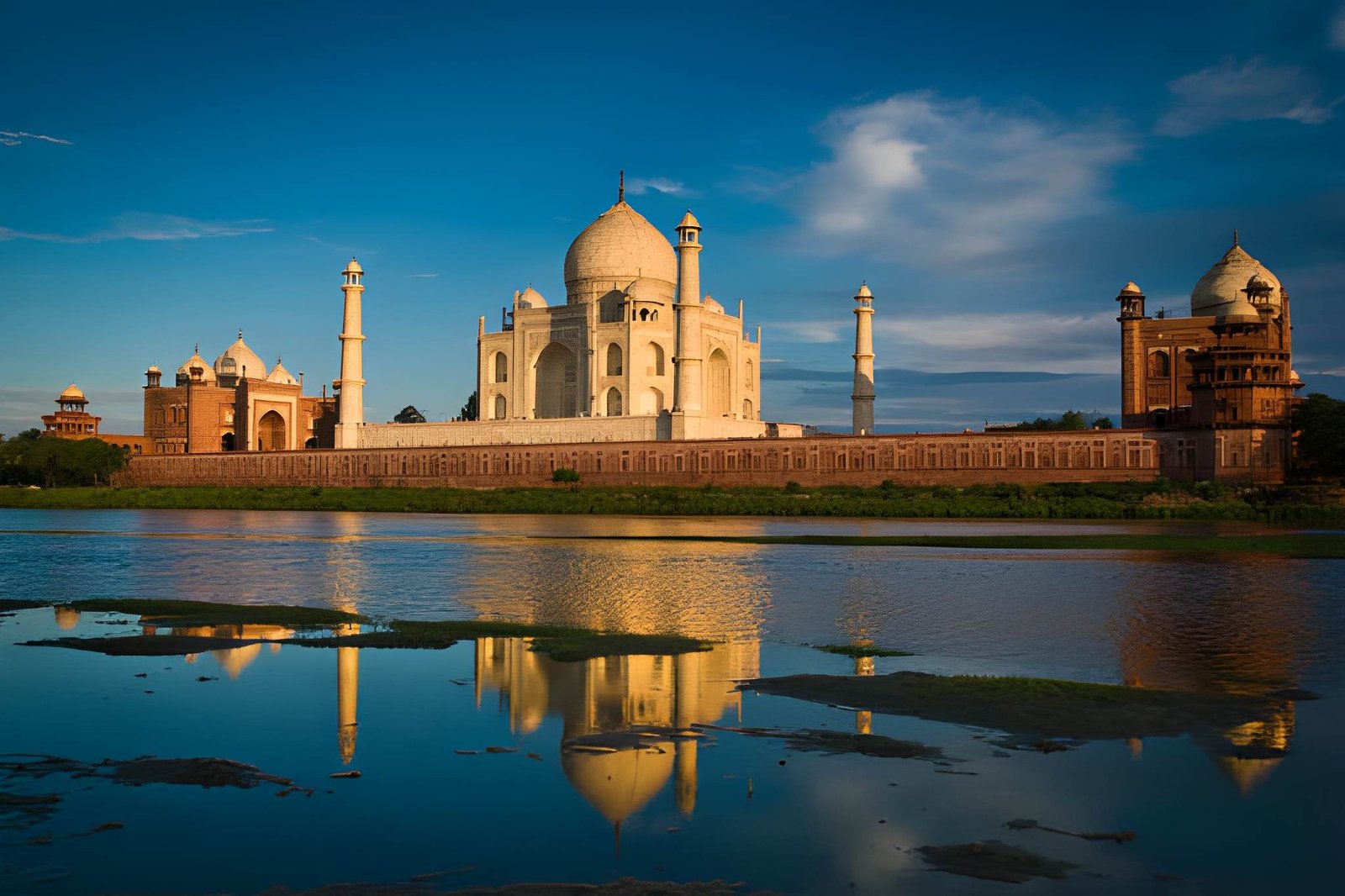
The Taj Mahal is more than a monument — it is one of the most recognizable cinematic backdrops on Earth. From Bollywood classics to Hollywood productions, documentaries, music videos, and travel shows, the ivory-white mausoleum has appeared on screens worldwide for decades.
But how did this architectural masterpiece become one of the most filmed landmarks in the world?
A Symbol Recognized Everywhere
Few landmarks carry the same instant recognition as the Taj Mahal. Built in the 17th century by Mughal emperor Shah Jahan, the monument symbolizes eternal love and architectural perfection. Its symmetry, marble reflections, and changing colors throughout the day make it visually unforgettable.
Its global popularity is enormous. The Taj Mahal has consistently ranked among the most searched and visited UNESCO World Heritage Sites worldwide.
For filmmakers, that recognition matters. One quick shot of the Taj Mahal immediately tells audiences they are in India, while also adding romance, history, and grandeur to a scene.
Bollywood’s Love Affair With the Taj Mahal
Indian cinema played a major role in turning the Taj Mahal into a global film icon. Bollywood directors have long used the monument as a setting for romantic songs, dramatic reunions, and emotional storytelling.
The monument’s beauty naturally complements cinema. Sunrise scenes create soft golden lighting, while evening shots give the marble a dreamy glow. Over the decades, audiences around the world began associating the Taj Mahal with love stories and unforgettable cinematic moments.
As Indian films gained international popularity, the Taj Mahal became familiar even to viewers who had never visited India.
Hollywood and Global Productions
Hollywood and international filmmakers soon followed. Travel documentaries, television series, and major productions frequently featured the Taj Mahal to capture India’s rich culture and history.
Its appeal lies in its versatility. The monument can represent romance, luxury, heritage, spirituality, or timeless beauty depending on the production style.
Photographers and filmmakers are also drawn to the monument’s unique geometry and reflective pools, which create naturally cinematic compositions without requiring elaborate sets or visual effects.
Tourism and Media Exposure Worked Together
As more films showcased the Taj Mahal, tourism increased. Millions of travelers visit the monument every year, making it India’s most visited ticketed heritage site.
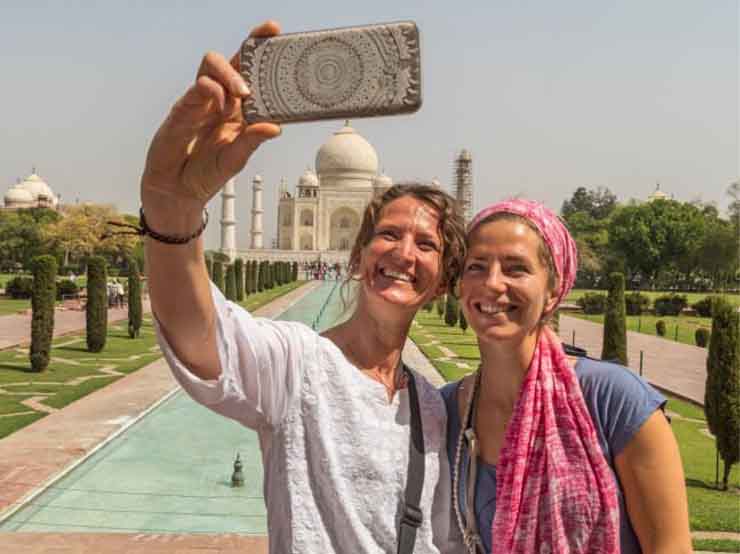
At the same time, social media amplified its fame even further. Instagram, YouTube travel vlogs, and wedding photography transformed the Taj Mahal into a must-visit global destination for creators and travelers alike.
The combination of cinema, tourism, photography, and digital media created a powerful cycle: the more people saw the Taj Mahal on screen, the more they wanted to experience it in person.
Why the Taj Mahal Continues to Inspire Filmmakers
The Taj Mahal remains timeless because it offers something rare — emotional connection. It is not just visually stunning; it represents love, legacy, and human creativity.
That emotional power is why directors, photographers, and travelers continue returning to Agra year after year.
If you are planning to experience this world-famous landmark yourself, you can book your visit and explore ticket options directly through Tickets Taj Mahal.





Comment (0)