


Introduction
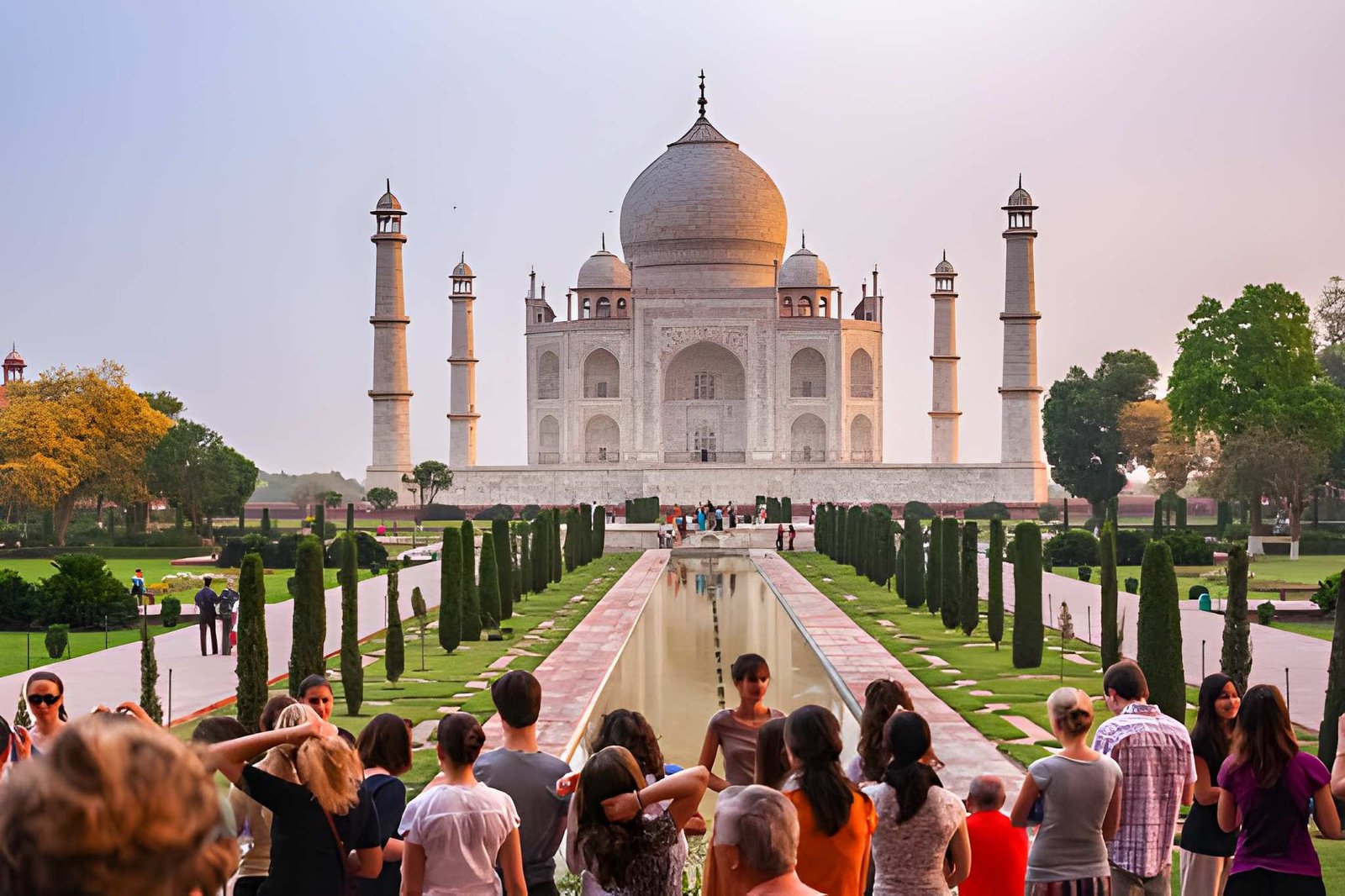
The Taj Mahal has long stood as a symbol of love, beauty, and architectural brilliance. But how did its popularity evolve from a royal tomb in the 17th century to one of the most visited landmarks in the world today? Let’s explore its journey—then vs now.
Then: A Royal Masterpiece with Limited Access
Built between 1631 and 1648 by Mughal emperor Shah Jahan, the Taj Mahal was originally a private mausoleum dedicated to his wife Mumtaz Mahal. In its early years, its visitors were mainly nobles, travelers, and historians who admired its intricate design and craftsmanship.
During the colonial period, the monument began gaining wider recognition. British officials and early tourists helped introduce the Taj Mahal to global audiences through paintings, photographs, and travel writings. Still, travel was limited, and only a small number of people could witness its beauty in person.
Transition: From Wonder to Global Icon
By the 20th century, the Taj Mahal had become internationally recognized as one of the world’s greatest architectural achievements. Its designation as a UNESCO World Heritage Site further boosted its global status.
Advancements in transportation, photography, and media played a major role. As international travel became easier, more tourists added the Taj Mahal to their bucket lists. Its image spread across postcards, documentaries, and later social media—cementing its place as a must-visit destination.
Now: A Global Tourism Powerhouse
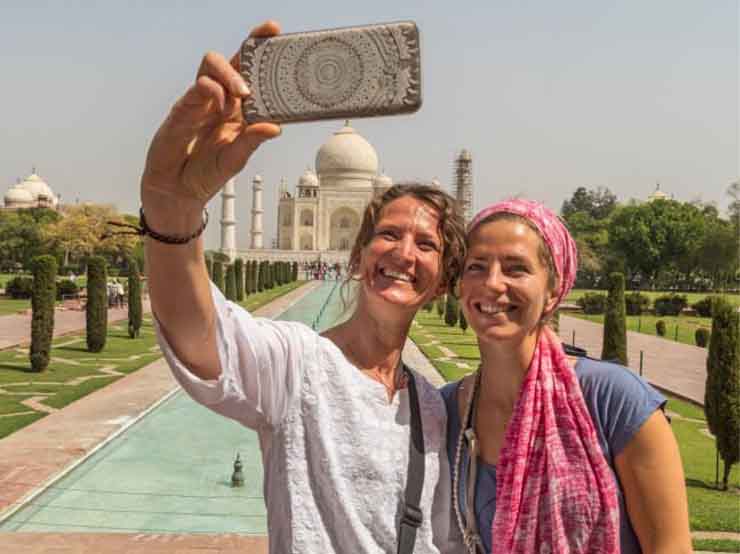
Today, the Taj Mahal is India’s most visited monument, attracting millions of tourists every year. In fact, it welcomed around 6.9 million visitors in 2024–25, including both domestic and international travelers ().
Its continued popularity is driven by several factors:
- Symbol of eternal love that resonates globally
- Easy accessibility from major Indian cities
- Strong online presence, especially on social media
- Cultural and historical significance recognized worldwide
Despite global travel fluctuations, the Taj Mahal remains a top destination and a key contributor to India’s tourism industry ().
Then vs Now: Key Differences
| Then | Now |
|---|---|
| Limited access to royalty and elite travelers | Open to millions annually |
| Known mainly regionally | Recognized worldwide |
| Spread through art and writings | Viral through digital media |
| Difficult travel conditions | Easy global connectivity |
Why Its Popularity Endures
The Taj Mahal’s appeal goes beyond numbers. Its timeless story, stunning symmetry, and emotional significance continue to captivate visitors from all cultures. Even in a rapidly changing travel landscape, it remains a universal icon of beauty and love.
Plan Your Visit
Whether you’re visiting for the first time or returning for another glimpse, the Taj Mahal offers an unforgettable experience.
👉 Book your tickets easily and skip the hassle: https://ticketstajmahal.com
Conclusion
From a secluded royal monument to a global tourism phenomenon, the Taj Mahal’s popularity has only grown stronger with time. Its story proves that true beauty—and true love—never fade.





Comment (0)