


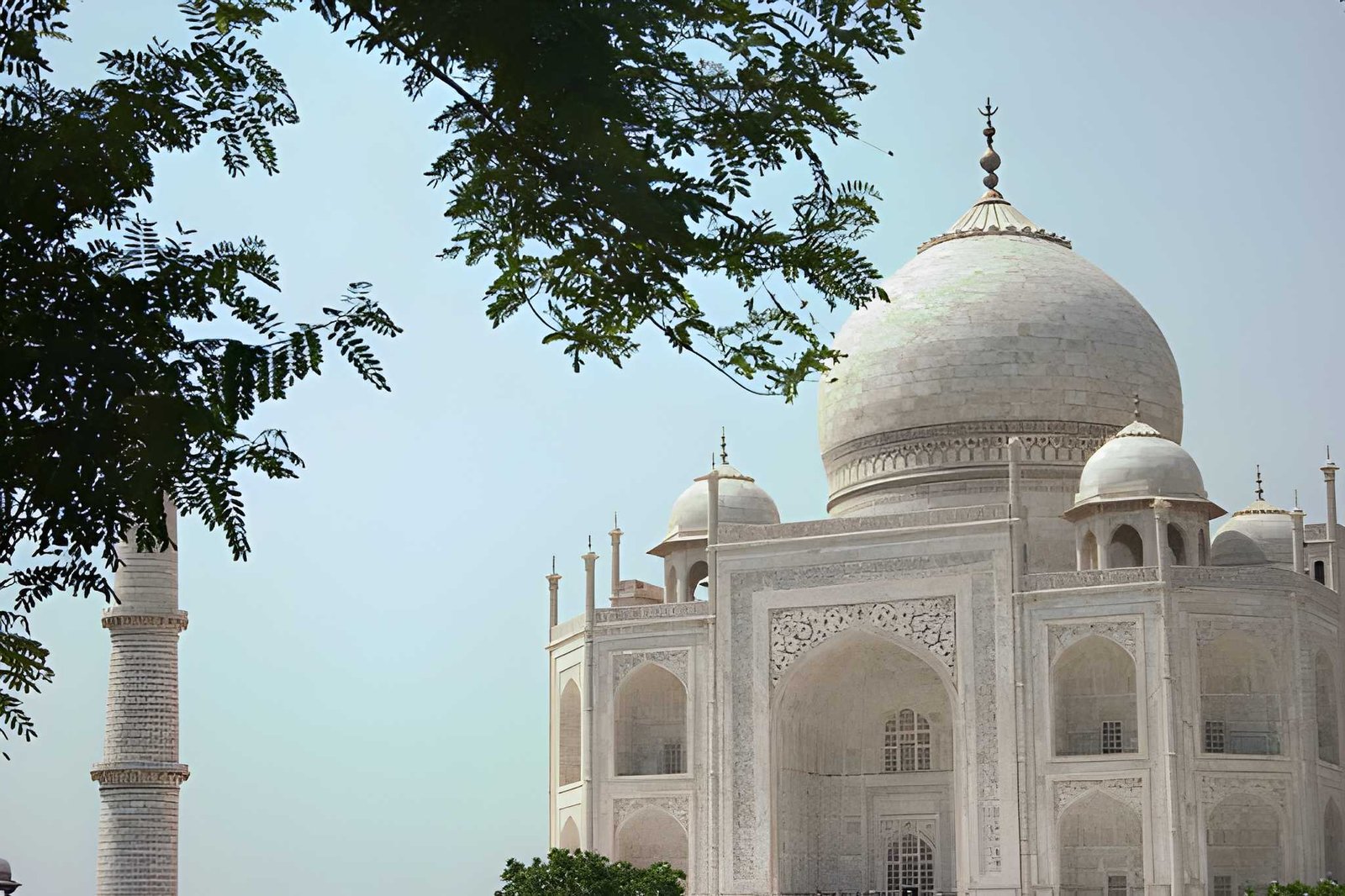
The Taj Mahal is one of the most iconic monuments in the world; moreover, it represents a timeless symbol of love and architectural brilliance. This guide highlights its key aspects in a clear and engaging way.
1. Historical Background
First of all, the Taj Mahal was commissioned in 1632 by Mughal Emperor Shah Jahan. He built it in memory of his wife, Mumtaz Mahal; therefore, it stands as a lasting tribute to love and loss. In addition, the construction took over 20 years and involved thousands of skilled artisans.
2. Location and Setting
The monument is located in Agra, India, along the Yamuna River. Because of this riverside setting, the Taj Mahal appears even more serene and majestic. Furthermore, its beauty changes throughout the day as the sunlight reflects off the white marble.
3. Architectural Features
Not only is the Taj Mahal visually stunning, but it is also a masterpiece of Mughal architecture. For example, it combines Persian, Islamic, and Indian styles seamlessly. Key features include:
- A white marble dome rising about 73 meters
- Four symmetrical minarets surrounding the structure
- Intricate inlay work with semi-precious stones
- Elegant calligraphy decorating the walls
As a result, the entire complex reflects perfect symmetry and harmony.
4. Materials and Craftsmanship
The marble used was sourced from Makrana in Rajasthan; meanwhile, precious stones like jade and turquoise were imported from distant regions. Consequently, the monument showcases exceptional craftsmanship. In fact, artisans used advanced techniques to create detailed floral patterns that remain impressive today.
5. Cultural and Global Significance
Today, the Taj Mahal is a UNESCO World Heritage Site; moreover, it is recognized as one of the New Seven Wonders of the World. Because of its cultural importance, millions of tourists visit it every year. Thus, it continues to represent India’s rich heritage globally.
6. Interesting Facts
Interestingly, the Taj Mahal appears to change color depending on the time of day. In addition, the minarets are slightly tilted outward to protect the main structure. Furthermore, while visitors see decorative cenotaphs inside, the real tombs lie beneath. As a result, the monument combines beauty with thoughtful engineering.
7. Visiting Tips
If you plan to visit, it is best to arrive early in the morning; this way, you can avoid large crowds. Also, booking tickets in advance is highly recommended. Moreover, following site rules ensures a smooth experience. For a deeper understanding, you may also consider hiring a guide.
Plan Your Visit
Finally, if you’re ready to experience the Taj Mahal in person, you can book your tickets quickly and easily through our website:
https://ticketstajmahal.com
This way, you can enjoy a hassle-free and memorable visit.






Comment (0)