


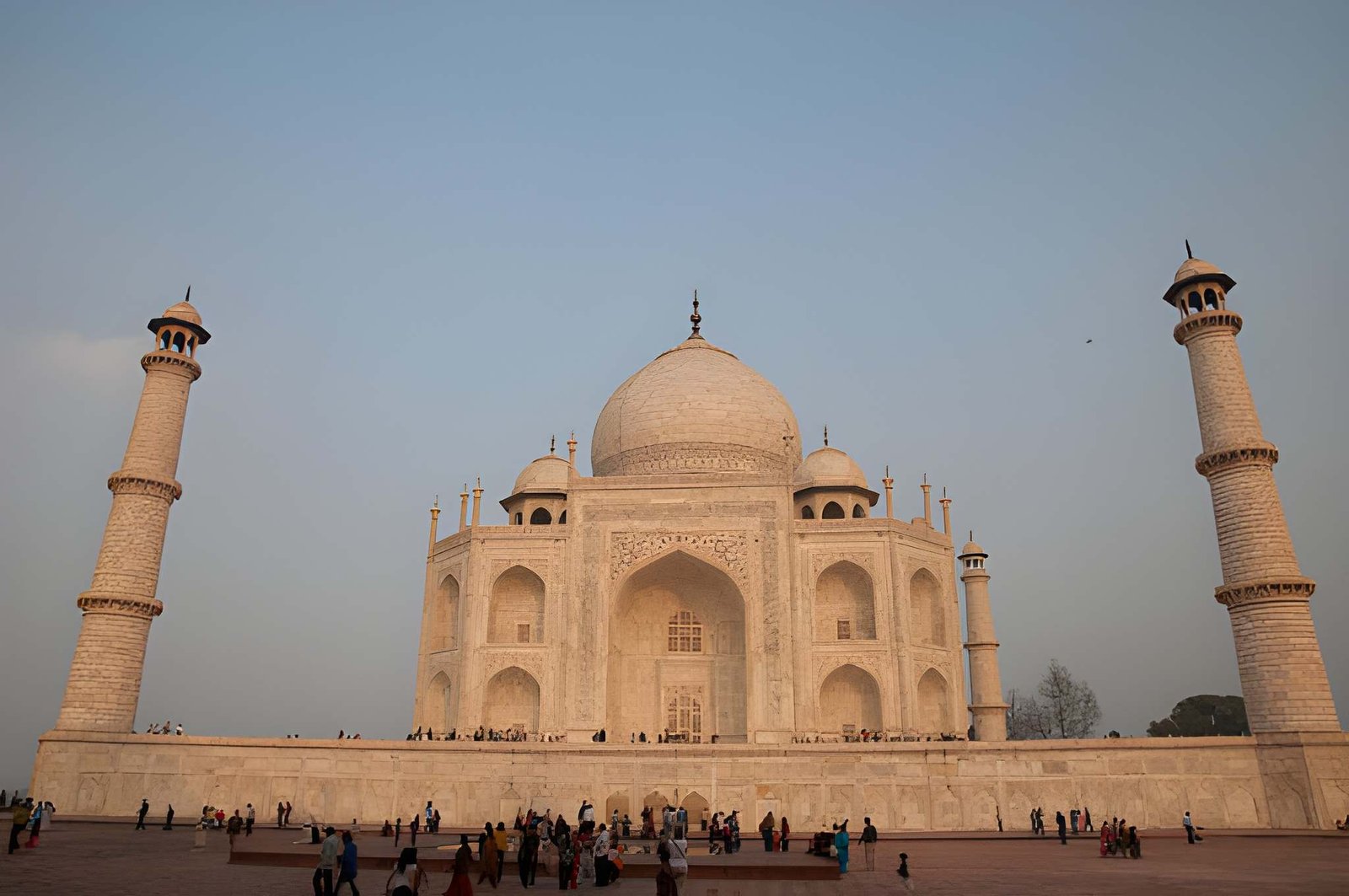
The Taj Mahal is one of the most iconic monuments in the world, and it continues to attract millions of visitors each year. However, preserving this UNESCO World Heritage Site comes at a substantial cost. In fact, from cleaning its pristine white marble to protecting it from pollution, maintaining the Taj Mahal requires continuous effort and investment.
Annual Maintenance Cost
To begin with, maintaining the Taj Mahal is far from inexpensive. The Indian government spends approximately ₹20–25 crore annually (around $2.4–3 million USD) on its upkeep. These funds are managed by the Archaeological Survey of India (ASI). As a result, the monument remains structurally sound and visually stunning for future generations.
What Does Maintenance Include?
Notably, the cost of maintaining the Taj Mahal covers a wide range of essential activities. In other words, it is not just about cleaning but also long-term preservation.
1. Marble Cleaning and Restoration
First of all, the Taj Mahal is built from delicate Makrana marble, which can gradually turn yellow due to pollution. Therefore, specialized cleaning methods—such as applying Fuller’s Earth (multani mitti)—are used. This process, in turn, helps restore its natural shine without causing damage.
2. Structural Monitoring
In addition, engineers regularly inspect the monument for cracks and foundation issues. At the same time, they monitor the effects of weather and changes in the nearby Yamuna River. Consequently, potential problems can be addressed before they become serious.
3. Environmental Protection
Moreover, strict environmental regulations are enforced in the surrounding Taj Trapezium Zone (TTZ). For instance, industrial emissions are controlled and air quality is closely monitored. As a result, these measures help protect the marble from discoloration and long-term harm.
4. Visitor Management
Furthermore, with millions of tourists visiting each year, maintaining pathways, gardens, and facilities is essential. Likewise, effective crowd management reduces wear and tear on the monument. Thus, both the visitor experience and preservation efforts benefit.
Additional Conservation Costs
Beyond routine maintenance, there are also special restoration projects. For example, large-scale marble repairs and advanced cleaning treatments can significantly increase expenses. In fact, government allocations for conservation projects often add several crores of rupees over time. Therefore, the overall cost fluctuates depending on the monument’s needs.
Why Is Maintenance So Expensive?
Clearly, several factors contribute to the high cost. On one hand, the delicate materials require expert care. On the other hand, environmental threats such as pollution and acid rain add complexity. Additionally, heavy tourism increases maintenance demands. Ultimately, because the Taj Mahal is a global landmark, preservation standards must remain exceptionally high.
Experience the Taj Mahal Yourself
Even so, despite the costs and challenges, the Taj Mahal continues to captivate visitors from around the world. Indeed, seeing it in person is an unforgettable experience.
So, if you’re planning a visit, you can make your trip smooth and hassle-free by booking your tickets in advance at https://ticketstajmahal.com. This way, you can avoid long queues and fully enjoy one of the world’s greatest wonders.
In conclusion, preserving the Taj Mahal is an ongoing responsibility. Nevertheless, every effort—and every dollar spent—ensures that this timeless masterpiece remains for generations to come






Comment (0)