


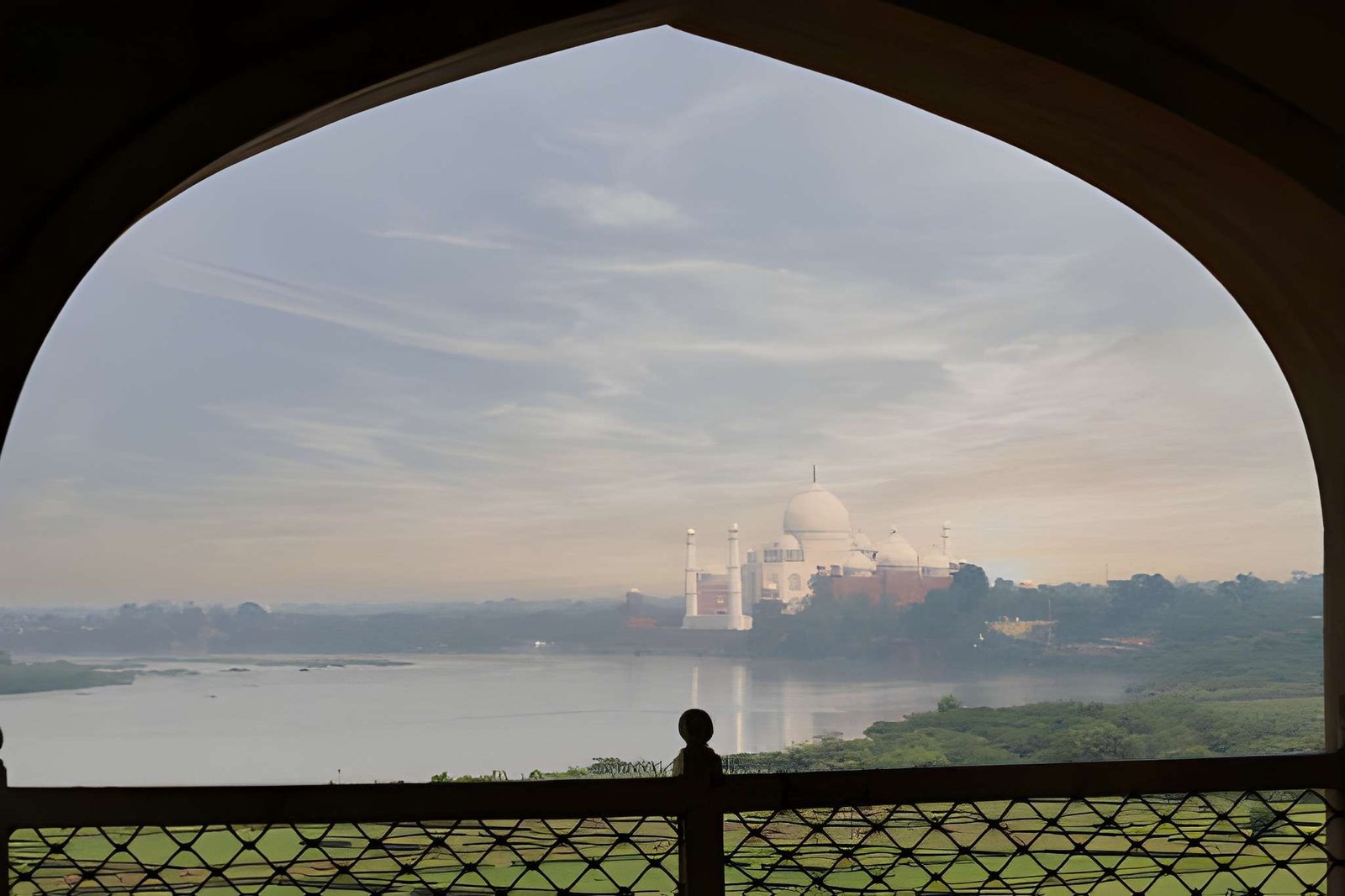
The Taj Mahal is more than a monument of love — it is a masterpiece of artistic brilliance, engineering precision, and architectural innovation. Built during the reign of Shah Jahan in memory of his beloved wife Mumtaz Mahal, the Taj Mahal continues to amaze millions with its flawless symmetry and timeless beauty.
Who Designed the Taj Mahal?
The primary architect most commonly associated with the Taj Mahal is Ustad Ahmad Lahori, a renowned Persian architect believed to have led the grand project. However, the monument was not the work of one individual alone. It was the result of collaboration among master craftsmen, calligraphers, stone inlay artists, and engineers from across Asia and the Middle East.
More than 20,000 artisans worked together for over two decades to complete this iconic wonder. Their combined creativity transformed white marble into one of the most admired structures in the world.
The Architectural Brilliance
What makes the Taj Mahal truly extraordinary is its perfect balance of Persian, Islamic, and Indian architectural styles. Every detail was carefully planned to create harmony and visual perfection.
The central dome rises elegantly above the structure, while the four minarets slightly tilt outward — a clever engineering technique designed to protect the main tomb during earthquakes.
The monument also changes appearance throughout the day. At sunrise, the marble glows pinkish; during daylight, it appears brilliant white; and under moonlight, it shines with a soft golden hue.
Artistic Details That Define Perfection
One of the most fascinating elements of the Taj Mahal is its intricate marble inlay work known as Pietra Dura. Semi-precious stones were delicately embedded into marble surfaces to create floral patterns and decorative designs that remain stunning centuries later.
The Arabic calligraphy adorning the entrance gates was also designed with incredible precision. The script appears perfectly uniform from ground level, even though the lettering size gradually increases higher up the walls.
These artistic illusions showcase the incredible creativity and mathematical understanding of the craftsmen behind the monument.
A Symbol That Inspires the World
Today, the Taj Mahal stands as a UNESCO World Heritage Site and one of the New Seven Wonders of the World. Its beauty continues to inspire architects, artists, photographers, and travelers from around the globe.
Visiting the Taj Mahal is not simply sightseeing — it is experiencing a timeless work of human imagination and devotion.
Plan Your Taj Mahal Visit
Experience the wonder of the Taj Mahal in person and explore its breathtaking artistry up close. Secure your entry and avoid long queues with trusted bookings through Tickets Taj Mahal.





Comment (0)