


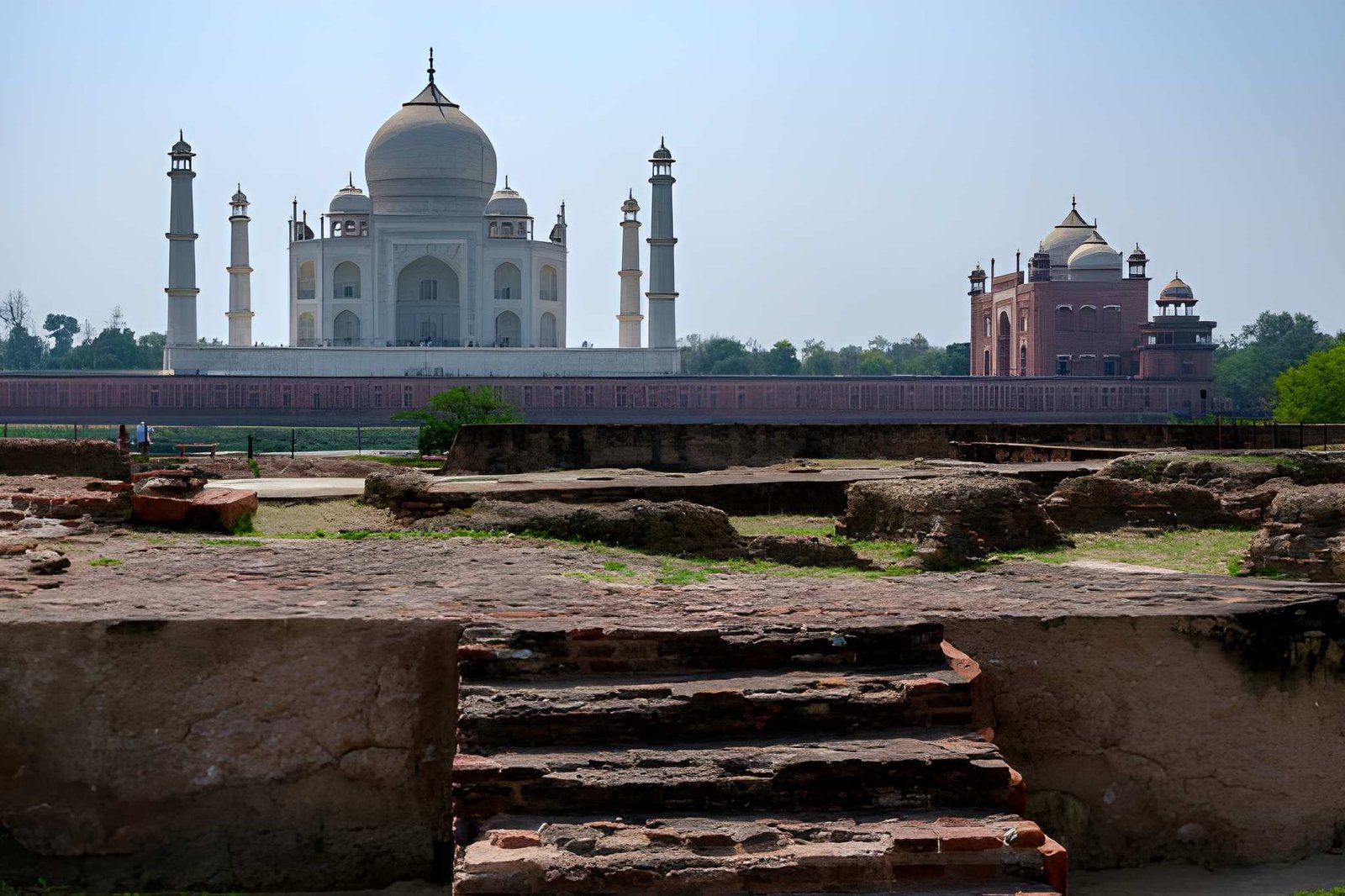
A Universal Symbol of Love and Devotion
The Taj Mahal stands as a powerful symbol of love across the world. Emperor Shah Jahan built it in the 17th century to honor his wife Mumtaz Mahal, and through this act, he expressed deep personal devotion. As a result, people from many cultures now see the monument as a timeless representation of romance.
Moreover, couples frequently visit the Taj Mahal to celebrate their relationships. In this way, the monument continues to connect human emotions across generations and borders.
A Masterpiece of Cultural Fusion
The Taj Mahal also reflects a rich blend of cultural influences. Designers combined Persian, Islamic, and Indian architectural styles to create its unique appearance. Consequently, the monument showcases how collaboration can produce extraordinary results.
In addition, this fusion highlights the exchange of ideas that shaped history. Today, visitors can clearly see how different traditions came together to form one harmonious masterpiece.
A Global Icon of Artistic Excellence
The Taj Mahal inspires admiration for its artistic brilliance. Its perfect symmetry, detailed marble inlays, and carefully planned gardens demonstrate exceptional craftsmanship. Therefore, artists and architects around the world study its design for inspiration.
Furthermore, the monument continues to influence modern architecture and creative expression. Its elegance proves that beauty and precision can stand the test of time.
A Symbol of Heritage and Identity
The Taj Mahal plays a key role in representing India’s cultural heritage. It reflects the country’s history, creativity, and architectural excellence. At the same time, people across the globe recognize it as a shared human treasure.
Because of this global recognition, millions of travelers visit every year. They not only admire its beauty but also connect with its deeper cultural significance.
Spiritual and Philosophical Meaning
The Taj Mahal also carries spiritual meaning through its design. Its gardens and layout draw inspiration from the idea of paradise, which symbolizes peace and eternity. As visitors walk through the complex, they often feel a sense of calm and reflection.
In addition, the monument encourages people to think about life, love, and legacy. This deeper meaning allows it to resonate with individuals from different backgrounds.
Experience the Taj Mahal Yourself
Ultimately, no description can fully capture the experience of the Taj Mahal. You must see it in person to truly understand its beauty and cultural importance.
So, plan your visit today and make your journey unforgettable. Book your tickets easily through our website: https://ticketstajmahal.com





Comment (0)