


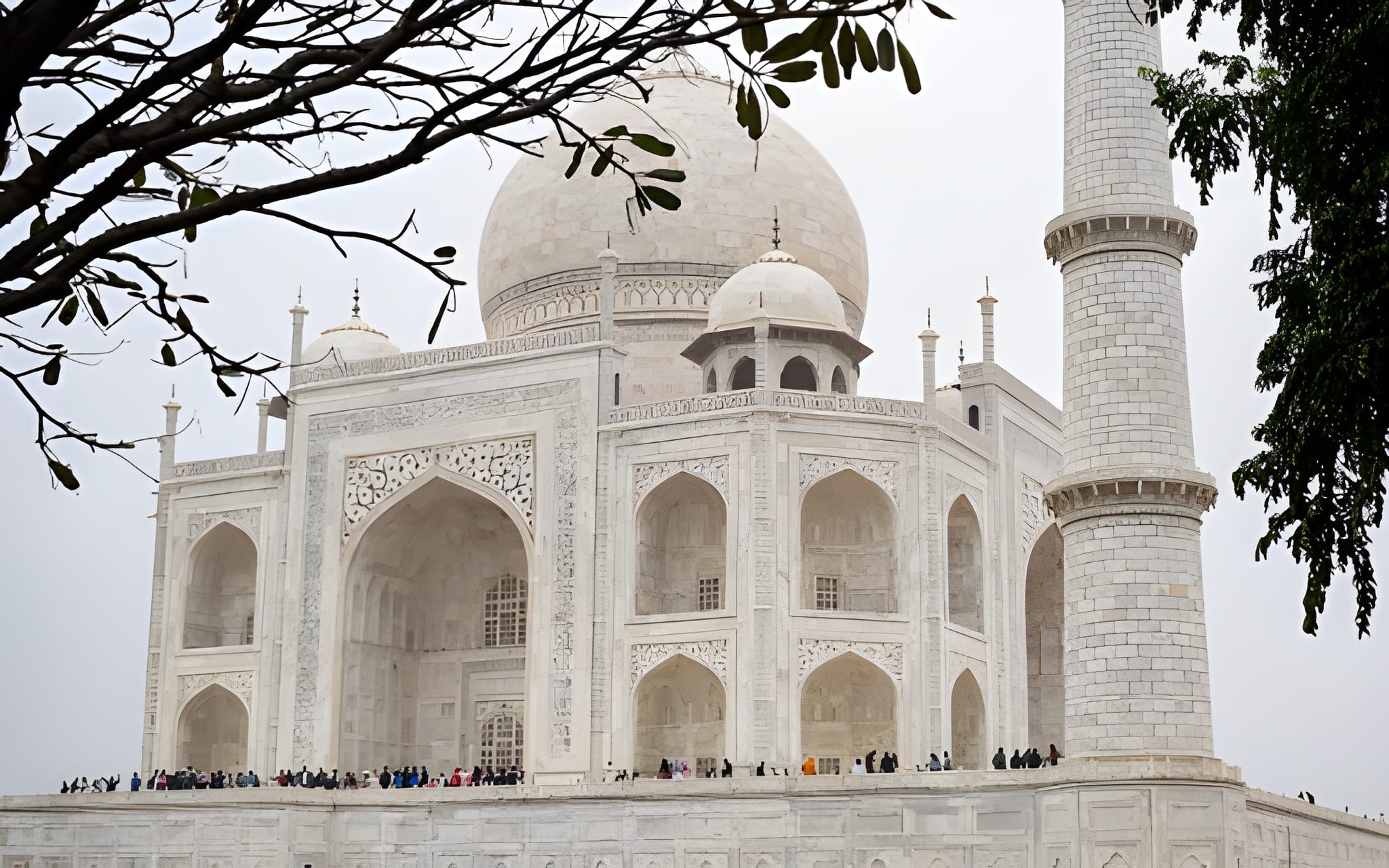
The Mughal Empire, once one of the most powerful and sophisticated dynasties in Indian history, left behind a legacy that continues to captivate the world. From grand architectural wonders to advances in art, literature, and culture, the Mughals shaped centuries of Indian heritage. Yet, by the 18th century, the empire that built the majestic Taj Mahal was in steady decline. Understanding this fall gives deeper meaning to the timeless beauty that still stands on the banks of the Yamuna River in Agra.
The Golden Age Under Shah Jahan
The reign of Emperor Shah Jahan (1628–1658) marked the peak of Mughal prosperity. His vision brought the empire unmatched wealth and artistic splendor. The crowning jewel of his reign, the Taj Mahal, built in memory of his beloved wife Mumtaz Mahal, remains one of the most iconic symbols of love and architectural brilliance in the world.
During this period, trade, architecture, and culture flourished. The Mughals ruled over vast territories and fostered an atmosphere of tolerance and innovation. However, beneath this glittering surface, the seeds of decline had already been sown.
Causes of Decline
-
Overextension and Costly Wars:
Successive emperors, especially Aurangzeb, expanded the empire beyond sustainable limits. Endless military campaigns drained the treasury and exhausted the army. -
Religious Intolerance and Internal Divisions:
While earlier emperors like Akbar promoted unity among diverse faiths, Aurangzeb’s strict religious policies created unrest among the population, weakening internal harmony. -
Weak Successors and Court Corruption:
After Aurangzeb’s death in 1707, the empire saw a series of weak rulers more interested in luxury than governance. Nobles competed for power, and corruption spread across the court. -
Rise of Regional Powers and European Influence:
Local kingdoms such as the Marathas, Sikhs, and Rajputs asserted independence. Meanwhile, the British East India Company began gaining control over trade and politics, marking the beginning of colonial dominance in India.
The Taj Mahal: A Symbol Beyond Time
Even as the Mughal Empire faded, the Taj Mahal continued to inspire awe. Its perfect symmetry, intricate marble inlay work, and poetic history make it a masterpiece of world architecture. Ironically, while the empire that built it crumbled, the monument itself became a lasting emblem of India’s cultural grandeur.
The Taj Mahal not only stands as a memorial of love but also as a silent witness to the rise and fall of a once-mighty empire. Visiting this monument offers a journey through time — from the golden era of Mughal art and architecture to the echoes of a dynasty’s decline.
Visit the Legacy
Today, millions of visitors from around the world come to Agra to experience the breathtaking beauty of the Taj Mahal. Whether you are a history enthusiast, a traveler seeking cultural depth, or someone inspired by love stories of the past, this wonder offers a truly unforgettable experience.
If you’re planning your visit, make sure to book your tickets in advance to avoid long queues and ensure a smooth, memorable trip. AtTicketstajmahal.com, we make it simple and secure to book Taj Mahal entry tickets online. Explore India’s most iconic monument, witness the enduring symbol of love, and relive the history of the Mughal Empire’s final glory.






Comment (0)