


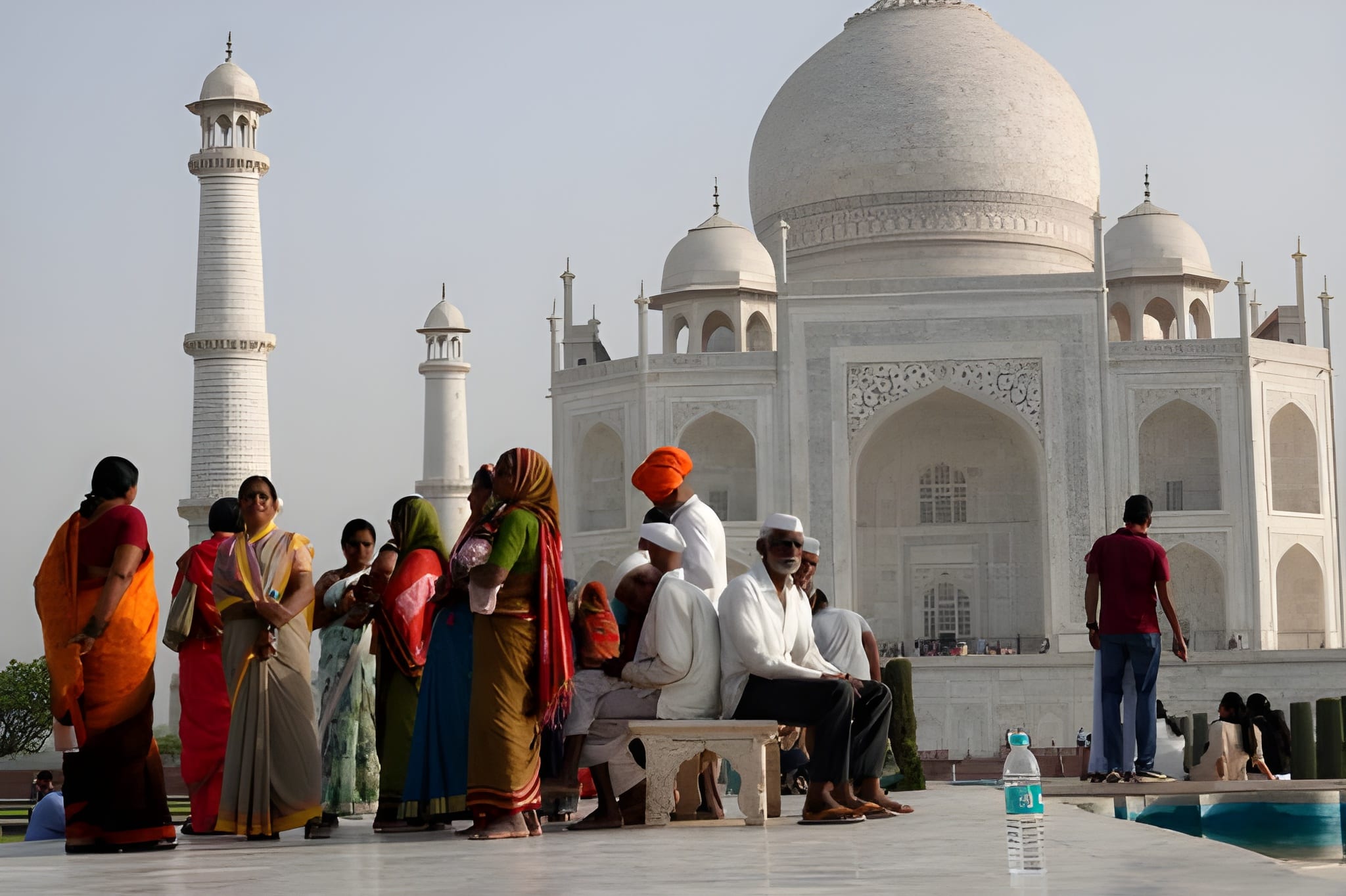
The Taj Mahal, one of the world’s most iconic landmarks, stands not only as a symbol of love and architectural brilliance but also as a powerful driver of India’s economy and social development. Every year, millions of visitors from across the globe travel to Agra to witness its timeless beauty—creating opportunities that reach far beyond the monument’s marble walls.
Boosting India’s Tourism Economy
Tourism is one of India’s key economic sectors, and the Taj Mahal remains its brightest gem. According to government estimates, the monument attracts over six million visitors annually, making it one of the most visited UNESCO World Heritage Sites in the world.
This consistent flow of tourists fuels local and national economic growth. Hotels, restaurants, tour operators, and transport services all thrive due to the steady stream of visitors. In fact, tourism related to the Taj Mahal generates thousands of jobs for the people of Agra—from local guides and artisans to hospitality staff and small business owners.
By purchasing tickets, souvenirs, and local crafts, travelers help sustain the city’s economy. Many artisans who once faced declining traditional markets now find stable income through the sale of marble inlay works, miniature Taj replicas, and other handcrafted souvenirs inspired by Mughal art.
Infrastructure and Urban Development
The popularity of the Taj Mahal has also accelerated infrastructure development in Agra and surrounding regions. To accommodate millions of tourists, the city has seen vast improvements in road networks, transportation, and urban amenities. The construction of expressways and upgraded railway links has made travel between Delhi and Agra faster and more accessible than ever.
The government and private sector continue to invest in sustainable tourism initiatives to preserve both the monument and the city’s environment. This includes eco-friendly transport options like electric buses and cycle rickshaws, helping reduce pollution near the Taj Mahal’s fragile marble structure.
Social and Cultural Transformation
Beyond economics, the Taj Mahal also shapes social and cultural identity. For many Indians, it serves as a proud emblem of national heritage and historical artistry. Its presence fosters cultural exchange, as people from diverse backgrounds visit Agra and engage with local traditions, cuisine, and music.
The monument’s story—built by Emperor Shah Jahan in memory of his beloved wife Mumtaz Mahal—continues to inspire themes of love, devotion, and beauty across literature, film, and art. It has turned Agra into a vibrant cultural center where ancient Mughal heritage meets modern aspirations.
Global Recognition and Preservation Efforts
International attention to the Taj Mahal has prompted stronger conservation efforts and global partnerships. UNESCO’s heritage programs and various environmental organizations collaborate with Indian authorities to protect the site from pollution and climate effects. These efforts ensure that future generations can continue to marvel at the monument’s splendor.
By supporting responsible tourism—such as purchasing tickets through verified platforms and respecting preservation guidelines—visitors play an important role in maintaining this global treasure.
Plan Your Visit with Ease
If you’re planning to experience the grandeur of the Taj Mahal, make your trip seamless by booking your tickets online at Ticketstajmahal.com. Our platform offers a convenient and secure way to purchase official entry tickets and exclusive visitor experiences—all while helping preserve one of the world’s greatest wonders.





Comment (0)