


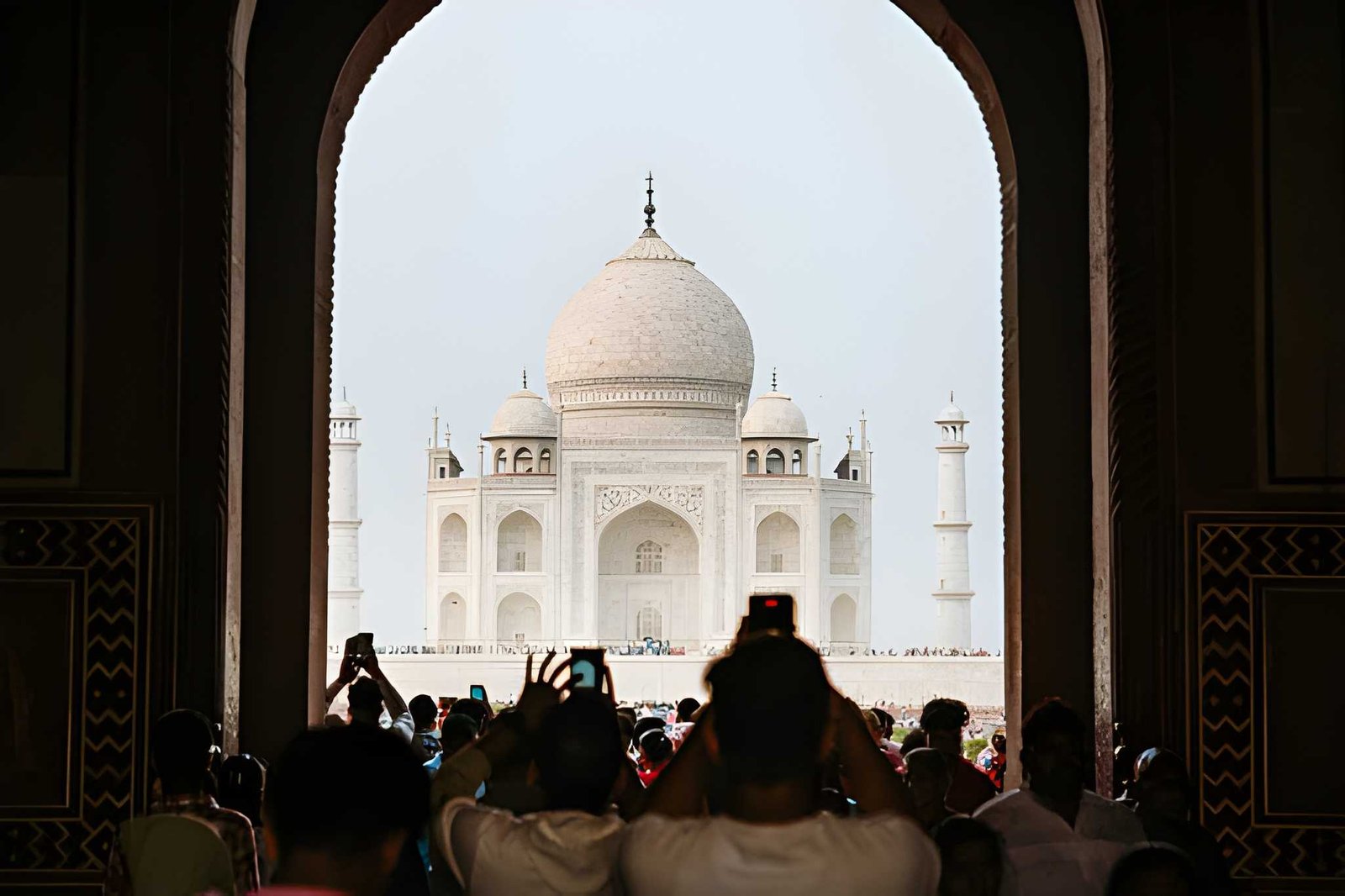
The Taj Mahal has inspired artists, travelers, and photographers for centuries. From the earliest black-and-white photographs to today’s breathtaking drone and smartphone images, the monument has remained one of the world’s most photographed landmarks. Over time, photography styles and technology have transformed how people capture its beauty while preserving its timeless charm.
The Early Days of Taj Mahal Photography
Photography of the Taj Mahal began in the mid-19th century when early photographers used large cameras and long exposure techniques. Some of the earliest known images were taken by British photographer John Murray and later by Felice Beato during the 1850s and 1860s. These photographs showcased the monument in a raw and peaceful setting, often without crowds.
Vintage images from this period reveal a very different atmosphere around the Taj Mahal. The gardens looked less structured, and the surroundings were quieter than today’s bustling tourist destination. Historical archives still preserve these rare photographs, offering a glimpse into India’s colonial-era photography.
The Rise of Color Photography
By the early 20th century, photography technology improved rapidly. Colorized prints and later true color photography allowed photographers to capture the Taj Mahal’s changing shades throughout the day. The white marble monument appears pinkish at sunrise, bright white during the day, and golden under moonlight, making it a favorite subject for artistic photography.
Tourists visiting India began carrying portable cameras, making personal travel photography more popular. Postcards featuring the Taj Mahal also became widely circulated around the world, helping establish it as a global symbol of beauty and romance.
The Digital Photography Revolution
The digital era completely transformed Taj Mahal photography. DSLR cameras enabled photographers to capture high-resolution images with stunning details, reflections, and night shots. Professional travel photographers started experimenting with creative angles, symmetry, and lighting techniques to showcase the monument in new ways.
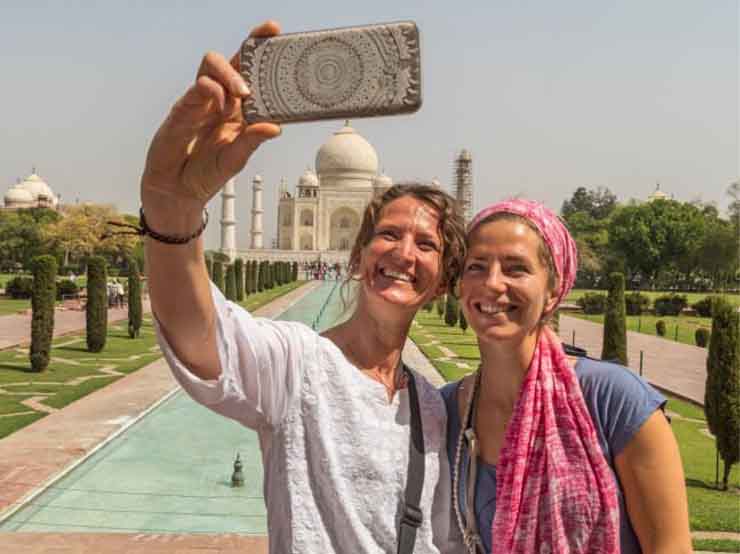
Social media platforms later changed everything again. Today, millions of travelers share their Taj Mahal photos on Instagram, Pinterest, and travel blogs. Popular photography spots like the reflecting pool, royal gate, and Mehtab Bagh have become iconic photo locations for visitors from around the globe.
Capture Your Own Taj Mahal Memories
Whether you are a professional photographer or simply visiting with a smartphone, the Taj Mahal offers unforgettable photo opportunities at every hour of the day. Planning your visit in advance can help you experience the monument during the best lighting conditions and avoid heavy crowds.
Book your Taj Mahal tickets easily through Tickets Taj Mahal and get ready to capture one of the world’s most iconic monuments through your own lens.





Comment (0)