


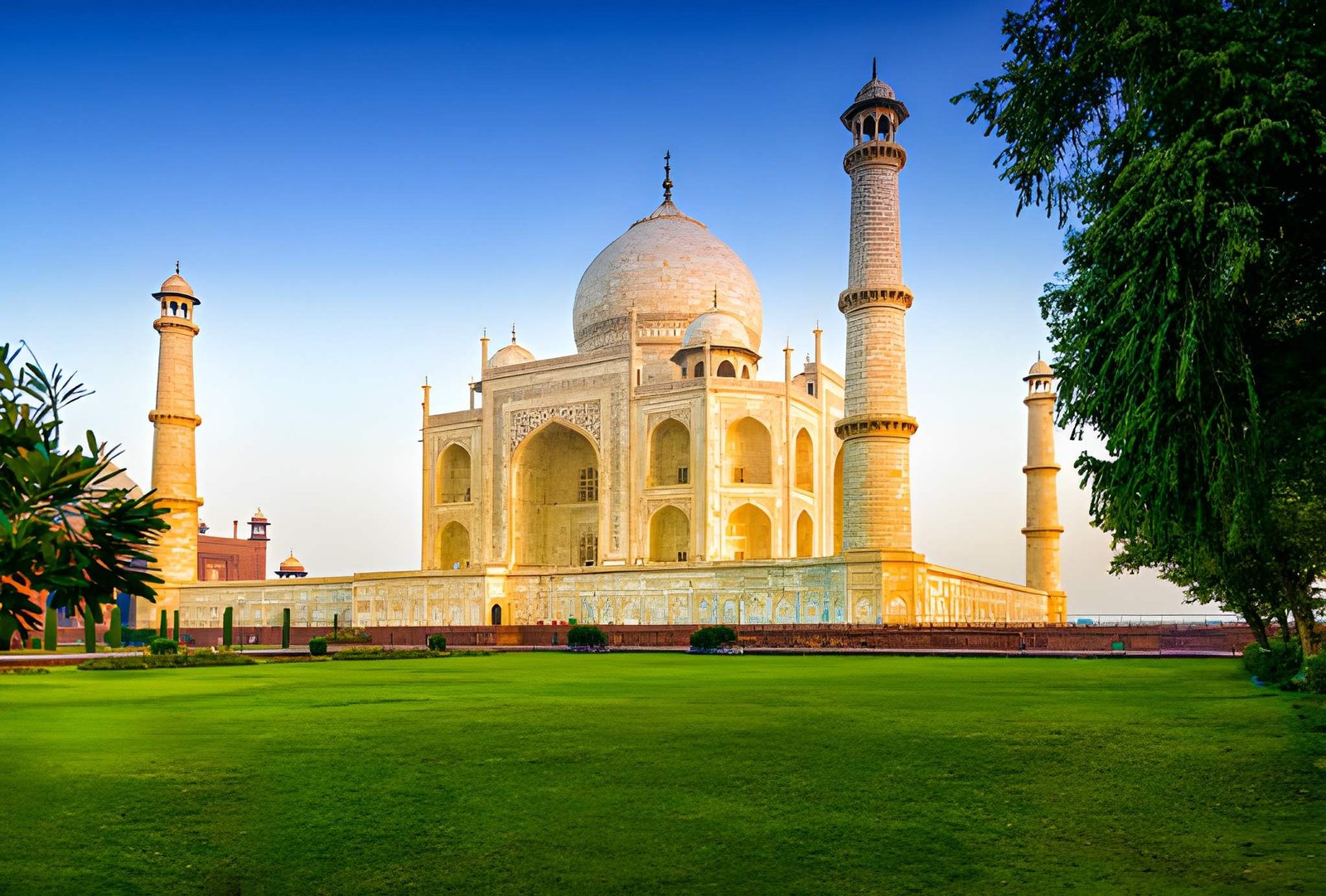
The Taj Mahal has inspired countless interpretations across centuries. Whether viewed as a symbol of eternal love, a masterpiece of architecture, or a reflection of history, its meaning shifts depending on who is observing it—and how they choose to express it.
A Monument to Love
The most common interpretation of the Taj Mahal is as a symbol of love. Built by Emperor Shah Jahan in memory of his wife Mumtaz Mahal, it is often described in words that evoke romance, devotion, and longing. Writers frequently use soft, emotional language—calling it a “marble poem” or a “tear frozen in time”—to capture the depth of feeling behind its creation.
A Masterpiece of Architecture
From an architectural perspective, the Taj Mahal is a marvel of symmetry, precision, and design. Descriptions often focus on its intricate carvings, the interplay of light on white marble, and the harmony of its proportions. Writers who lean toward this interpretation use detailed and technical language, highlighting craftsmanship, geometry, and artistic brilliance.
A Reflection of Changing Light
One of the most fascinating ways to describe the Taj Mahal is through its changing appearance throughout the day. At sunrise, it glows with a soft pink hue; by midday, it shines bright white; and under moonlight, it appears almost ethereal. Many writers interpret it as a living monument—constantly shifting, never the same twice. This lends itself to poetic and descriptive language that captures mood and atmosphere.
A Cultural and Historical Symbol
Beyond romance and beauty, the Taj Mahal also represents a significant chapter in history. It reflects the grandeur of the Mughal Empire and the cultural influences that shaped India’s past. Writers exploring this angle often describe it as a testament to a bygone era, blending storytelling with historical insight.
A Personal Experience
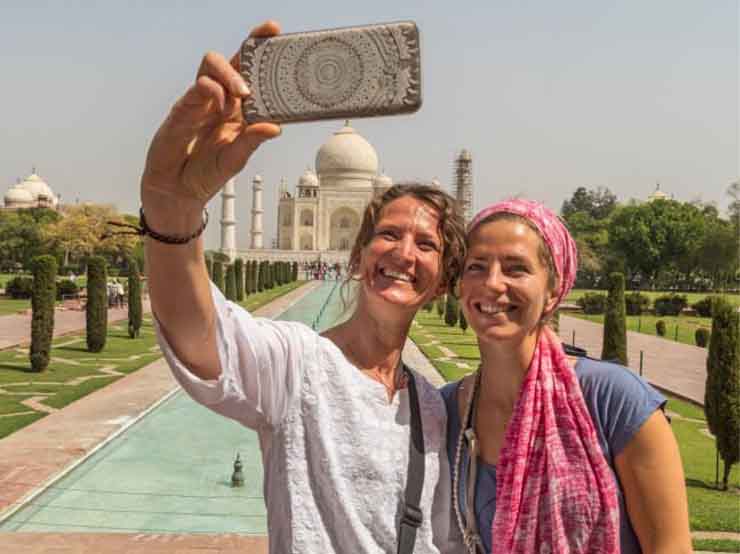
Perhaps the most powerful interpretation comes from personal experience. For some, the Taj Mahal is overwhelming in its scale; for others, it is peaceful and meditative. Words used to describe it can vary widely depending on individual perspective—ranging from awe and wonder to introspection and calm.
Capture Your Own Interpretation
No matter how it is described, the Taj Mahal continues to inspire unique expressions in words. Its beauty lies not just in its physical form, but in the countless meanings people attach to it.
If you’re ready to experience it for yourself and create your own interpretation, visit https://ticketstajmahal.com to book your tickets and begin your journey.





Comment (0)