


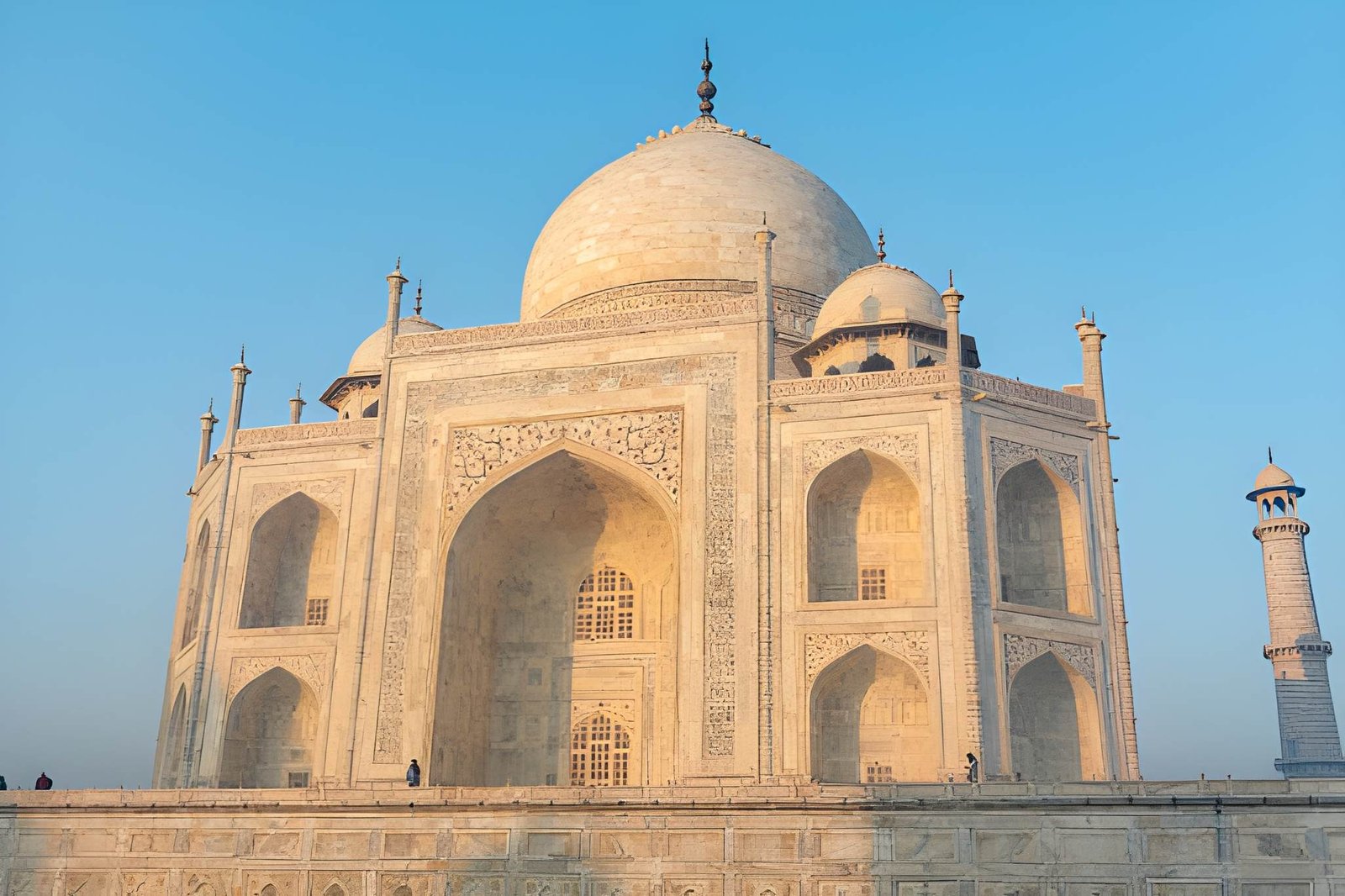
The Taj Mahal is far more than a beautiful monument. It is a universal symbol of love, artistic brilliance, and cultural heritage that continues to inspire millions around the world. Located in Agra, this iconic masterpiece attracts travelers, historians, architects, and photographers from every corner of the globe.
Built by Mughal Emperor Shah Jahan in memory of his beloved wife Mumtaz Mahal, the Taj Mahal represents eternal love and devotion. Construction began in 1632 and was completed in 1653, creating one of the greatest architectural achievements in history.
A Masterpiece of Architecture
The Taj Mahal is celebrated for its perfect symmetry, white marble beauty, and intricate craftsmanship. Combining Persian, Islamic, and Indian architectural styles, the monument stands as a remarkable example of Mughal architecture. Its floral carvings, marble inlay work, and grand dome create a timeless visual experience that changes color throughout the day with the sunlight.
UNESCO recognized the Taj Mahal as a World Heritage Site in 1983, calling it “one of the universally admired masterpieces of the world’s heritage.”
A Symbol of Love Across Cultures
What makes the Taj Mahal truly global is its emotional connection with people everywhere. Regardless of nationality, language, or religion, visitors see the monument as a symbol of eternal love and human creativity. Movies, books, artworks, and travel photography have helped turn the Taj Mahal into one of the most recognized landmarks in the world.
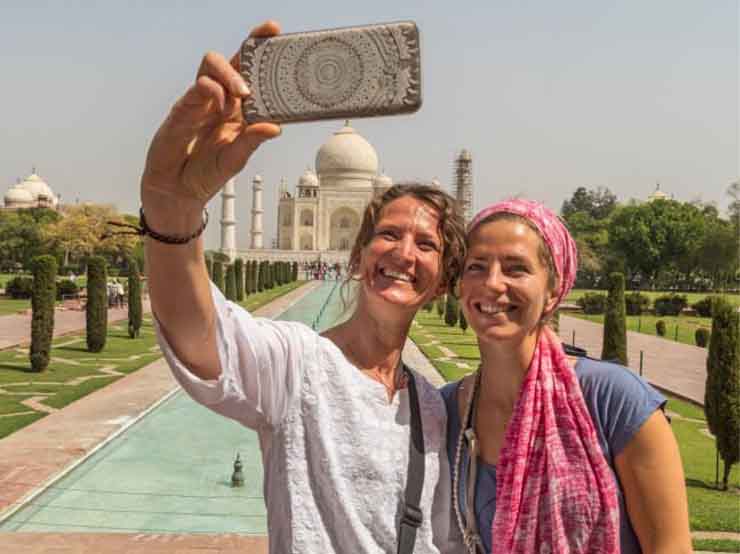
For many travelers, visiting the Taj Mahal is not just sightseeing — it is a meaningful cultural experience. Watching the sunrise over the marble structure or walking through its peaceful gardens leaves a lasting memory for visitors of all ages.
Preserving Cultural Heritage
The Taj Mahal also represents the importance of preserving cultural heritage for future generations. Skilled artisans continue traditional marble inlay techniques in Agra, keeping centuries-old craftsmanship alive. UNESCO and conservation organizations work continuously to protect the monument from environmental damage and heavy tourism.
Today, the Taj Mahal remains one of the New Seven Wonders of the World and one of India’s most visited attractions. Its influence extends beyond tourism, serving as a global reminder of history, beauty, and artistic excellence.
Plan Your Taj Mahal Visit
A visit to the Taj Mahal is an unforgettable journey into history, culture, and architecture. To avoid long queues and enjoy a smooth experience, book your tickets online in advance through Tickets Taj Mahal.





Comment (0)