


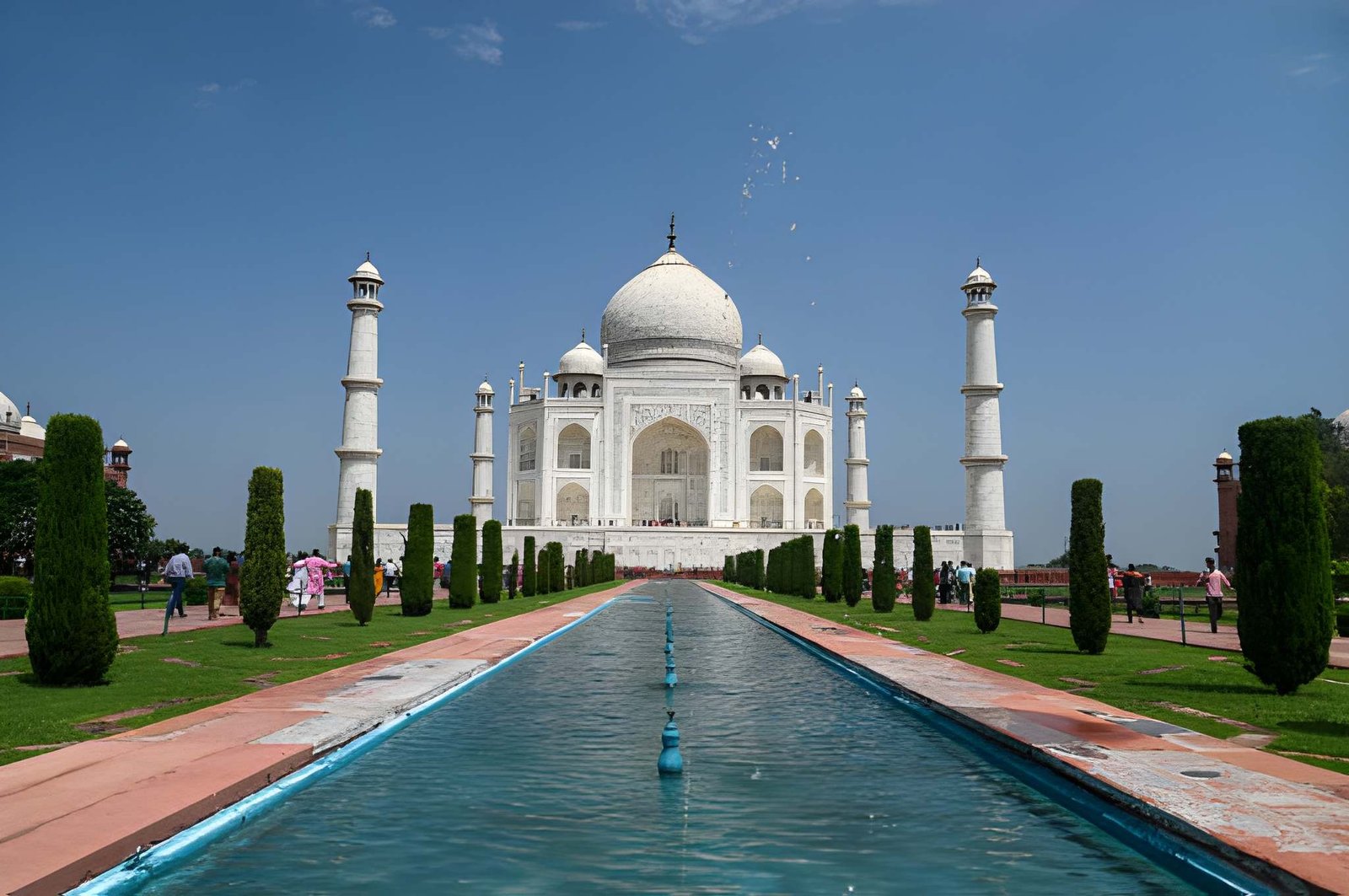
Visiting the Taj Mahal is a dream for travelers worldwide. But choosing the right season can completely shape your experience. From weather and crowds to photography opportunities and ticket availability, understanding the difference between peak and off-peak seasons helps you plan the perfect trip.
Peak Season at the Taj Mahal (October to March)
The peak tourist season runs from October to March, when the weather in Agra is cooler and more comfortable. Temperatures generally range between 15°C and 27°C, making it ideal for sightseeing and photography.
Why Visit During Peak Season?
- Pleasant weather for walking around the monument
- Clear skies for stunning sunrise and sunset photos
- Great time to explore nearby attractions in Agra
- Comfortable temperatures compared to summer heat
November and February are often considered the best months for a balanced experience with good weather and slightly fewer crowds.
Challenges of Peak Season
The popularity of the Taj Mahal during winter means large crowds, especially during holidays, weekends, and festivals. Daily visitor numbers can become very high, leading to longer queues and busier photo spots.
December and January may also bring morning fog, which can affect sunrise views and visibility.
If you travel during peak season:
- Arrive early at sunrise
- Visit on weekdays
- Book tickets online in advance
Off-Peak Season at the Taj Mahal (April to September)
The off-peak season includes the hot summer months and monsoon period. Temperatures from April to June can exceed 40°C, while July to September brings rain and humidity.
Why Some Travelers Prefer Off-Peak Visits
Despite the heat, off-peak travel has several advantages:
- Fewer tourists and quieter surroundings
- Easier access to popular photo spots
- Lower hotel and travel costs
- Shorter waiting times at entrances
For travelers who prioritize peaceful exploration and budget-friendly travel, the off-season can be surprisingly rewarding.
Challenges of the Off-Peak Season
Summer afternoons can be extremely hot and physically exhausting. Monsoon rains may also affect visibility and outdoor sightseeing plans.
To enjoy an off-peak visit comfortably:
- Visit early in the morning
- Carry water and sun protection
- Avoid afternoon hours in summer
Which Season Is Better?
The best season depends on your travel priorities.
| Peak Season | Off-Peak Season |
|---|---|
| Best weather | Smaller crowds |
| Ideal for photography | Lower travel costs |
| Comfortable sightseeing | Faster entry |
| Busy and crowded | Hot and humid |
If you want pleasant weather and iconic views, peak season is the best choice. If you prefer quieter experiences and affordable travel, the off-peak season offers excellent value.
Final Travel Tip
No matter when you visit, booking your Taj Mahal tickets in advance saves time and helps avoid unnecessary stress. For easy online booking and travel planning, visit Tickets Taj Mahal and secure your entry before your trip





Comment (0)