


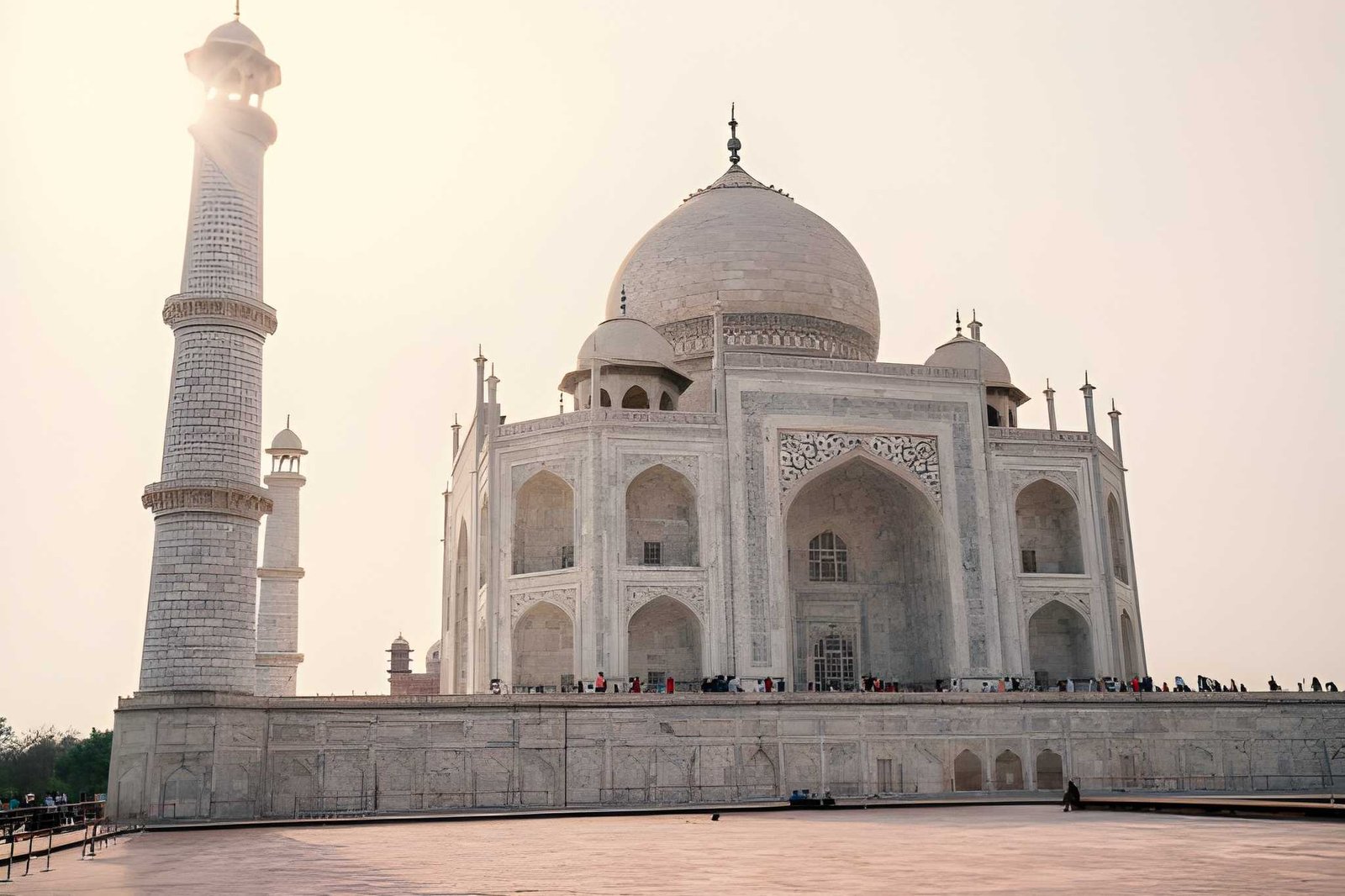
A Universal Symbol of Love and Memory
The Taj Mahal stands as one of the most recognized monuments in the world, often described as the ultimate symbol of eternal love. Commissioned in 1632 by Emperor Shah Jahan in memory of his wife Mumtaz Mahal, it represents both personal grief and artistic brilliance.
Across cultures, poets, historians, and travelers have portrayed the Taj Mahal as more than a mausoleum—it is an emotional narrative carved in white marble. Its story resonates universally because it reflects a deeply human experience: love, loss, and remembrance.
Architectural Poetry in Global Literature
Writers from around the world have often described the Taj Mahal as “poetry in stone.” Its harmonious design blends Indian, Persian, and Islamic architectural traditions, making it a global masterpiece.
The monument’s symmetry, reflective pools, and intricate inlay work have inspired countless travel accounts and literary descriptions. Many describe how its marble changes color throughout the day—pink at sunrise, white at noon, and golden at sunset—adding a dynamic, almost living quality to its presence.
In global narratives, this shifting appearance often symbolizes the changing nature of love and time.
Cultural Interpretations Across the World
Different cultures interpret the Taj Mahal through their own lenses. In Western narratives, it is frequently romanticized as the ultimate love story. In South Asian contexts, it is also viewed as a masterpiece of Mughal architecture and imperial ambition.
Some modern discussions even explore deeper symbolic meanings—such as its representation of paradise, reflected in its garden layout and Quranic inscriptions. These layered interpretations show how the Taj Mahal continues to evolve in meaning across generations.
Myths, Legends, and Storytelling
Like many iconic landmarks, the Taj Mahal is surrounded by myths and legends. Stories about its construction, artisans, and hidden chambers have circulated globally, blending history with folklore.
While historians rely on documented facts, these narratives contribute to the monument’s mystique. They highlight how the Taj Mahal exists not only as a physical structure but also as a powerful story passed down through cultures.
A Living Global Icon
Today, the Taj Mahal remains a UNESCO World Heritage Site and one of the most visited landmarks in the world. It continues to inspire artists, filmmakers, and travelers, reinforcing its place in global imagination.
Whether seen as a symbol of love, a feat of engineering, or a cultural treasure, the Taj Mahal’s narrative transcends borders and time.
Plan Your Visit
Experience this timeless wonder for yourself. Visit https://ticketstajmahal.com to book your tickets and explore the beauty and history of the Taj Mahal up close.





Comment (0)