


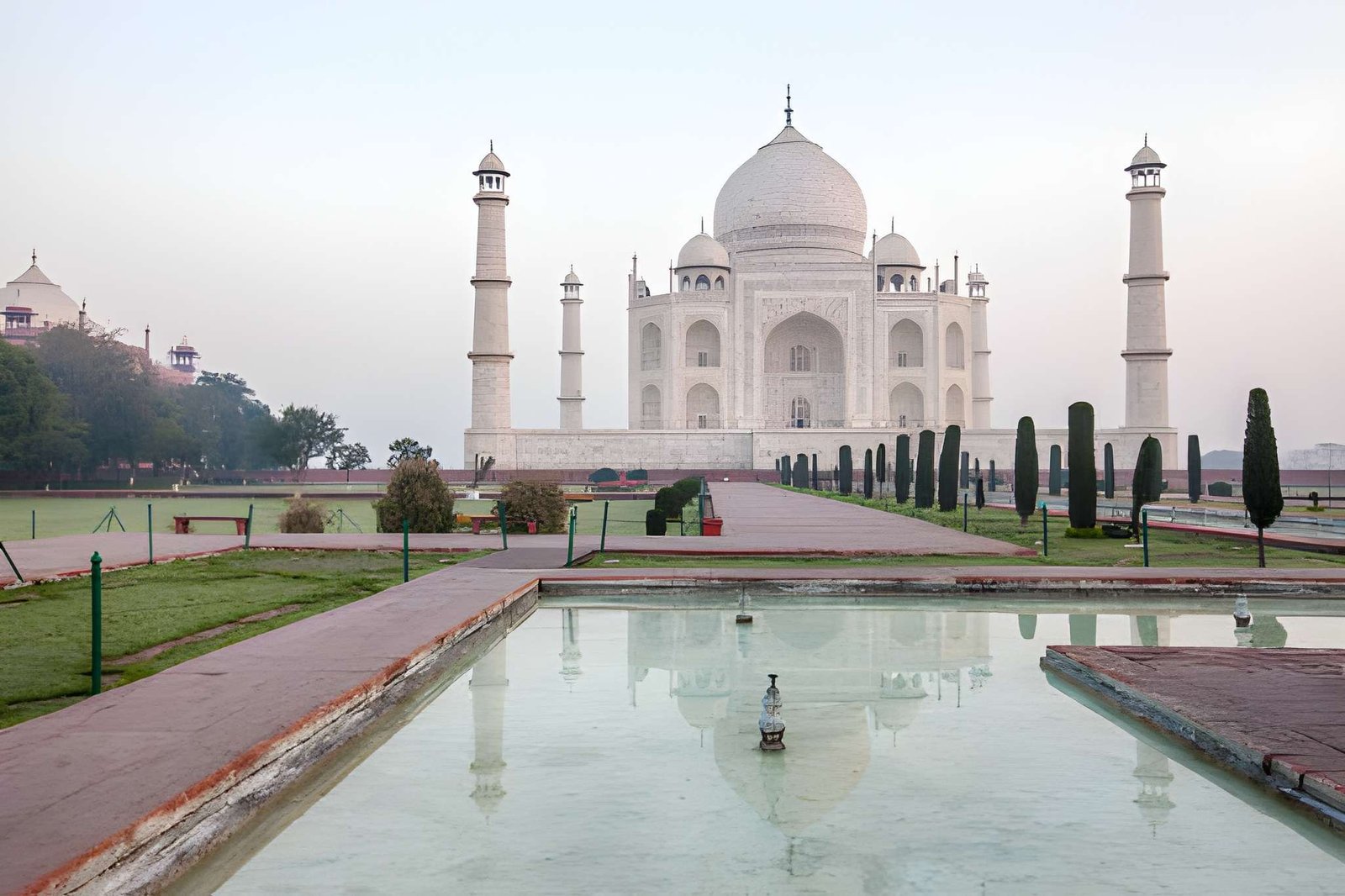
The Taj Mahal is more than a monument of love—it is one of the world’s greatest artistic inspirations. Built in the 17th century by Mughal Emperor Shah Jahan, this architectural masterpiece continues to influence painters, musicians, filmmakers, writers, and designers across the globe. Its perfect symmetry, white marble beauty, and emotional history have made it a timeless cultural icon.
Influence on Visual Arts
For centuries, artists have used the Taj Mahal as a symbol of beauty and romance. Its elegant domes, floral carvings, and marble inlay work inspired traditional Mughal paintings and modern artworks alike. Many photographers and painters are drawn to the monument because of how its color changes throughout the day—from soft pink in the morning to golden hues at sunset.
The monument’s famous “Parchin Kari” marble inlay technique also continues to inspire artisans and designers. Decorative patterns inspired by the Taj Mahal can be found in jewelry, fashion, home décor, and luxury architecture worldwide.
The Taj Mahal in Music
Musicians across different cultures have celebrated the Taj Mahal through songs, poetry, and classical compositions. In Indian classical music, the monument often symbolizes eternal love and devotion. Bollywood music videos frequently feature the Taj Mahal as a romantic backdrop, helping it become a globally recognized symbol of affection.
Its peaceful atmosphere and majestic architecture have also inspired instrumental compositions and fusion music projects that blend Indian and international sounds. The emotional story behind the monument continues to resonate with audiences around the world.
Impact on Film and Entertainment
The Taj Mahal has appeared in countless movies, television shows, documentaries, and travel programs. Bollywood films often use the monument to create scenes of romance and grandeur, while international filmmakers showcase it as one of India’s most iconic landmarks.
In literature and entertainment, the Taj Mahal is often portrayed as the ultimate symbol of everlasting love. Writers, filmmakers, and storytellers use its history to add emotion, elegance, and historical depth to their work. Its global recognition has also made it a popular subject in video games, digital art, and virtual travel experiences.
A Global Cultural Icon
The Taj Mahal’s influence extends far beyond India. Architects around the world admire its balance, symmetry, and artistic craftsmanship. UNESCO recognizes it as one of the finest examples of Indo-Islamic architecture and a masterpiece of world heritage.
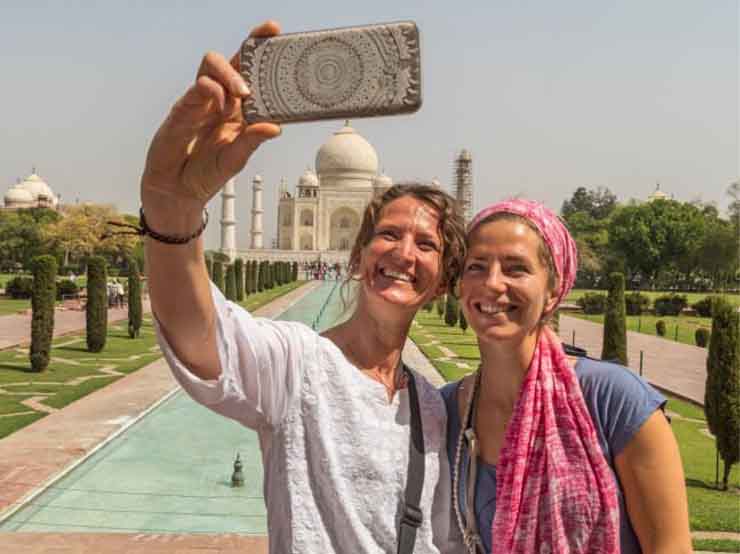
Today, millions of travelers visit the monument every year to experience its beauty firsthand. Whether inspiring artists, musicians, or filmmakers, the Taj Mahal continues to connect people through creativity and emotion.
If you’re planning to experience this world wonder in person, visit Tickets Taj Mahal to book your tickets and explore the timeless beauty of the Taj Mahal.





Comment (0)