


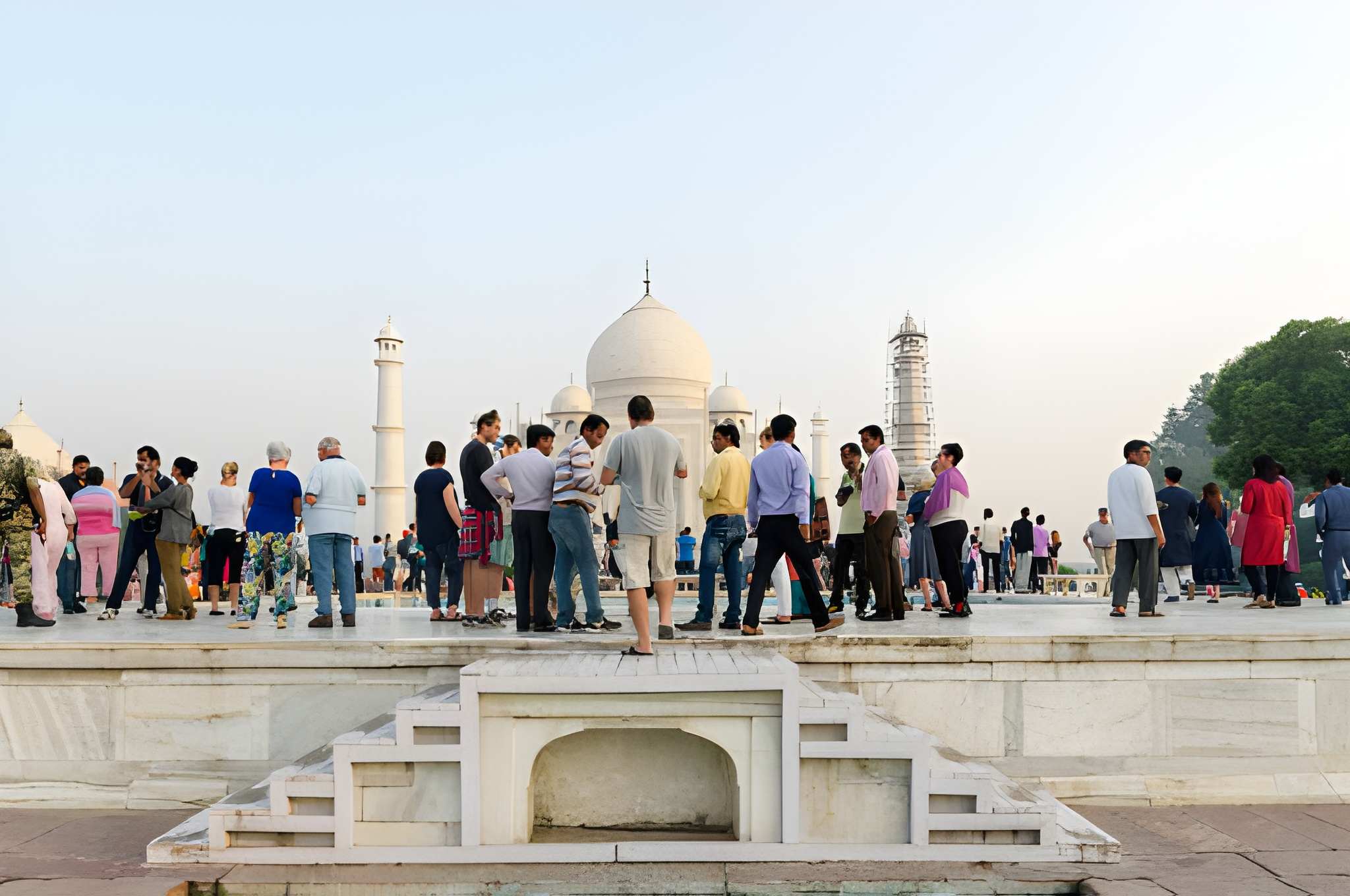
The Taj Mahal is more than a monument; for Indians, it is a symbol of history, craftsmanship, and national pride. Welcoming millions of visitors every year—from across India and around the world—comes with both honor and responsibility. To protect this UNESCO World Heritage Site and manage the enormous footfall, several tourist barriers have been introduced. While these measures are often misunderstood, many are essential for preservation and safety.
Why Barriers Exist
The Taj Mahal faces constant pressure from pollution, overcrowding, and environmental wear. Marble discoloration caused by industrial emissions and vehicular pollution has long been a concern. As a result, authorities have implemented restricted vehicle zones around the monument and promoted electric transport within the Taj Trapezium Zone. From an Indian perspective, these steps are necessary sacrifices to ensure the Taj survives for future generations.
Crowd control is another major factor. On peak days, tens of thousands of visitors enter the complex. Timed entry slots, capped daily tickets, and separate queues for domestic and international tourists may feel inconvenient, but they reduce congestion and help maintain a respectful atmosphere inside the mausoleum.
Ticketing and Access Challenges
One of the most common frustrations for tourists—especially first-time visitors—is navigating the ticketing system. Long queues, confusion about entry gates, and uncertainty around sunrise or sunset visits can create unnecessary stress. Language barriers and lack of clear signage sometimes add to the problem.
For Indian travelers, there is also sensitivity around pricing differences between domestic and foreign tourists. While this differential supports maintenance costs and local tourism infrastructure, it can be misinterpreted. Transparency and easy access to accurate information go a long way in reducing misunderstandings.
Security and Regulations
Security checks at the Taj Mahal are understandably strict. Prohibited items include food, large bags, tripods, drones, and certain electronics. Though these rules may seem excessive to some visitors, they are designed to protect both people and the monument. From an Indian viewpoint, these measures reflect the monument’s national importance and the need for vigilance in crowded public spaces.
Making the Experience Smoother
Many of the challenges tourists face can be minimized with proper planning. Booking tickets in advance, choosing off-peak hours, and understanding entry rules before arrival can transform the visit from stressful to memorable.
To make this process easier, travelers are encouraged to book their entry tickets online through trusted platforms like ticketstajmahal.com. Advance booking helps avoid long queues, ensures preferred time slots, and allows visitors to focus on enjoying the beauty of the monument rather than logistics.
A Shared Responsibility
Preserving the Taj Mahal is a shared responsibility between authorities, locals, and visitors. While tourist barriers may feel restrictive at times, they play a crucial role in safeguarding one of India’s greatest treasures. With awareness, patience, and smart planning, visitors can fully appreciate the Taj Mahal—just as generations before them have, and generations after them should.






Comment (0)