


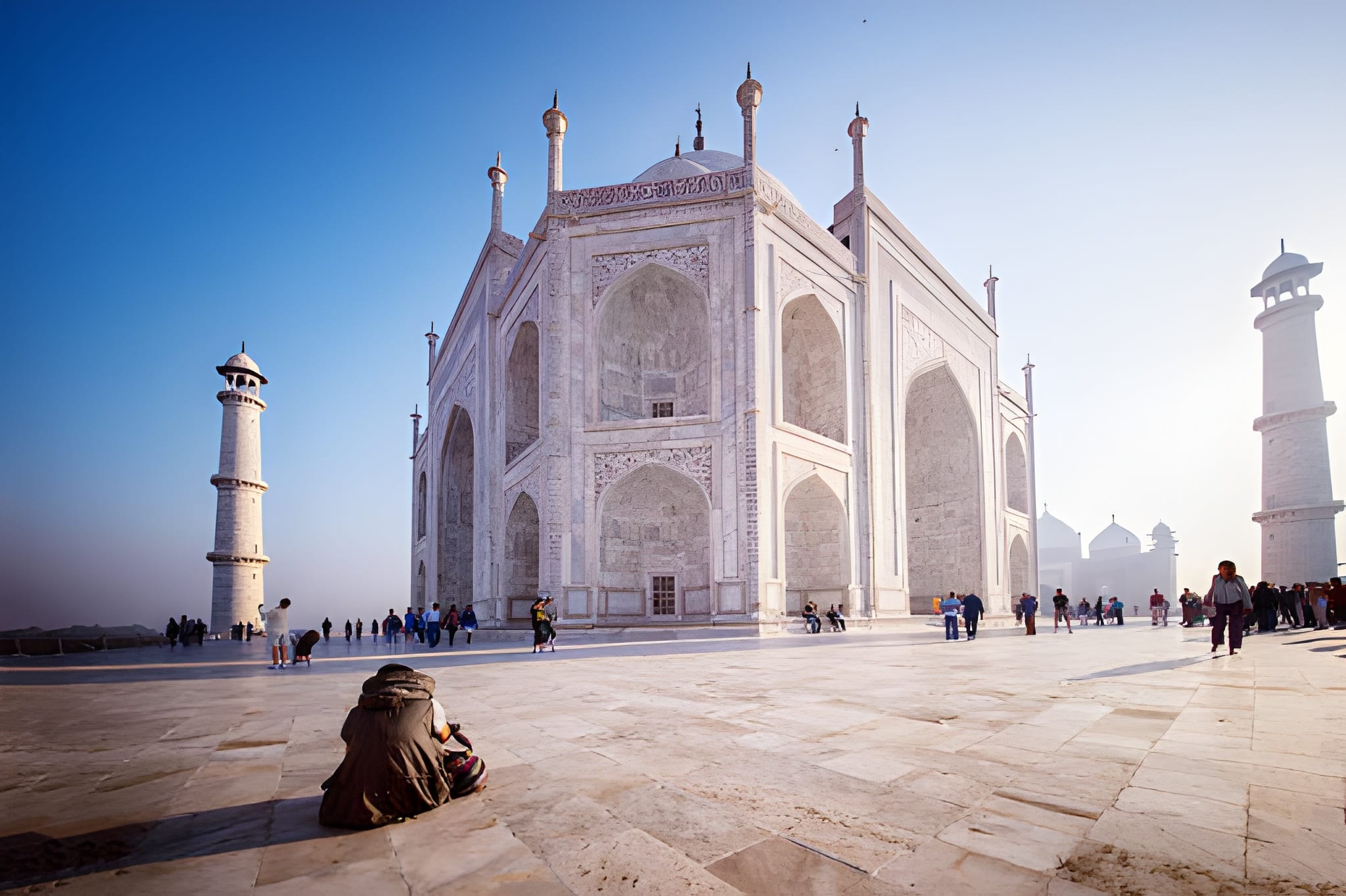
The Taj Mahal is admired worldwide for its breathtaking exterior and refined interior design. Among its many features, the two tiers of eight pishtaq arches along the inner walls stand out. These arches mirror the structure’s exterior, showing the balance and artistry of Mughal architecture.
The Pishtaq: A Defining Element of Mughal Design
A pishtaq is a rectangular frame around an arched opening, common in Persian and Mughal buildings. In the Taj Mahal, they are more than decoration. The repeating arches add rhythm, symmetry, and grandeur to the monument. By stacking two tiers, the architects linked the beauty of the exterior with the grace of the interior.
Interior Arches Reflect Exterior Grandeur
Stepping inside, visitors see two levels of eight pishtaq arches. This arrangement reflects the outer façade, creating visual harmony. The lower arches draw the eye upward, while the upper tier enhances the height of the space. Together, they produce a soaring effect that inspires awe.
Symbolism and Aesthetic Harmony
The repeated arches do more than please the eye. In Islamic design, geometric repetition often suggests infinity and divine order. The tiers of pishtaqs hint at eternity, echoing the love story behind the Taj Mahal. They frame not only space but also the atmosphere of peace within.
A Journey Through Art and History
Standing under these arches reveals the skill of 17th-century builders. Combined with calligraphy and inlay work, the pishtaqs turn the interior into a sanctuary of art. Visitors experience a union of devotion, craftsmanship, and beauty.
Plan Your Visit to Experience the Taj Mahal’s Beauty
Seeing the two tiers of eight pishtaq arches in person is unforgettable. Photos capture only part of their elegance. The real wonder is walking beneath them and feeling the harmony they bring to the space.
Book your tickets easily at Ticketstajmahal.com and step into history. Let the arches, domes, and details of the Taj Mahal inspire you with timeless beauty.






Comment (0)