


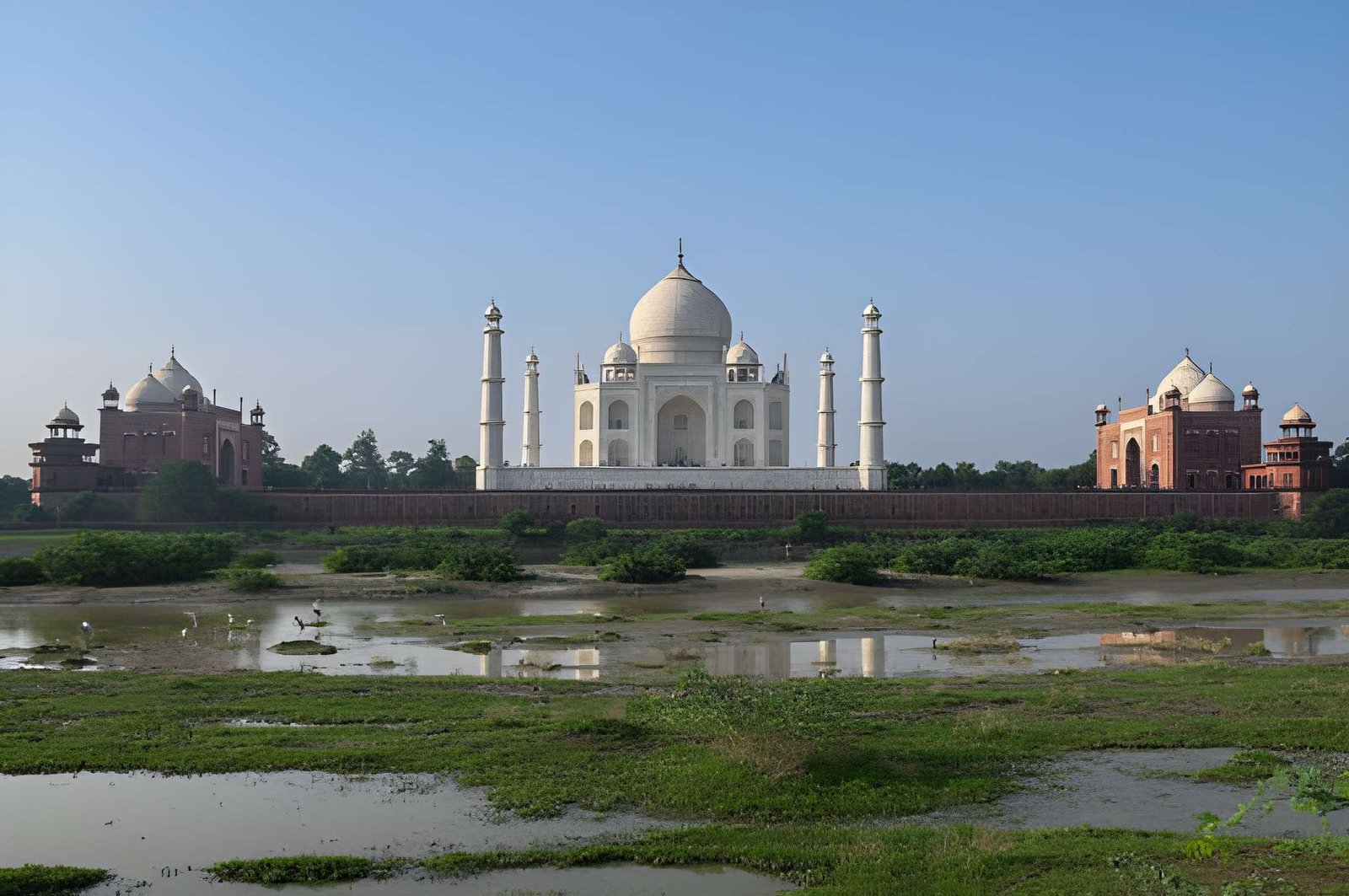
The first time you see the Taj Mahal, it feels almost unreal. The white marble, the symmetry, the silence before the crowds arrive — it’s unforgettable. But something surprising happens when you return: the Taj Mahal changes, even though the monument itself remains the same.
Every revisit offers a different experience shaped by light, weather, emotions, and perspective.
The Light Changes Everything
The Taj Mahal is famous for reflecting different shades throughout the day. At sunrise, the marble glows with soft pink and golden tones. By afternoon, it becomes bright white, while sunset adds warm amber hues.
Visitors who return at a different hour often feel like they are seeing a completely new monument. Many travelers say sunrise offers the calmest and most emotional atmosphere, while sunset feels more romantic and lively.
Crowds Shape the Experience
Your second visit may feel quieter — or busier — depending on when you go. Early morning visits are usually more peaceful, with fewer people and softer light for photography.
By mid-morning, the gardens and reflecting pools become crowded with tourists and photographers. Returning visitors often realize how much timing affects their connection with the monument.
Many experienced travelers now prefer arriving before sunrise to enjoy a slower and more reflective experience.
You Notice More Details
On your first trip, the Taj Mahal can feel overwhelming. Most visitors focus on taking photos and admiring the famous front view. But during a second or third visit, smaller details begin to stand out.
You may notice:
- The delicate marble inlay work
- Quranic calligraphy around the entrance
- Reflections in the water channels
- The changing sound of birds and footsteps
- The symmetry of the Mughal gardens
Returning travelers often spend less time rushing and more time observing.
Your Emotions Are Different
The Taj Mahal is not just architecture — it is emotion carved into marble. Your personal state of mind changes how you experience it.
Some revisit after years and feel nostalgia. Others arrive with family, a partner, or children, creating an entirely new memory. Even solo travelers describe the monument differently on each visit.
That emotional shift is one reason the Taj Mahal never feels exactly the same twice.
Seasons Transform the Monument
Weather also changes the atmosphere dramatically. Winter mornings can create misty, dreamlike views, while post-monsoon months bring clearer skies and lush gardens.
Some visitors return specifically to experience the Taj Mahal during another season because the monument’s mood changes so noticeably.
Every Visit Tells a New Story
Revisiting the Taj Mahal is not about seeing the same monument again. It’s about discovering how your perspective changes over time.
The marble may stay timeless, but your experience never does.
If you are planning your next visit to the Taj Mahal, book your tickets in advance and explore the monument at the perfect time with Tickets Taj Mahal.





Comment (0)