


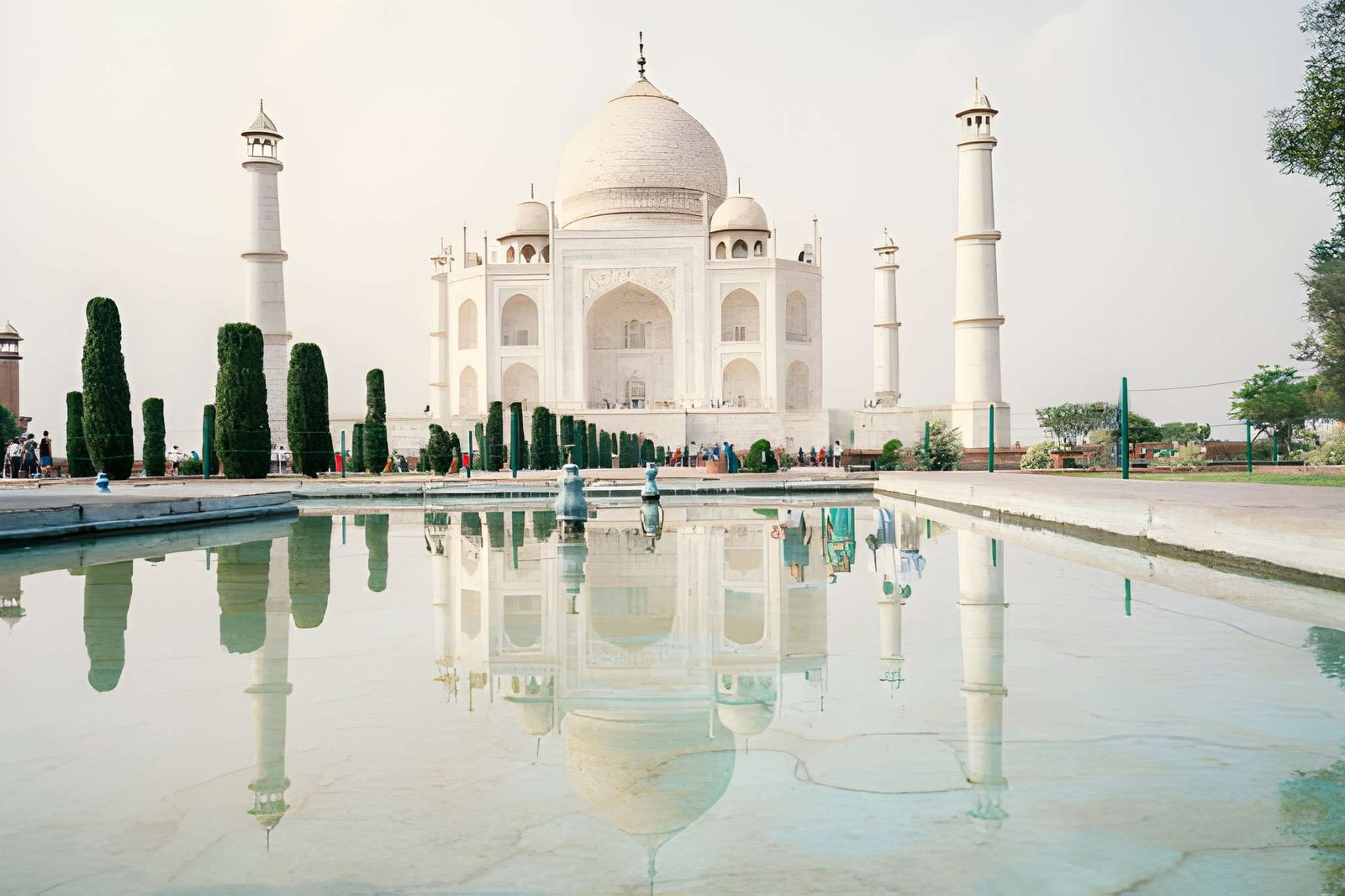
The Taj Mahal stands as more than a monument—it represents love, artistry, and history rooted in India. Imagine placing this iconic landmark in another country. How would people interpret its meaning, value, and appeal?
A Shift in Cultural Identity
The Taj Mahal draws its identity from Indian and Mughal heritage. Move it to a country like France, Egypt, or the United States, and it loses much of its cultural grounding. Designers blended Persian, Islamic, and Indian influences to create its architecture, and that mix reflects the region where it stands.
Another country might treat it as a global attraction, but visitors would miss the deeper connection to the Mughal Empire. The story of Shah Jahan building it for Mumtaz Mahal would still exist, yet the emotional impact could feel less powerful outside India.
Tourism and Global Appeal
Millions of travelers visit the Taj Mahal every year. Place it in a country like Italy or Japan, and easier access could increase visitor numbers.
Travelers don’t just visit the monument—they explore Agra, walk through local markets, and experience Indian culture. That full journey creates lasting memories. A different location might simplify travel, but it could reduce the sense of discovery that makes the visit special.
Architectural Perception
The Taj Mahal’s design interacts closely with its surroundings. Its white marble shines under India’s sunlight and reflects beautifully beside the Yamuna River. Move it to Switzerland, and snow could mute its contrast. Place it in Saudi Arabia, and the desert setting might change how people view its elegance.
Its creators designed every detail with its original environment in mind. A new setting would reshape how visitors experience its beauty.
Historical Significance
The Taj Mahal tells a story tied to India’s past. Relocating it would disconnect it from that history. Visitors might admire its design, but they would not feel the same connection to its origins.
Its role as a cultural and historical symbol depends on its place in India. Without that connection, it risks becoming just another famous structure rather than a living piece of history.
Would It Still Be the Taj Mahal?
The structure might remain the same, but its meaning would change. The Taj Mahal combines architecture, history, and location into a single experience. Remove one element, and the experience shifts.
Nothing replaces seeing it where it truly belongs.
Experience the Real Taj Mahal
Skip the “what if” and explore the real wonder in India. Plan your visit today and witness its beauty firsthand.
👉 Book your tickets now: https://ticketstajmahal.com





Comment (0)