


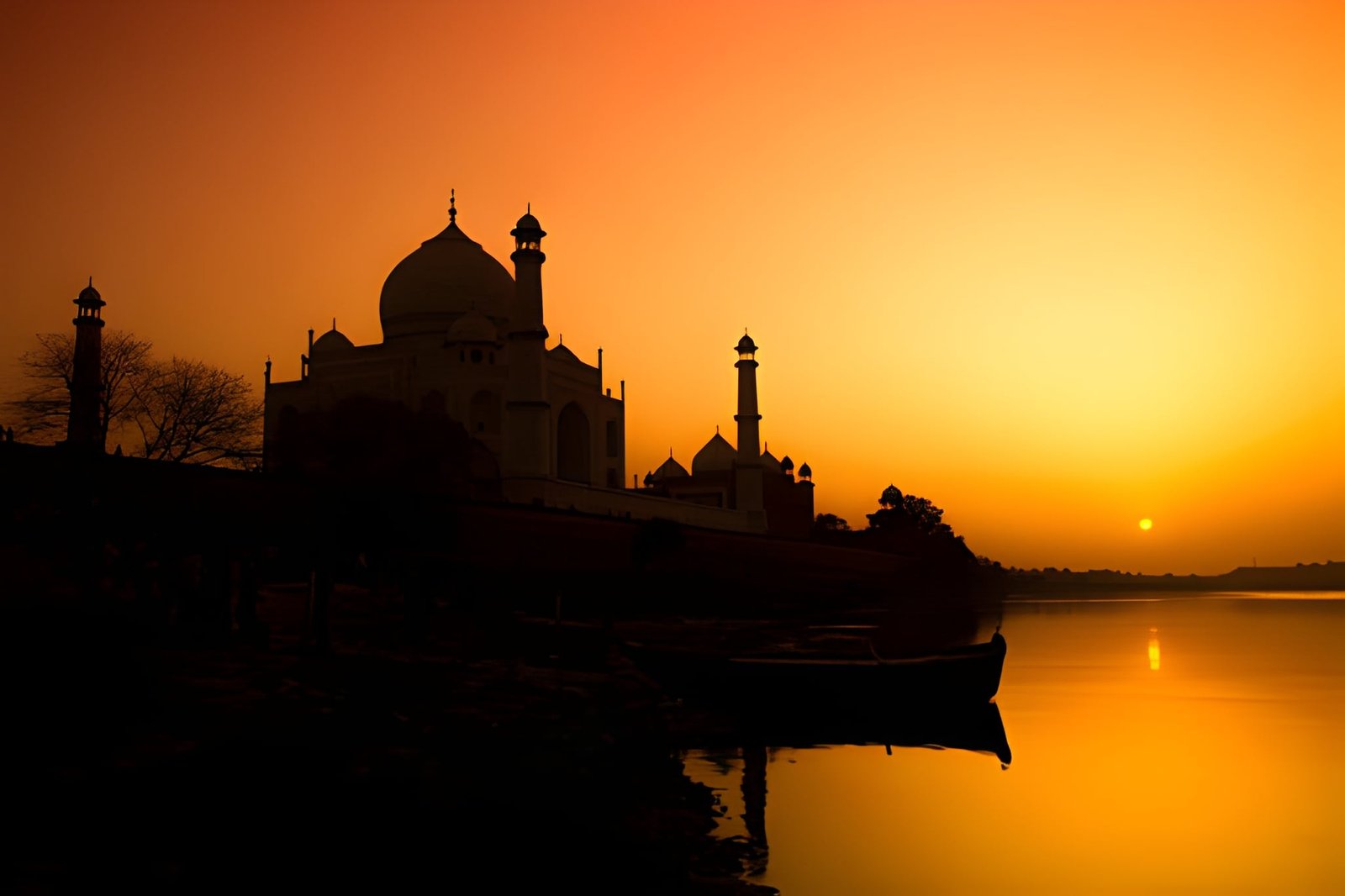
More than just a monument, the Taj Mahal is a story shaped by the words we use to describe it. Language influences how we interpret its meaning—whether as a symbol of love, a display of power, or a vision of paradise.
The Language of Love
Often described as a “symbol of eternal love,” the Taj Mahal carries a deeply emotional narrative. Mughal emperor Shah Jahan built it in memory of his wife Mumtaz Mahal, turning architecture into a tribute that resonates across cultures and generations.
Calling it a “love story in marble” reflects modern romantic ideals as much as historical reality. Through this language, the monument becomes relatable and timeless.
Words of Power and Prestige
Beyond romance, the Taj Mahal also communicates authority and grandeur. Historians frequently highlight its scale, symmetry, and intricate craftsmanship as signs of imperial strength.
The name “Taj Mahal,” meaning “Crown Palace,” reinforces this sense of prestige. In this way, the monument represents not only devotion but also the might of an empire at its peak.
The Vocabulary of Paradise
Descriptions of the Taj Mahal often include words like “heavenly,” “serene,” and “timeless.” These terms are not accidental—they echo the monument’s original design inspiration.
Its gardens and layout were intended to mirror the concept of paradise, creating a spiritual dimension that visitors still feel today. Language helps carry that vision forward, connecting past beliefs with present experiences.
Cultural Interpretations in Language
Different perspectives bring different meanings. Some visitors admire the Taj Mahal as an artistic masterpiece, while others see it as a political statement or a reflection of wealth.
Because of this, the words used to describe it vary widely. Each interpretation adds another layer to its identity, showing how language evolves alongside cultural understanding.
Why Language Matters
Perception is shaped by the words we choose. Viewing the Taj Mahal as a love story draws attention to emotion and intimacy. Seeing it as a symbol of power highlights its scale and precision. Interpreting it as paradise emphasizes peace and harmony.
In every case, language does more than describe—it guides experience.
Experience It Yourself
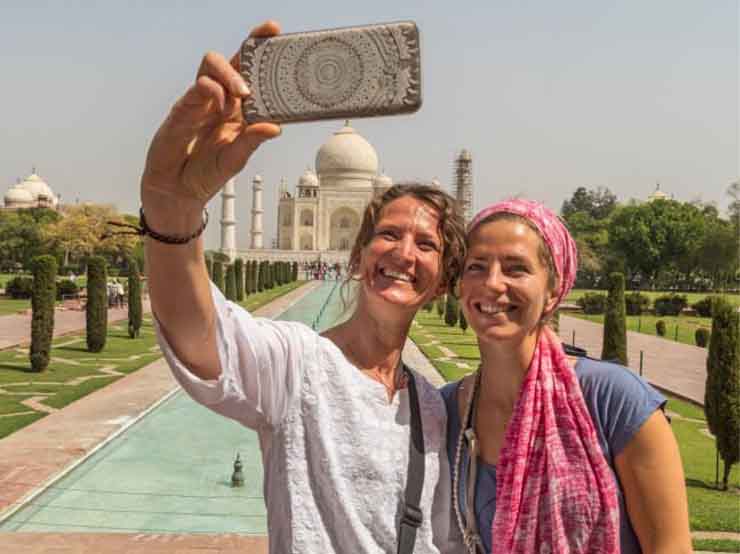
No set of words can fully capture the Taj Mahal’s beauty. Seeing it in person reveals details and emotions that language alone cannot convey.
Plan your visit and discover its meaning for yourself:
👉 https://ticketstajmahal.com
Every visitor brings their own perspective—and finds their own way of describing this timeless wonder.





Comment (0)