


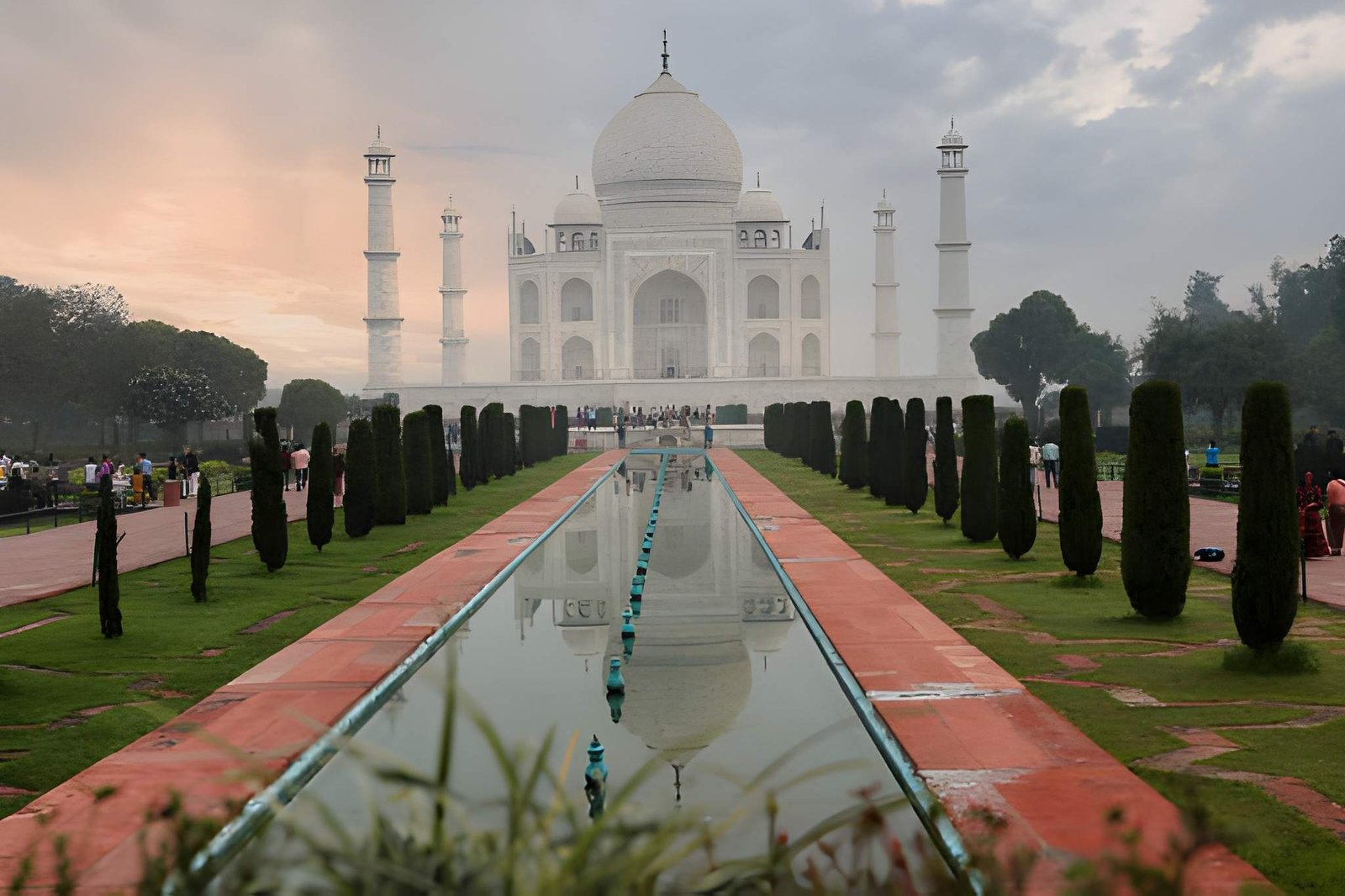
The Taj Mahal is more than a symbol of love—it is also a powerful example of how heritage tourism can align with sustainability. As one of the world’s most visited landmarks, its preservation depends on balancing tourism growth with environmental and cultural responsibility.
1. Strong Conservation and Environmental Protection
The Taj Mahal faces ongoing environmental challenges, particularly from air pollution and industrial activity. To address this, strict regulations have been introduced in the surrounding Taj Trapezium Zone (TTZ), limiting harmful emissions and monitoring air quality.
Efforts also include reducing pollution, restoring historic gardens, and maintaining the ecological balance around the monument. These initiatives ensure the marble structure remains protected for future generations while supporting sustainable tourism practices.
2. Sustainable Visitor Management
With millions of visitors each year, managing tourist flow is essential. Strategies such as limiting overcrowding, improving access routes, and encouraging advance ticket booking help reduce congestion and environmental stress.
Responsible visitor behavior is also encouraged through guidelines that promote cleanliness, respect for heritage, and reduced environmental impact. This ensures tourism does not degrade the site’s integrity.
3. Integration with Natural and Cultural Landscapes
The Taj Mahal is not just a monument—it is part of a larger cultural and ecological environment, including the Yamuna River and surrounding green spaces. Sustainable development plans focus on restoring riverfront areas, creating eco-friendly walking trails, and enhancing natural habitats.
Projects like nature parks and green buffer zones help preserve biodiversity while offering alternative, less crowded visitor experiences.
4. Community Engagement and Economic Benefits
Sustainable tourism at the Taj Mahal also supports local communities. Initiatives such as craft markets, cultural centers, and tourism-related employment create economic opportunities for residents.
By linking tourism with local livelihoods, the site ensures that economic benefits are shared while preserving traditional skills and cultural heritage.
5. Global Heritage and Long-Term Preservation
As a UNESCO World Heritage Site, the Taj Mahal represents global cultural value. Sustainable tourism here is about protecting not only a structure but also a shared human legacy. Heritage sites like the Taj Mahal demonstrate how preserving the past contributes to a sustainable future.
Long-term planning focuses on maintaining authenticity, preventing overdevelopment, and ensuring that tourism enhances rather than harms the site.
Plan Your Responsible Visit
Visiting the Taj Mahal responsibly contributes to its preservation. Booking tickets in advance helps manage crowds and supports organized tourism systems.
To make your visit seamless and sustainable, book your tickets online at https://ticketstajmahal.com and be part of preserving this iconic wonder for generations to come.






Comment (0)