


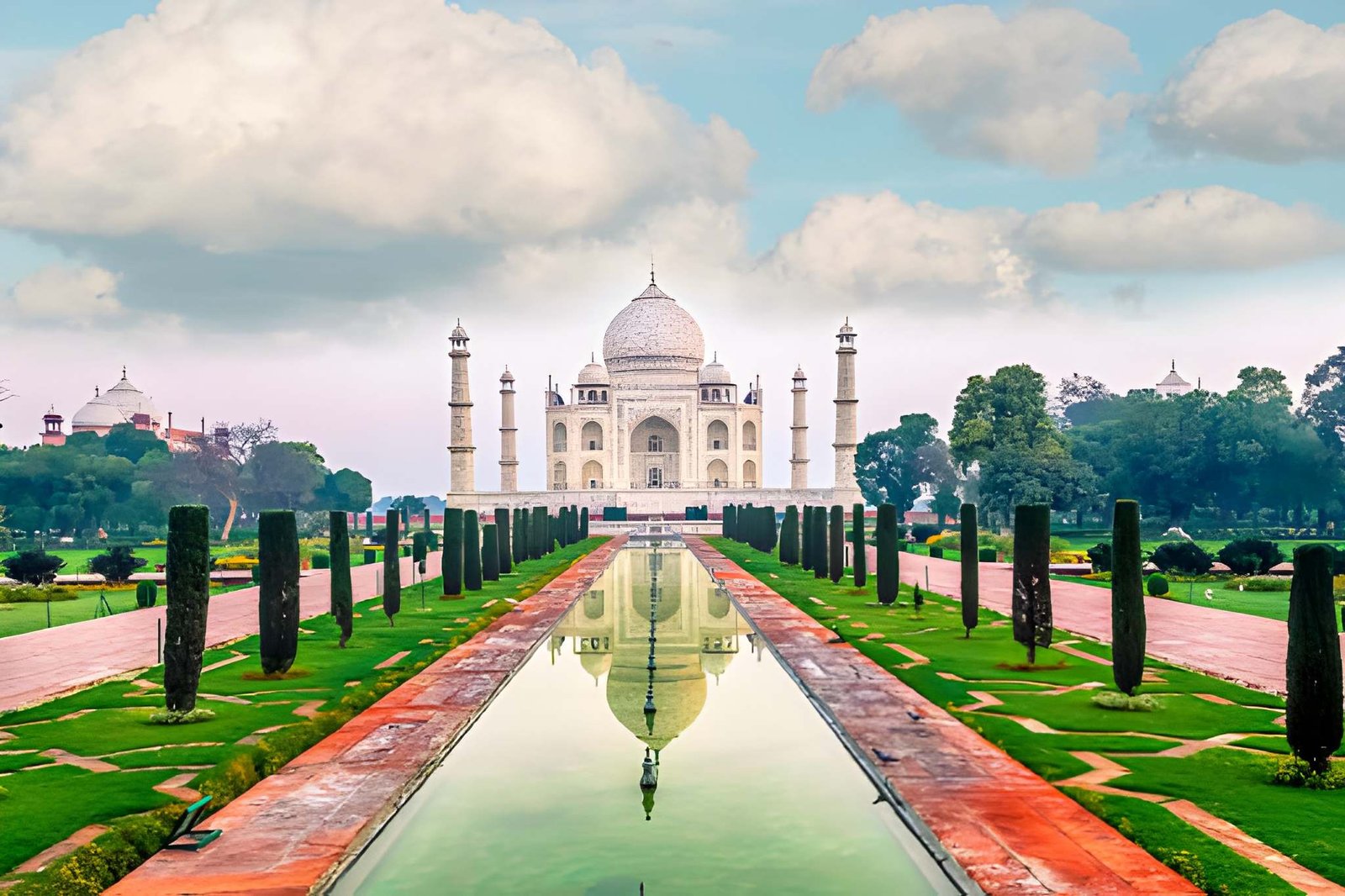
The Taj Mahal is often described as the ultimate symbol of love—but what most visitors see is only the surface. Behind its perfect white marble façade lies a fascinating mix of hidden details, myths, and lesser-known truths that rarely make it into guidebooks.
1. The “Perfect” Symmetry Isn’t Actually Perfect
The Taj Mahal is famous for its flawless symmetry, but there’s one intentional exception. The tomb of Emperor Shah Jahan was added later beside Mumtaz Mahal’s, slightly disrupting the balance. This subtle asymmetry is one of the only imperfections in an otherwise meticulously designed monument.
2. The Color Isn’t Always White
Most people imagine the Taj Mahal as bright white—but it actually changes color throughout the day. At sunrise, it appears pinkish; during the day, it looks dazzling white; and at night, it can glow golden or bluish. This effect comes from the translucent marble reflecting light differently depending on the time and atmosphere.
3. The Minarets Are Slightly Tilted on Purpose
Look closely, and you’ll notice the four minarets lean outward slightly. This wasn’t a mistake—it was a brilliant engineering decision. In case of an earthquake, they would fall away from the main tomb, protecting the central structure.
4. There Are Hidden and Sealed Chambers
Beneath the main structure are several chambers that remain closed to the public. These were originally designed as cool underground rooms (called tahkhanas) to cope with India’s intense heat. Over time, some were sealed to protect the monument after structural concerns and flooding.
5. Many Popular Stories Are Actually Myths
You may have heard dramatic tales—like the emperor cutting off the hands of the artisans so they could never recreate the Taj Mahal. In reality, historians have found no evidence to support this. Many craftsmen continued working on other major Mughal projects afterward.
Another famous legend is the “Black Taj Mahal,” supposedly planned across the river. Archaeological studies have shown this is just a myth, likely based on reflections and misinterpretations of ruins.
6. Pollution Is a Real Threat
While the Taj Mahal looks timeless, it’s actually under constant threat from pollution. Emissions from nearby industries and vehicles have caused discoloration of the marble, leading to strict environmental controls and ongoing restoration efforts.
7. There’s More Than Meets the Eye
Beyond its beauty, the Taj Mahal is filled with hidden layers—symbolism, engineering innovations, and architectural precision that most visitors never notice. From optical illusions in calligraphy to carefully planned gardens representing paradise, every detail has meaning.
Experience the Taj Mahal Beyond the Surface
The Taj Mahal is far more than a romantic monument—it’s a masterpiece of history, science, and storytelling. Knowing these hidden facts transforms a simple visit into a deeper, more meaningful experience.
Ready to explore it for yourself? Book your tickets easily and skip the hassle at:
👉 https://ticketstajmahal.com
Discover the Taj Mahal the way most travelers never do.






Comment (0)