


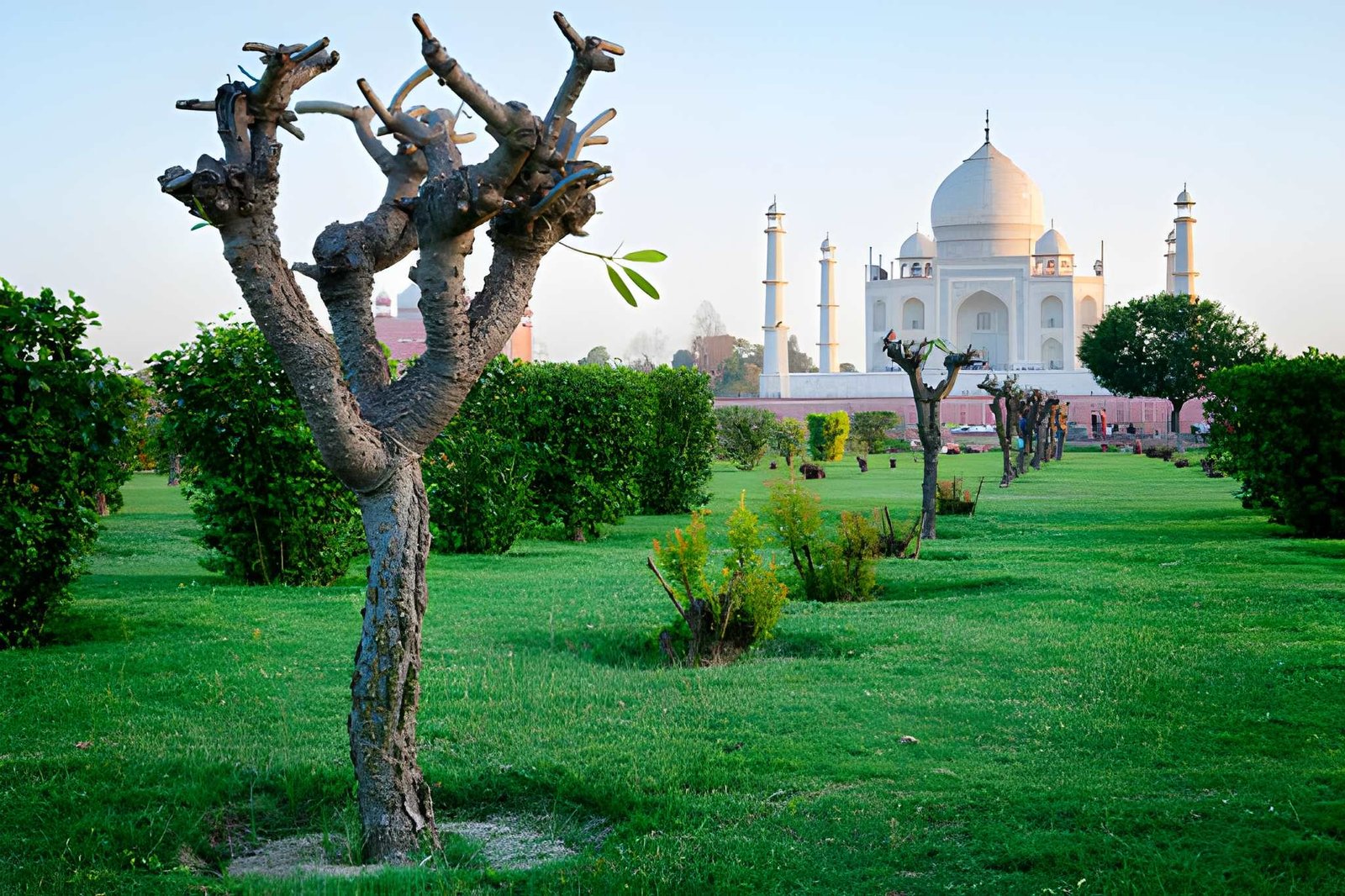
The Taj Mahal, one of the world’s most iconic monuments, was built in the 17th century as a symbol of eternal love. Commissioned by Emperor Shah Jahan, it took over 20 years and more than 20,000 artisans to complete this architectural masterpiece (). But what if this wonder were designed and constructed in the 21st century? Let’s imagine how modern technology, sustainability, and innovation could reshape it.
A Fusion of Tradition and Modern Architecture
If built today, the Taj Mahal would likely retain its iconic symmetry and grand dome, but with a contemporary twist. Modern architects might combine traditional Mughal design with minimalist or futuristic elements—perhaps integrating glass panels or steel frameworks while preserving its elegant geometry.
Instead of relying solely on handcrafted detailing, advanced 3D modeling and AI-assisted design would ensure even greater precision. While the original structure achieved near-perfect symmetry through manual craftsmanship, modern tools could replicate—and even enhance—this perfection.
Advanced Materials and Smart Construction
The original Taj Mahal was constructed using white marble, red sandstone, and precious stones sourced from across Asia (). Today, architects might use engineered marble, carbon-fiber reinforcements, or self-healing concrete to improve durability and reduce maintenance.
Construction would also be dramatically faster. What once took decades could now be completed in a few years using prefabrication, robotics, and cranes instead of elephants and manual labor.
Sustainable and Eco-Friendly Design
A modern Taj Mahal would almost certainly embrace sustainability. Solar panels could be seamlessly integrated into the structure, providing clean energy without disrupting its aesthetic. Rainwater harvesting systems and eco-friendly landscaping could replace traditional water features.
Green building techniques would ensure minimal environmental impact, addressing challenges that the current monument faces, such as pollution and structural wear over time.
Smart Technology Integration
Imagine visiting a modern Taj Mahal enhanced with digital experiences. Augmented reality (AR) could allow visitors to see historical reconstructions or learn about its creation in real time. Smart lighting systems could illuminate the monument at night, adjusting colors subtly—enhancing the natural glow that the original marble already reflects throughout the day.
Security and preservation would also benefit from sensors and AI monitoring systems, helping maintain the structure for generations.
A Global Symbol, Reimagined
While the materials and methods might change, the emotional essence of the Taj Mahal would remain the same. It would still stand as a symbol of love and artistic excellence—just expressed through the language of modern innovation.
In many ways, a modern Taj Mahal would not replace the original but complement it: a bridge between timeless beauty and future possibilities.
Experience the Real Taj Mahal
Nothing can truly replicate the magic of the original monument in Agra. Its craftsmanship, history, and atmosphere remain unmatched.
Plan your visit today and experience this wonder in person:
👉 https://ticketstajmahal.com
Book your tickets now and witness the timeless beauty of the Taj Mahal up close.





Comment (0)