


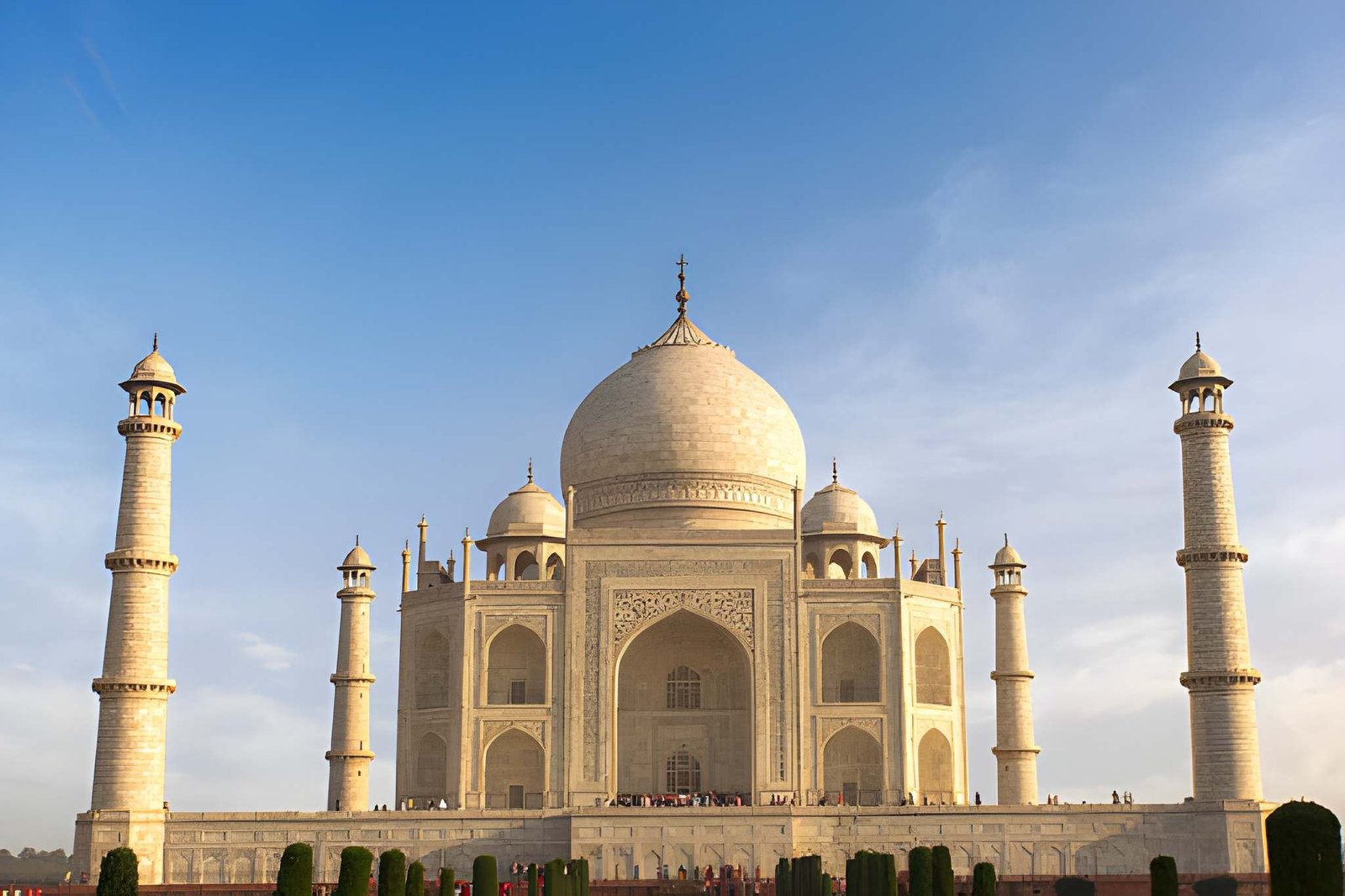
The Taj Mahal is one of the most admired monuments in the world, yet people often describe it in surprisingly different ways. Some call it a symbol of eternal love, others see it as an architectural masterpiece, and a few even view it through myths and legends. So why does one place inspire such varied perspectives?
A Monument with Deep Emotional Meaning
Built by Mughal emperor Shah Jahan in memory of his wife Mumtaz Mahal, the Taj Mahal is widely regarded as a symbol of love and devotion.
Because of this romantic origin, many visitors approach it emotionally. Some describe it as “timeless” or “heart-touching,” while others feel a sense of melancholy tied to its story. Personal emotions shape how each person experiences and describes the monument.
Changing Appearance Throughout the Day
One reason people describe the Taj Mahal differently is that it literally looks different depending on when you see it.
The white marble reflects light in unique ways—appearing pink at sunrise, bright white during the day, and golden or bluish under moonlight.
A visitor at dawn may call it “soft and romantic,” while someone visiting at noon might describe it as “grand and dazzling.” The same structure creates different impressions based on light and atmosphere.
Cultural and Personal Perspectives
Visitors from different cultures often interpret the Taj Mahal through their own backgrounds.
Historically, travelers from around the world have described it as “otherworldly” or even “like a cloud,” highlighting its dreamlike appearance.
For some, it represents India’s rich heritage; for others, it’s a masterpiece of Islamic architecture. Personal beliefs, expectations, and cultural influences all shape how people describe what they see.
Architecture That Speaks Differently to Everyone
The Taj Mahal is a masterpiece of Mughal architecture, combining symmetry, gardens, and intricate details into one unified design.
Architecture lovers may focus on its precision and craftsmanship, while casual visitors may simply admire its beauty. Some notice the symmetry and design, while others are captivated by the reflection in the water or the surrounding gardens.
Myths, Stories, and Interpretations
Over time, the Taj Mahal has become surrounded by myths and alternative interpretations. Some stories exaggerate its history, while others reinterpret its purpose.
These stories influence how people perceive the monument—adding mystery for some and confusion for others. As a result, descriptions can vary from factual to imaginative.
A Personal Experience for Every Visitor
Ultimately, the Taj Mahal is not just a monument—it’s an experience. With millions of visitors each year, no two perspectives are exactly the same.
Whether you see it as a symbol of love, a work of art, or a historical wonder, your experience will be unique.
Plan Your Visit
The best way to understand why people describe the Taj Mahal differently is to see it for yourself. Every visit offers a new perspective.
👉 Book your tickets easily and plan your journey today: https://ticketstajmahal.com






Comment (0)