


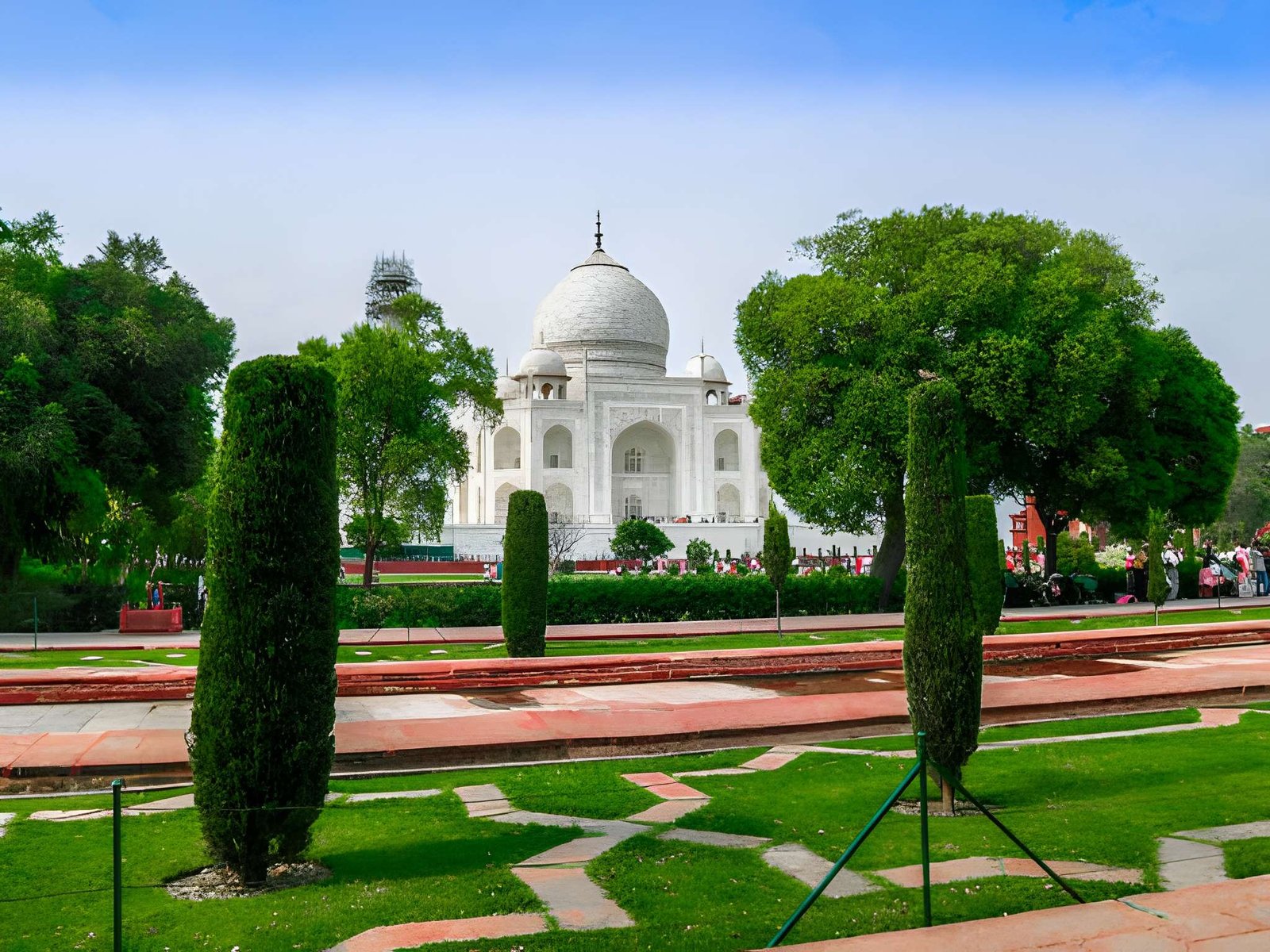
A Global Icon Driving Tourism Revenue
The Taj Mahal is not only a symbol of love and architectural brilliance but also one of India’s most powerful economic assets. It attracts millions of domestic and international visitors every year, making it one of the most visited monuments in the country. In recent years, it has consistently ranked as the highest-earning monument under the Archaeological Survey of India (ASI), generating nearly ₹98 crore in ticket revenue in a single financial year alone.
This steady inflow of visitors plays a crucial role in strengthening India’s tourism economy.
Major Contributor to Tourism-Based Income
Tourism is one of the fastest-growing sectors in India, contributing significantly to GDP and employment. The Taj Mahal alone draws millions of tourists annually, supporting hotels, transport services, guides, restaurants, and local artisans in Agra and surrounding regions.
The monument’s popularity ensures continuous economic activity in the region, with tourism spending spreading across multiple industries such as hospitality, handicrafts, and travel services.
Foreign Exchange and Global Branding Power
A large share of Taj Mahal visitors are international tourists, which brings valuable foreign exchange into India. This strengthens the country’s balance of payments and supports the broader economy.
Beyond direct revenue, the Taj Mahal also acts as a global branding tool. It positions India as a top cultural destination, encouraging repeat visits and boosting international tourism marketing. The monument is often featured in global travel campaigns, documentaries, and media, increasing India’s visibility worldwide.
Employment and Local Economic Growth
The Taj Mahal indirectly supports thousands of jobs. From licensed tour guides and hotel staff to transport operators and souvenir sellers, many livelihoods depend on tourism generated by the monument.
Additionally, local artisans benefit from demand for traditional handicrafts such as marble inlay work, leather goods, and textiles, helping preserve cultural industries while supporting incomes.
Government Revenue and Infrastructure Development
Ticket sales and tourism-related taxes from the Taj Mahal contribute to government revenue, which is reinvested into preservation and infrastructure. Funds are used for maintenance, security, cleanliness, and visitor facilities, ensuring the monument remains a world-class attraction.
Increased tourism also encourages infrastructure development in Agra, including better roads, transport systems, and hospitality services.
A Sustainable Cultural Economic Asset
The Taj Mahal is more than a historical site—it is a sustainable economic engine. Its UNESCO World Heritage status ensures continued global interest, while conservation efforts protect its long-term value.
By combining cultural heritage with economic opportunity, the Taj Mahal remains one of India’s strongest tourism-driven assets.
Plan Your Visit
Experience the beauty and economic significance of this world wonder firsthand.
Book your visit here: https://ticketstajmahal.com






Comment (0)