


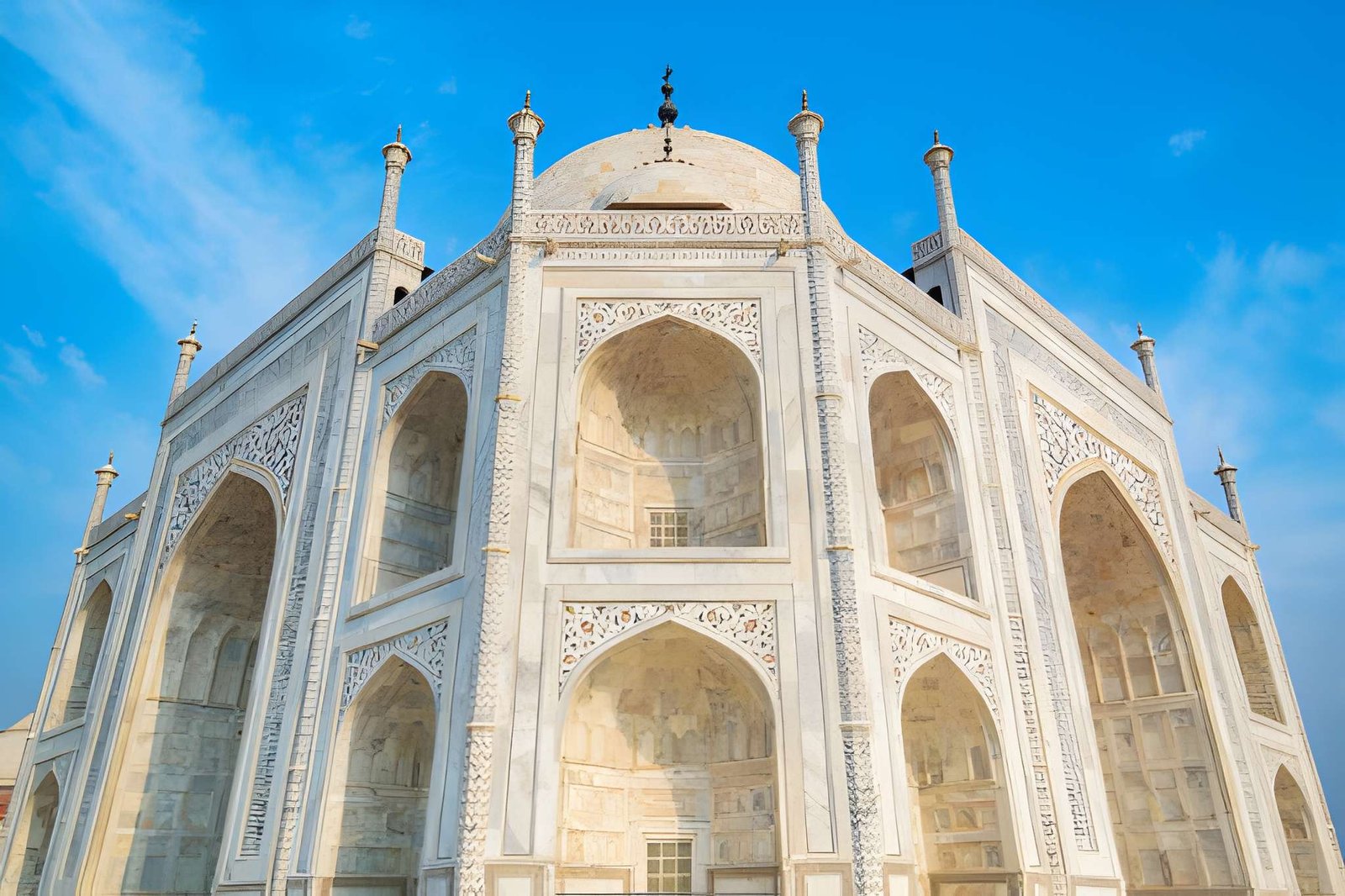
The Taj Mahal has stood as a symbol of love and architectural brilliance for centuries. But with growing environmental challenges, many travelers are asking an important question: will it still exist in its current form in the future?
Environmental Threats to the Taj Mahal
One of the biggest dangers facing the Taj Mahal is air pollution. Over the years, pollutants such as dust and industrial emissions have caused the monument’s famous white marble to slowly turn yellow. Studies show that particles like black carbon and organic dust contribute to this discoloration and surface damage.
In addition, acid rain and climate change are accelerating the deterioration of the marble. These factors can lead to erosion, cracks, and long-term structural weakening.
Another emerging issue is microplastic pollution, which researchers recently detected settling on the monument’s surface—raising new concerns about long-term preservation.
The Role of Water and the Yamuna River
The Taj Mahal’s foundation depends heavily on the Yamuna River, which flows nearby. However, declining water levels and pollution in the river are creating serious risks. Reduced groundwater can weaken the monument’s base, while polluted water contributes to insect activity that stains the marble.
Without proper water management, experts warn that these issues could affect the monument’s stability in the future.
Preservation Efforts: Can the Taj Mahal Be Saved?
Fortunately, ongoing preservation efforts aim to protect this UNESCO World Heritage Site. Authorities have introduced measures such as limiting vehicle access, controlling industrial emissions, and regularly cleaning the marble using traditional clay treatments.
However, experts agree that preservation is a complex challenge. Balancing tourism, urban development, and environmental protection requires continuous global attention and sustainable policies.
What Does the Future Hold?
The Taj Mahal is not expected to disappear anytime soon. With proper conservation, it can continue to stand for generations. However, its appearance and condition may change if environmental threats are not effectively managed.
In simple terms: the Taj Mahal will likely survive—but not necessarily in the same pristine form we see today.
Why You Should Visit Now
There has never been a better time to witness the Taj Mahal’s beauty. Experiencing it firsthand allows you to appreciate its intricate craftsmanship, historical significance, and cultural importance before further changes occur.
Plan your visit today and secure your entry tickets easily at:
👉 https://ticketstajmahal.com
Don’t miss the chance to explore one of the world’s greatest wonders while it still shines in all its glory.





Comment (0)