


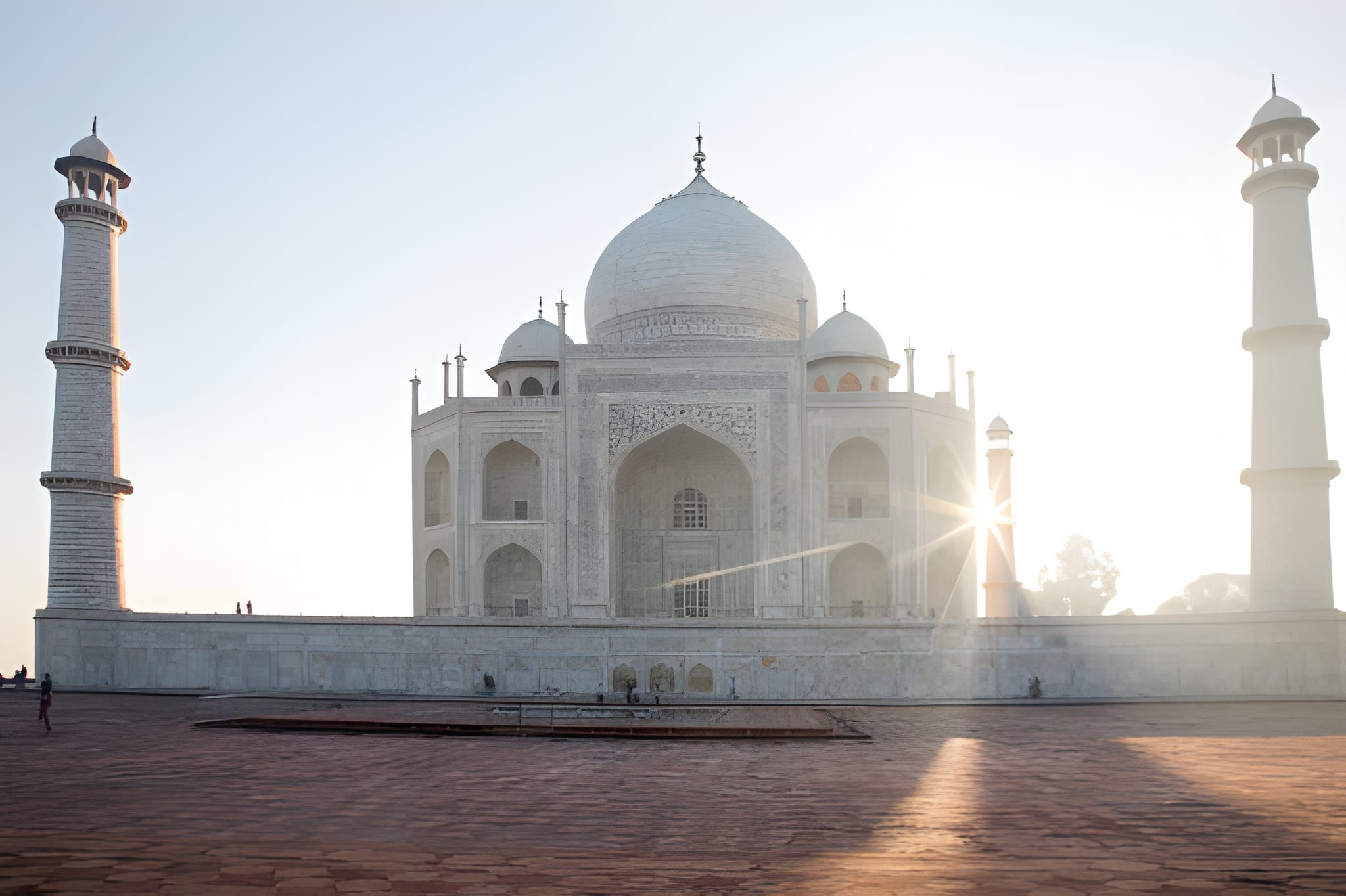
When people think of the Taj Mahal, they instantly picture the gleaming white marble masterpiece built by Emperor Shah Jahan in memory of his beloved wife, Mumtaz Mahal. Yet, the roots of this architectural wonder trace back to an earlier Mughal ruler—Emperor Akbar the Great, whose vision and cultural influence helped shape the very essence of Mughal architecture that reached its pinnacle in the Taj Mahal.
The Emperor Who Laid the Foundation
Akbar, who reigned from 1556 to 1605, was more than a powerful conqueror; he was a visionary who believed in blending art, culture, and religion. His reign marked the golden age of Mughal architecture. The magnificent city of Fatehpur Sikri, built under his guidance, showcased his unique ability to merge Persian, Indian, and Islamic designs—a fusion that would later inspire the architectural elegance of the Taj Mahal.
Though Akbar never saw the Taj Mahal, his influence was undeniable. The balance, symmetry, and grandeur that define the Taj reflect the artistic foundation Akbar established throughout his empire. Without Akbar’s encouragement of creativity and cultural unity, the Mughal architectural style might never have reached the perfection seen in Shah Jahan’s timeless creation.
From Akbar’s Vision to Shah Jahan’s Masterpiece
While Akbar’s architectural achievements were monumental—such as the Buland Darwaza and Agra Fort—it was his grandson Shah Jahan who took Mughal artistry to new heights. The Taj Mahal, constructed between 1631 and 1653, embodied Akbar’s ideals of harmony and balance but elevated them with white marble, precious gemstones, and intricate inlay work that symbolized love eternal.
Visitors today can explore both Akbar’s and Shah Jahan’s legacies in Agra, a city that preserves the soul of Mughal India. The Agra Fort, originally built by Akbar, served as a royal residence for generations and offers a stunning view of the Taj Mahal across the Yamuna River. Together, these two UNESCO World Heritage Sites tell a story of dynastic continuity and artistic brilliance.
A Journey Through History
Walking through the Taj Mahal complex is like stepping into a page of living history. From the majestic gateway to the tranquil gardens and the breathtaking marble dome, each element carries the influence of Akbar’s architectural ideals—order, symmetry, and reverence for beauty. It is a testament not only to Shah Jahan’s love for Mumtaz Mahal but also to Akbar’s enduring vision that laid the groundwork for India’s most celebrated monument.
Plan Your Visit to the Taj Mahal
Every year, millions of visitors from around the world come to Agra to experience the timeless beauty of the Taj Mahal. Whether you visit at sunrise, when the marble glows with a golden hue, or at sunset, when it blushes pink and silver, the experience is unforgettable.
To make your visit seamless, you can book your tickets easily and securely at Ticketstajmahal.com — your trusted gateway to exploring one of the world’s greatest wonders. The website offers instant ticket booking, entry details, and travel information to help you plan the perfect trip to Agra.
Discover the Legacy of Love and Power
The story of the Taj Mahal is more than a tale of love—it is a story of empire, art, and enduring legacy. Akbar’s influence, combined with Shah Jahan’s devotion, gave birth to a monument that continues to inspire awe and admiration centuries later.
Don’t just read about it—see it for yourself. Book your visit today at Ticketstajmahal.com and experience the grandeur of Mughal history up close.





Comment (0)