


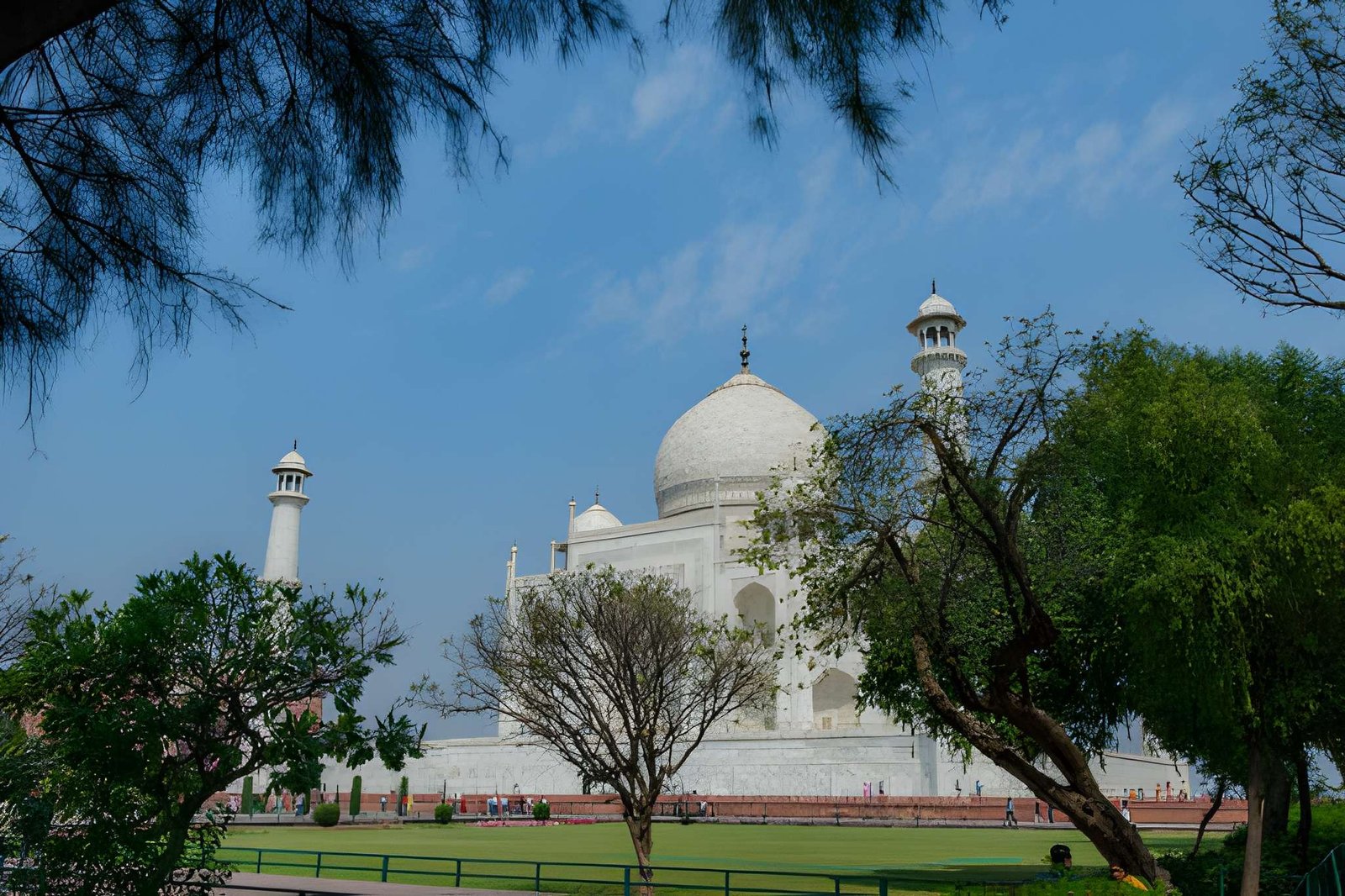
The Taj Mahal is more than a monument—it is a masterclass in architectural excellence. Built in the 17th century, it continues to influence how architects think about balance, beauty, and meaning in design. Even in today’s era of cutting-edge technology, the principles behind this iconic structure remain deeply relevant.
1. The Power of Perfect Symmetry
One of the most striking features of the Taj Mahal is its flawless symmetry. Every element mirrors the other along a central axis—from the gardens to the minarets—creating a sense of harmony and calm.
For modern architects, symmetry isn’t just about aesthetics; it’s about creating balance and clarity in design. Whether designing a home, office, or public space, structured layouts can enhance user experience and visual appeal.
2. Geometry as the Foundation of Design
The Taj Mahal is built on strict geometric principles and proportional relationships. Its layout, elevations, and decorative elements follow carefully calculated formulas, resulting in a cohesive and timeless structure.
Today’s architects can apply similar principles by prioritizing proportion and mathematical precision. Even in contemporary or abstract designs, underlying geometry ensures coherence and structural integrity.
3. Attention to Detail Matters
From intricate marble inlay work to delicate calligraphy, the Taj Mahal demonstrates an extraordinary level of craftsmanship. Every surface is thoughtfully designed, contributing to the overall experience.
In modern architecture, details are often overlooked in favor of speed and efficiency. However, thoughtful detailing—materials, textures, and finishes—can elevate a project from functional to unforgettable.
4. Material Selection and Hierarchy
The Taj Mahal uses white marble as its primary material, symbolizing purity and prominence, while surrounding structures use red sandstone to create contrast and hierarchy.
This teaches architects the importance of material selection. Using different materials strategically can guide visual focus, define importance, and enhance storytelling within a space.
5. Integration of Nature and Architecture
The Taj Mahal is not just a building—it’s part of a larger landscape. Its gardens, water features, and pathways are designed to complement the structure and create a serene environment.
Modern architects can learn to design with nature rather than around it. Integrating green spaces and natural elements improves sustainability and user well-being.
6. Designing for Emotion and Meaning
Perhaps the most powerful lesson is that the Taj Mahal was built with purpose—it is a symbol of love. This emotional narrative is embedded in every aspect of its design, making it more than just a physical structure.
Today’s architecture often focuses on function, but meaning matters. Buildings that tell a story or evoke emotion tend to leave a lasting impact.
Final Thoughts
The Taj Mahal stands as a timeless reminder that great architecture blends science, art, and emotion. By embracing symmetry, precision, craftsmanship, and purpose, modern architects can create designs that endure for generations.
If you want to experience these lessons firsthand, explore the beauty of the Taj Mahal and plan your visit today at https://ticketstajmahal.com.





Comment (0)