


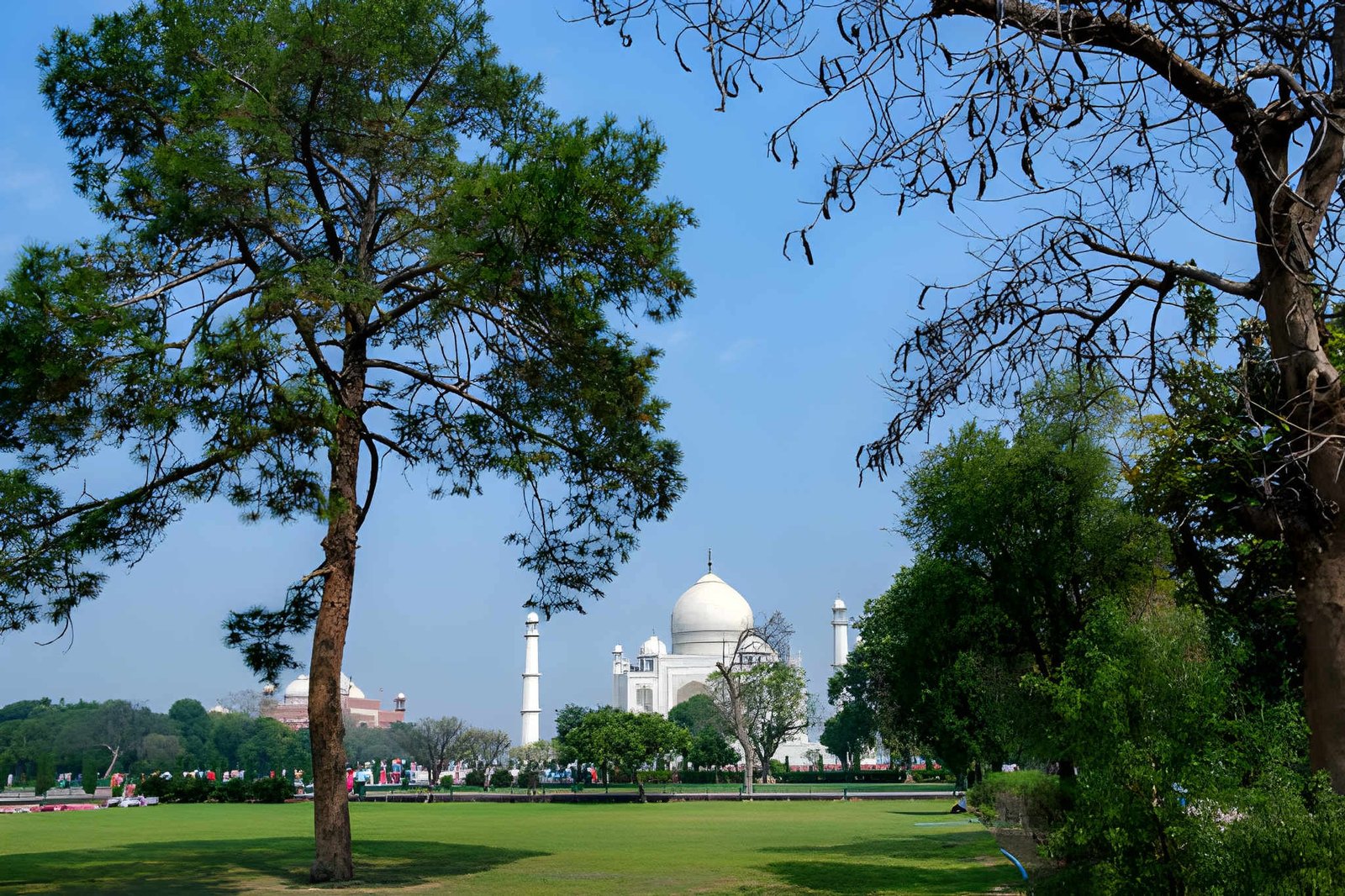
The Taj Mahal stands as one of the most admired architectural achievements in human history. Built in the 17th century, it represents not only technical mastery but also artistic harmony, emotional depth, and cultural significance. This raises an intriguing question: can modern buildings truly match its perfection?
The Meaning of “Perfection” in Architecture
Perfection in architecture goes beyond flawless construction. It blends proportion, symmetry, craftsmanship, and emotional impact. The Taj Mahal excels in all these aspects. Its balanced design, intricate marble inlay work, and the way it interacts with light create an experience that feels almost otherworldly.
Modern buildings, on the other hand, often prioritize efficiency, sustainability, and functionality. While these are important, they sometimes come at the expense of artistic expression and timeless beauty.
Advances in Modern Architecture
There’s no denying that today’s technology allows architects to push boundaries like never before. Skyscrapers, smart buildings, and eco-friendly designs showcase innovation and adaptability. Materials are stronger, construction is faster, and designs can be more daring.
Yet, even with these advancements, many modern structures lack the emotional storytelling embedded in historic monuments. The Taj Mahal wasn’t just built—it was crafted with a purpose, symbolizing love and devotion.
Craftsmanship vs. Technology
One of the defining differences lies in craftsmanship. The Taj Mahal was built over decades by skilled artisans who paid attention to the smallest details. Every carving, every gemstone, and every arch reflects human touch and dedication.
In contrast, modern construction often relies on machines and standardized processes. While this ensures precision and scalability, it can sometimes result in buildings that feel less personal and unique.
Timeless Appeal vs. Changing Trends
Modern architecture is often influenced by trends that evolve quickly. What feels groundbreaking today may appear outdated in a few decades. The Taj Mahal, however, has remained timeless for centuries. Its design continues to inspire awe regardless of changing tastes.
This timelessness is a key element of its “perfection.” It doesn’t rely on trends—it defines beauty in a way that transcends time.
Can Modern Buildings Compete?
Modern buildings can certainly rival the Taj Mahal in innovation and engineering. Some even achieve remarkable aesthetic appeal. However, matching its perfection requires more than technology—it demands a deep connection between art, purpose, and emotion.
Very few modern structures aim for that level of holistic excellence. And perhaps that’s why the Taj Mahal continues to stand apart.
Experience the Perfection Yourself
While debates about architectural perfection continue, nothing compares to experiencing the Taj Mahal in person. Its beauty, symmetry, and atmosphere leave a lasting impression that no photograph or description can fully capture.
If you’re planning a visit, make it seamless and memorable by booking your tickets in advance. Visit https://ticketstajmahal.com to secure your entry and explore one of the world’s greatest masterpieces without hassle.
Modern architecture may continue to evolve, but the Taj Mahal remains a benchmark—a reminder that true perfection lies in the harmony of design, craftsmanship, and meaning.





Comment (0)