


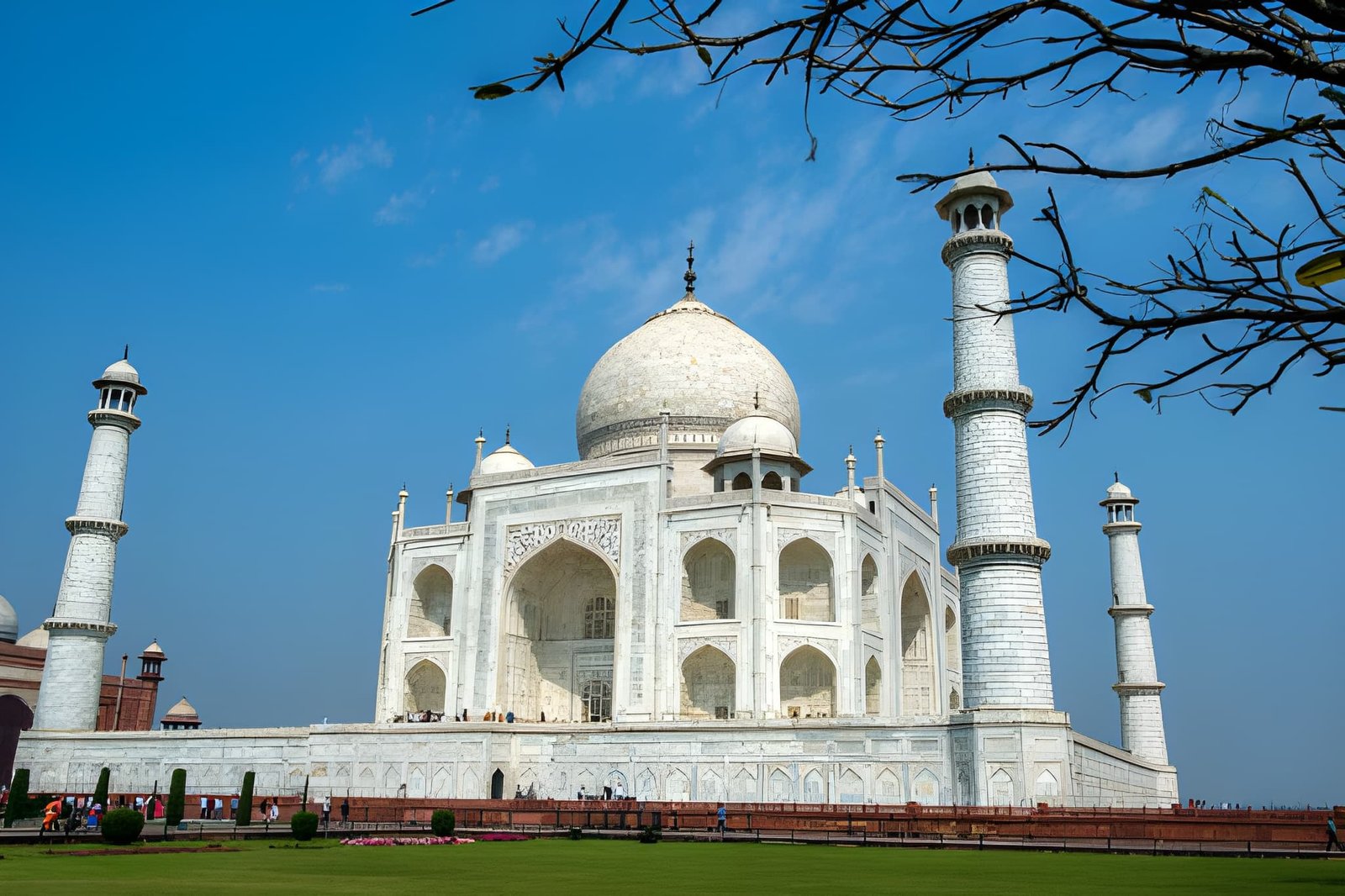
Architecture tells the story of human progress. From the timeless beauty of the Taj Mahal to today’s sleek skyscrapers, the way we design buildings has dramatically evolved. But what exactly has changed—and what has remained the same?
The Timeless Beauty of the Taj Mahal
Built in the 17th century by Emperor Shah Jahan, the Taj Mahal is a masterpiece of Mughal architecture. It blends Persian, Islamic, and Indian design elements into a perfectly symmetrical structure made of white marble.
What makes it truly unique is its attention to detail. Intricate carvings, precious stone inlays, and geometric precision create a sense of harmony and balance. The entire complex is carefully planned along a central axis, reflecting a deep understanding of proportion and symmetry.
More than just a building, it is a symbol of love, culture, and artistic craftsmanship—where every detail was handcrafted over decades.
The Rise of Modern Architecture
Modern architecture, which emerged in the 20th century, focuses on simplicity, functionality, and innovation. Unlike historical monuments, modern buildings often use materials like steel, glass, and reinforced concrete.
Designs today emphasize clean lines, open spaces, and efficiency. Instead of intricate ornamentation, modern structures highlight minimalism and practicality. Technology also plays a major role, enabling faster construction and more complex forms.
Key Differences: Then vs Now
1. Materials and Techniques
The Taj Mahal was built using marble and hand-carved stones sourced from various regions, requiring thousands of artisans.
Modern architecture relies on industrial materials and advanced machinery, making construction quicker and more scalable.
2. Design Philosophy
Traditional architecture focuses on beauty, symbolism, and cultural identity. The Taj Mahal, for example, represents paradise and eternal love.
Modern design prioritizes functionality, efficiency, and adaptability to urban needs.
3. Craftsmanship vs Technology
The Taj Mahal showcases handcrafted artistry and human skill.
Modern buildings depend heavily on digital design tools, automation, and engineering innovations.
4. Purpose and Usage
Historical structures like the Taj Mahal were often monuments or religious buildings.
Modern architecture is largely driven by practical needs—offices, homes, and urban infrastructure.
What Has Stayed the Same?
Despite these differences, one thing remains unchanged: architecture continues to reflect human ambition and creativity. Whether it’s a marble masterpiece or a glass skyscraper, both aim to inspire and serve their purpose.
Experience History Yourself
While modern buildings shape our future, the Taj Mahal remains a powerful reminder of our past. Its beauty, symmetry, and emotional story continue to captivate millions of visitors every year.
👉 Ready to witness this iconic wonder in person? Visit https://ticketstajmahal.com to book your tickets and explore the magic of the Taj Mahal today.





Comment (0)