


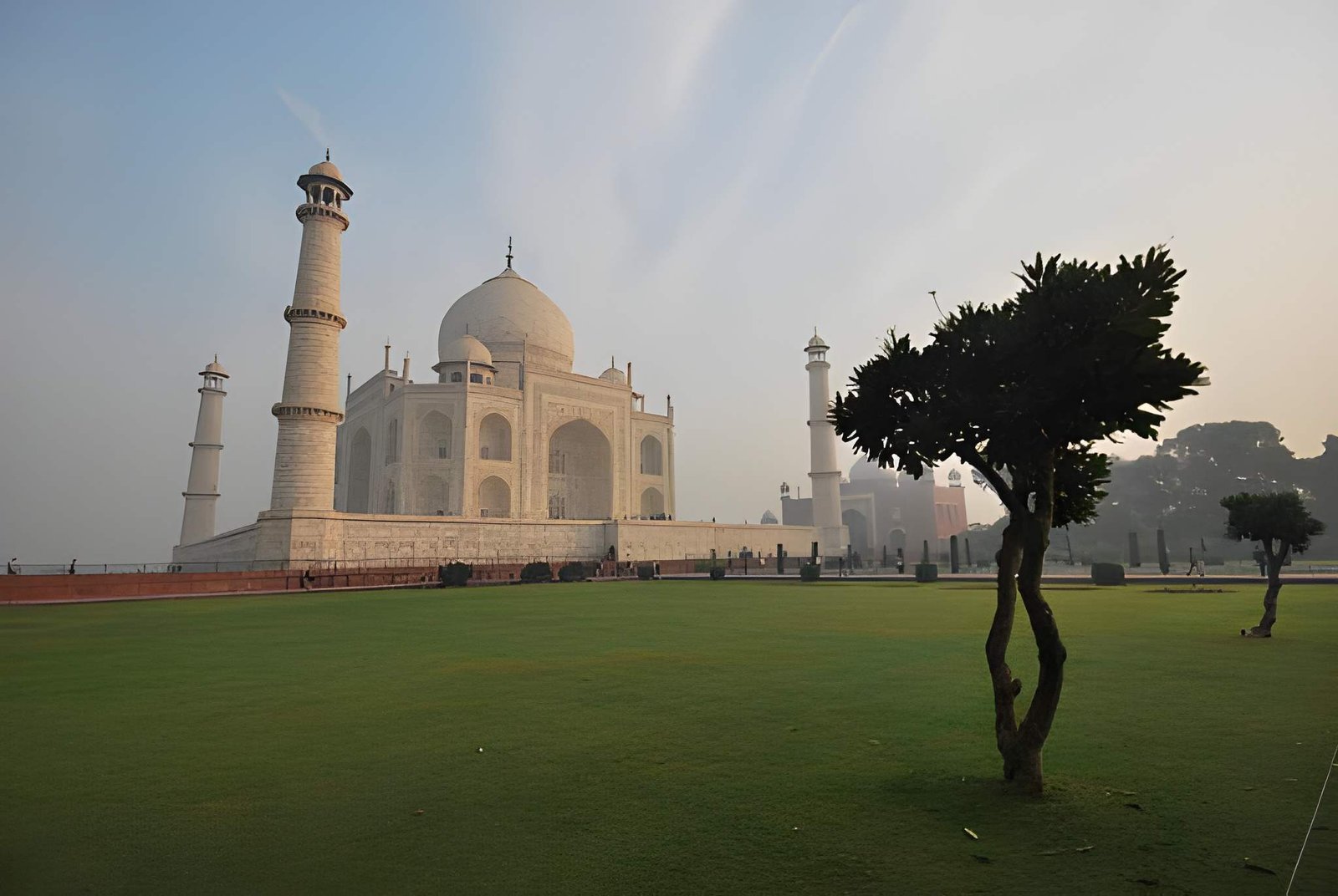
The Taj Mahal is more than just a monument—it is one of the most powerful global symbols of beauty, love, and timeless architecture. Recognized across continents, it has evolved into a brand that transcends tourism, influencing culture, design, and even marketing strategies worldwide.
A Universal Symbol of Love
Built in the 17th century by Emperor Shah Jahan, the Taj Mahal stands as a tribute to eternal love. This emotional narrative has played a major role in its global appeal. Unlike many historical landmarks, its story is simple, relatable, and deeply human. That universal connection makes it easy for people from different cultures to emotionally engage with it, strengthening its identity as a global icon.
Visual Identity That Stands Out
The Taj Mahal’s striking white marble structure, symmetrical design, and reflective pools create a visual identity that is instantly recognizable. In branding terms, it has a “logo-like” quality—clean, distinct, and unforgettable. Whether featured in travel campaigns, films, or advertisements, its silhouette alone evokes elegance and heritage.
This strong visual presence has helped it maintain relevance in a fast-changing digital world, where attention spans are short and imagery must be impactful.
Global Tourism Magnet
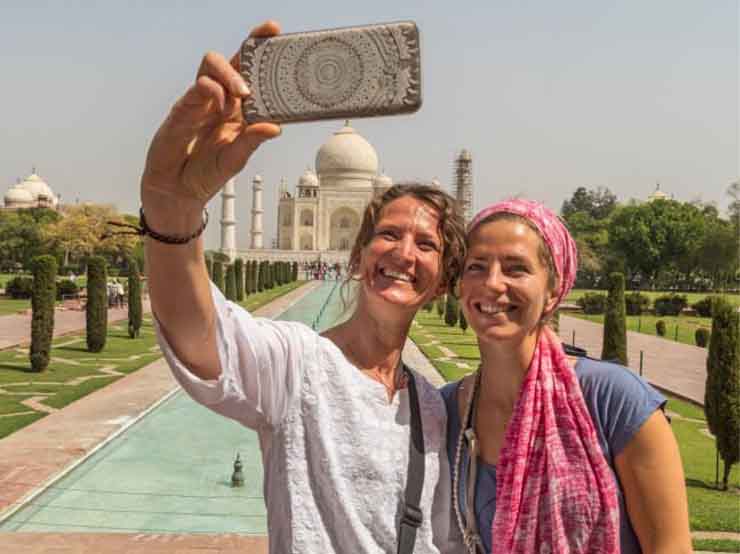
Each year, millions of travelers from around the world visit the Taj Mahal, making it one of the most visited landmarks on Earth. Its reputation as a must-see destination reinforces its brand value. Social media has amplified this effect, with visitors sharing photos that further strengthen its global visibility.
For many travelers, visiting the Taj Mahal is not just a trip—it’s a milestone experience. This perception enhances its status as a premium destination.
Influence Beyond Travel
The branding power of the Taj Mahal extends beyond tourism. It has inspired fashion, art, architecture, and even luxury branding. Designers often reference its symmetry and elegance, while brands use its imagery to convey sophistication and timeless quality.
It also appears frequently in global media, from movies to documentaries, reinforcing its position as a cultural ambassador of India.
Digital Age and Continued Relevance
In today’s digital era, iconic landmarks must maintain their presence online to stay relevant. The Taj Mahal continues to thrive, trending regularly on platforms like Instagram and travel blogs. Its ability to adapt to modern storytelling—through photography, reels, and virtual tours—keeps it fresh in the minds of new generations.
Experience It Yourself
While photos and stories capture its beauty, nothing compares to seeing the Taj Mahal in person. From sunrise views to moonlit reflections, every moment offers a unique perspective.
If you’re planning your visit, make it seamless and memorable. Book your tickets easily through our website: https://ticketstajmahal.com and experience one of the world’s greatest wonders firsthand.
The Taj Mahal is not just a monument—it is a global brand built on emotion, beauty, and timeless appeal. Its power lies in its ability to connect with people everywhere, making it one of the most enduring icons in the world.





Comment (0)