


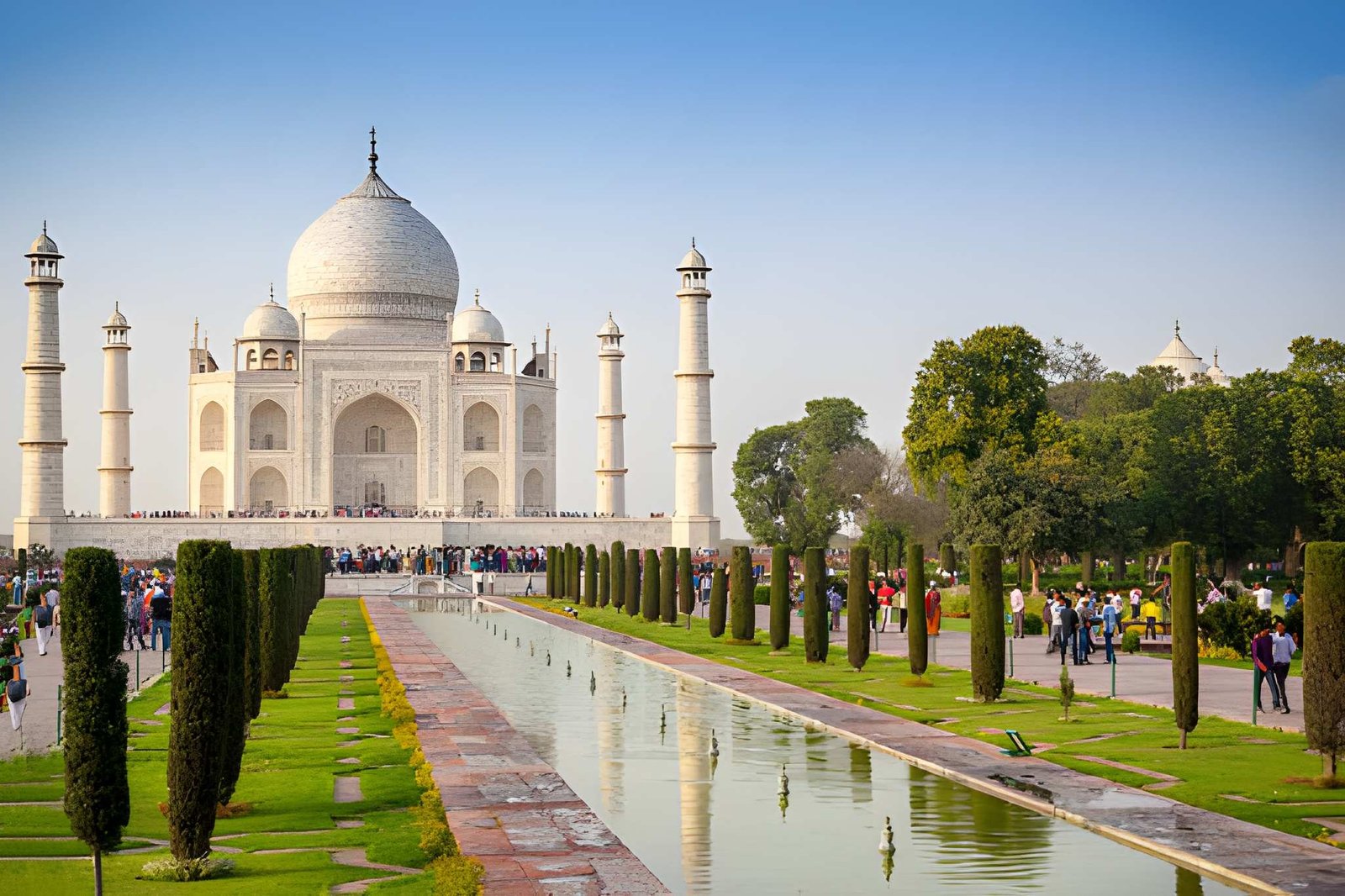
The Taj Mahal is one of the most iconic landmarks in the world, attracting millions of visitors each year. While its beauty appears timeless, maintaining this masterpiece is a complex and costly business operation that involves balancing tourism revenue, conservation needs, and environmental threats.
Rising Maintenance Costs
Preserving the Taj Mahal requires significant financial investment. Annual maintenance costs are estimated at ₹20–25 crore, covering cleaning, structural monitoring, and environmental protection efforts.
These costs continue to rise due to pollution damage, restoration projects, and advanced conservation technologies. In some periods, expenses have increased year over year as environmental pressures worsen.
Despite generating substantial revenue—over ₹200 crore in just three years from ticket sales—only a portion is reinvested into conservation, creating ongoing financial challenges.
Tourism vs. Preservation
Tourism is both a blessing and a burden. The Taj Mahal receives millions of visitors annually, with peak days seeing tens of thousands of people on-site.
While ticket sales fund maintenance, heavy foot traffic causes physical wear, increased humidity, and structural stress. Managing visitor flow without compromising the monument’s integrity is a constant challenge for authorities.
This creates a business dilemma: increasing visitor numbers boosts revenue, but also accelerates deterioration and raises maintenance costs.
Environmental and Pollution Pressures
Air pollution is one of the biggest threats to the Taj Mahal. Over time, pollutants have caused yellowing and staining of the marble, requiring regular cleaning and restoration.
Additionally, environmental factors such as changing river levels and humidity affect the monument’s foundation and long-term stability. These issues demand ongoing investment and strict environmental regulations, adding to operational complexity.
Infrastructure and Operational Challenges
Maintaining a global tourist attraction also means providing modern amenities—ticketing systems, sanitation, and visitor services—without disrupting the historical integrity of the site.
Efforts to enhance visitor experience, such as digital ticketing and improved facilities, require additional funding and coordination.
Moreover, partnerships with private organizations and government agencies introduce another layer of management complexity, as stakeholders balance commercial goals with heritage preservation.
The Balance Between Revenue and Responsibility
The Taj Mahal is not just a monument—it is a global tourism business. However, unlike typical businesses, its primary goal is preservation, not profit.
Authorities must carefully allocate funds, manage visitor demand, and invest in conservation technologies, all while ensuring the monument remains accessible to the public.
Conclusion
Maintaining the Taj Mahal is a delicate balancing act between economics and preservation. Rising costs, environmental threats, and mass tourism make it one of the most challenging heritage sites to manage in the world.
If you’re planning to experience this wonder firsthand, secure your visit in advance and support responsible tourism through our website:
👉 https://ticketstajmahal.com
By booking ahead, you help contribute to sustainable tourism that protects this timeless treasure for future generations.





Comment (0)