


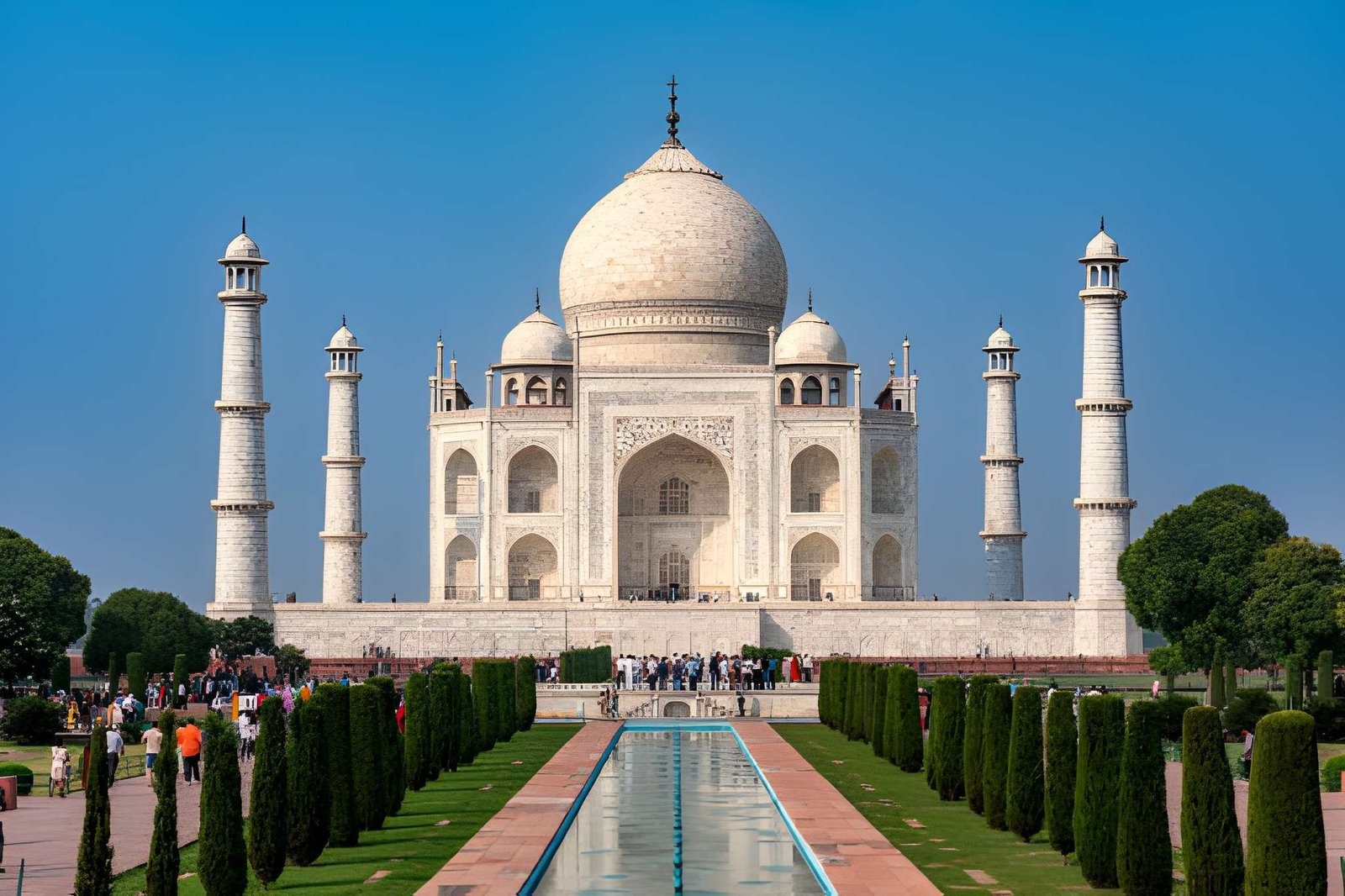
The Taj Mahal is not only a symbol of eternal love but also a powerful economic engine that sustains thousands of livelihoods in Agra. Every year, millions of visitors from across the world travel to see this UNESCO World Heritage Site, making tourism one of the city’s strongest industries.
Tourism Driving Employment Opportunities
The constant flow of domestic and international tourists has created a wide range of employment opportunities in Agra. Hotels, guest houses, restaurants, tour guides, taxi operators, and souvenir shops all depend heavily on Taj Mahal tourism. The monument alone attracts millions of visitors annually, making it the most visited ticketed site in India.
This demand for services ensures steady income for local workers and supports both skilled and unskilled jobs, especially in the hospitality and transport sectors.
Supporting Local Artisans and Handicrafts
Agra has a long tradition of craftsmanship, especially marble inlay work, leather goods, and embroidery. These crafts are closely linked to the Taj Mahal’s identity. Many artisans depend on tourist purchases for their daily income.
However, this heritage-based economy also faces challenges, as artisans often rely on market access and fair pricing to sustain their work. The connection between tourism and traditional crafts remains essential for preserving cultural skills while providing livelihoods.
Boosting Transport and Small Businesses
The movement of tourists creates consistent demand for transportation services such as rickshaws, taxis, and buses. Small vendors around Agra benefit from selling water, snacks, and souvenirs. Even informal workers gain daily income opportunities from visitor activity around the monument.
This ecosystem of small businesses forms an important part of Agra’s urban economy.
Challenges and Sustainable Growth
Despite its benefits, the tourism economy around the Taj Mahal also faces issues such as overcrowding, environmental restrictions, and uneven income distribution. Some traditional industries are affected by strict conservation policies, which can limit industrial activity near protected zones.
Balancing heritage protection with economic development is essential for ensuring that both the monument and the livelihoods it supports continue to thrive.
Conclusion
The Taj Mahal continues to be a cornerstone of Agra’s economy, supporting tourism, craftsmanship, and local businesses. Its influence extends far beyond architecture—it directly impacts the lives of thousands of families who depend on it for income and opportunity.
To experience this iconic wonder and support local tourism, book your visit here:
👉 https://ticketstajmahal.com





Comment (0)