


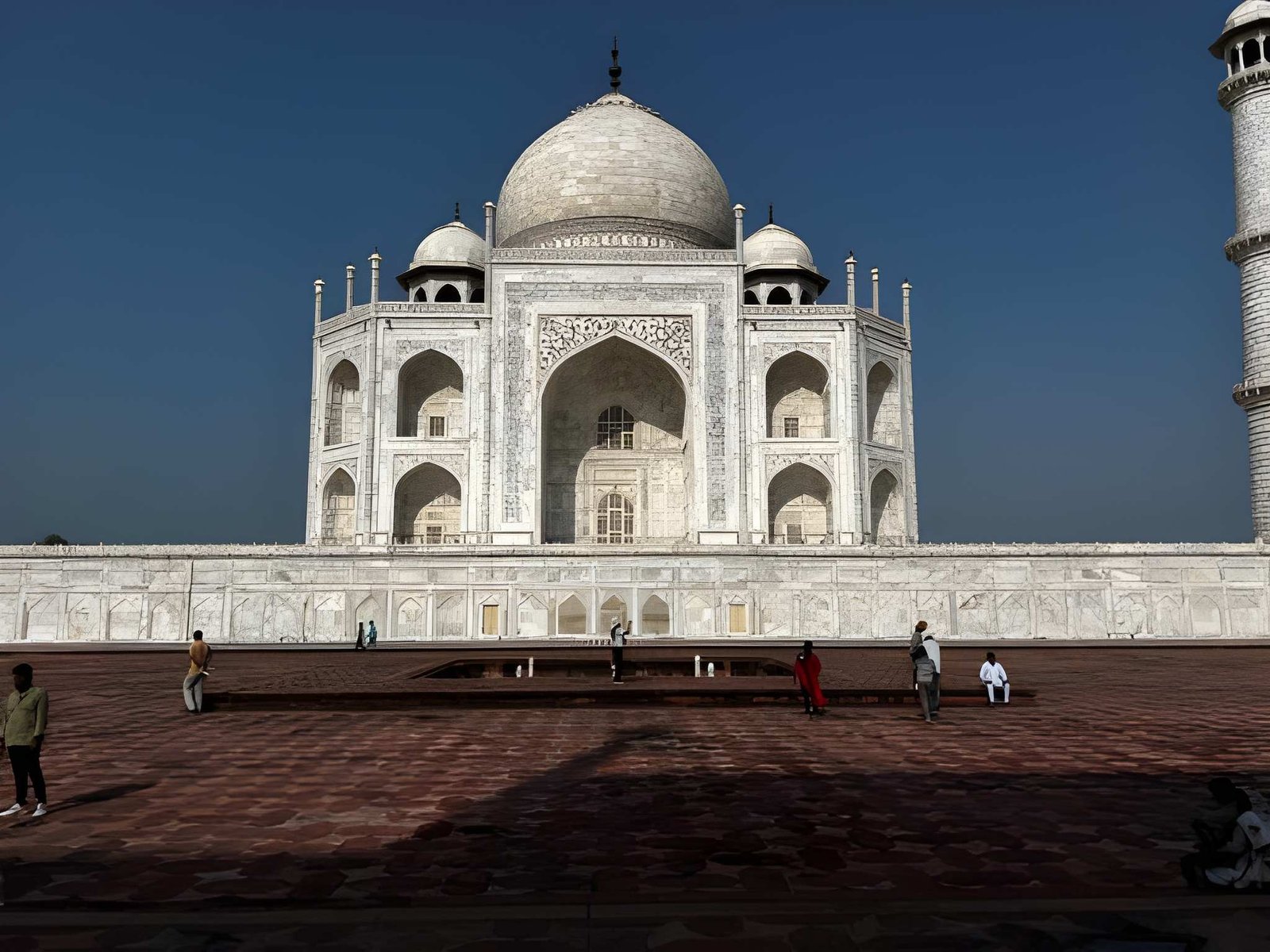
The Taj Mahal continues to stand as one of the world’s most iconic travel destinations. In recent years, tourism patterns around this UNESCO World Heritage Site have evolved significantly, shaped by global travel recovery, domestic demand, and changing visitor preferences.
Strong Post-Pandemic Recovery
Tourism at the Taj Mahal has rebounded impressively after the global slowdown during COVID-19. By 2024–2025, the monument attracted approximately 6.9 million visitors, making it the most visited ticketed monument in India.
This recovery reflects a broader global trend, where travel demand has returned close to pre-pandemic levels. The Taj Mahal has benefited greatly from this resurgence, especially as international and domestic travelers regain confidence in long-distance travel.
Rise in Domestic Tourism
One of the most notable trends is the surge in domestic tourism. Out of the total visitors in 2024–2025, over 6.2 million were domestic tourists, significantly outnumbering international visitors.
This shift highlights a growing interest among Indian travelers in exploring cultural heritage sites within their own country. Improved infrastructure, better connectivity, and government tourism campaigns have all contributed to this rise.
Gradual Return of International Visitors
While domestic tourism dominates, international travel to the Taj Mahal is steadily recovering. Around 645,000 foreign tourists visited in 2024–2025, showing a positive upward trend compared to previous years.
However, the pace of international recovery remains slower due to factors such as global economic conditions, travel costs, and competition from other destinations. Despite this, the Taj Mahal remains a top attraction for global travelers visiting India.
Changing Travel Patterns
Tourists today are more experience-focused than ever before. Instead of quick visits, many travelers now prefer:
- Sunrise or sunset visits for better views and fewer crowds
- Guided tours that provide historical insights
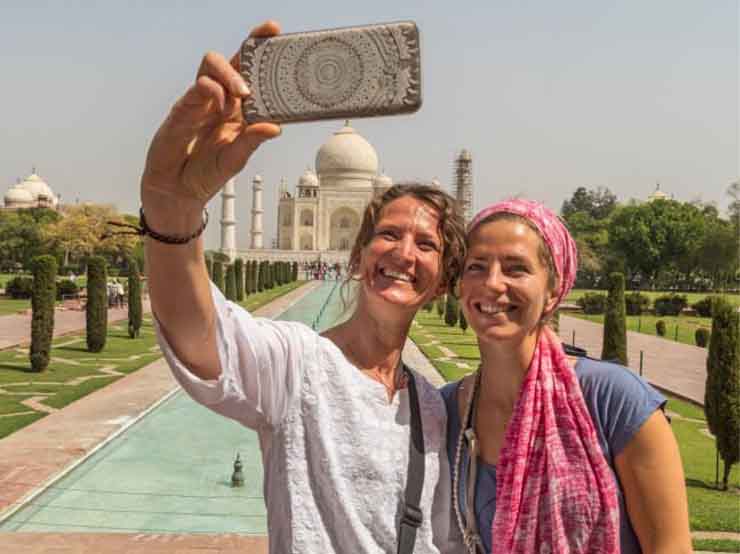
- Photography-focused trips and cultural experiences in Agra
Seasonality still plays a role, with peak visits during winter months when the weather is more pleasant.
Increased Competition from Other Destinations
Interestingly, new tourism hotspots within India are influencing visitor distribution. For example, religious destinations like Ayodhya have seen massive growth in recent years, drawing large domestic crowds.
Despite this competition, the Taj Mahal continues to maintain its position as India’s most iconic and internationally recognized monument.
Sustainability and Visitor Management
With millions of annual visitors, authorities have introduced measures to protect the monument and improve the visitor experience. These include:
- Ticketing limits during peak hours
- Promotion of online ticket booking
- Enhanced security and crowd management
Such initiatives aim to balance tourism growth with heritage conservation.
Plan Your Visit to the Taj Mahal
As tourism continues to grow, planning your visit in advance is more important than ever. Booking tickets online helps you skip long queues and ensures a smoother experience.
Visit https://ticketstajmahal.com to book your Taj Mahal tickets and secure your entry to one of the world’s most breathtaking landmarks.
Conclusion
Recent years have shown that the Taj Mahal remains resilient and ever-popular, adapting to changing travel trends while continuing to attract millions. Whether you’re a first-time visitor or returning traveler, the monument offers a timeless experience that continues to evolve with modern tourism.





Comment (0)