


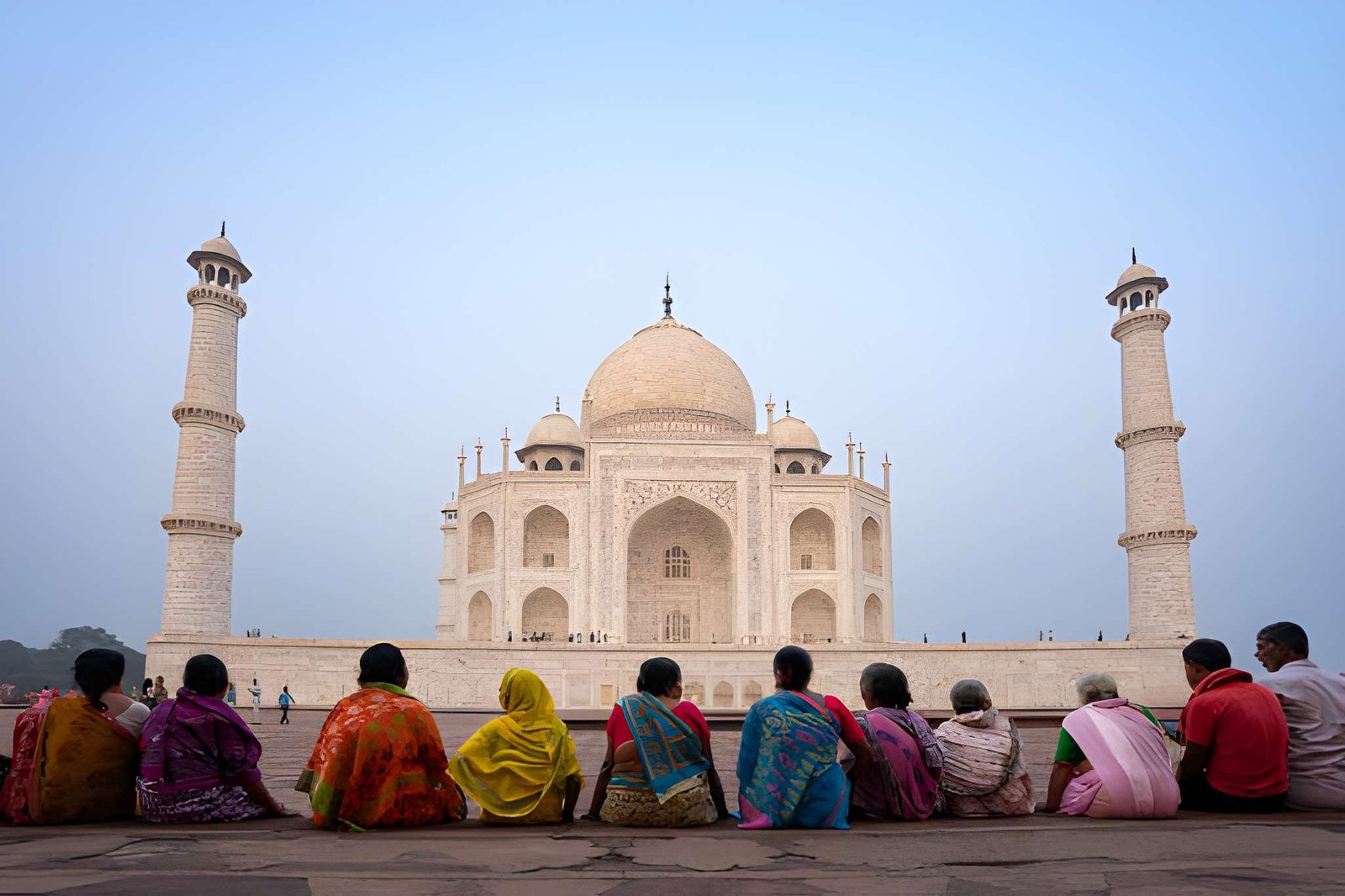
The Taj Mahal remains one of the most visited landmarks in the world—but recent data shows that visitor patterns are evolving in interesting ways. From post-pandemic recovery to shifting travel trends, here’s what’s happening and what it means for travelers.
A Strong Comeback in Visitor Numbers
After global travel disruptions in recent years, the Taj Mahal has made a strong recovery. In the 2024–25 period, the monument attracted around 6.9 million visitors, including over 600,000 international tourists.
This confirms its position as India’s most visited ticketed monument, a title it has held consistently for over a decade.
The surge reflects renewed interest in cultural travel and heritage tourism, especially as global travel confidence continues to improve.
Domestic Tourism Is Driving Growth
One of the biggest shifts is the rise in domestic tourism. Out of the total visitors, more than 6.2 million were Indian travelers, showing how local tourism is powering growth.
Several factors are behind this trend:
- Improved infrastructure and connectivity
- Increased interest in cultural and historical sites
- Government initiatives promoting domestic travel
This means the Taj Mahal is busier than ever, especially during weekends and holidays.
Foreign Tourist Trends Are Changing
While international visitors are returning, their numbers are growing more slowly compared to domestic travelers. Around 645,000 foreign tourists visited in 2024–25.
Some reports suggest global travel costs, competition from other destinations, and seasonal preferences may be influencing international arrivals.
However, the Taj Mahal continues to be a top choice for first-time visitors to India, especially during peak travel seasons like winter.
New Competition from Emerging Destinations
Interestingly, other destinations are starting to compete for attention. For example, cities like Ayodhya have seen massive growth in tourism, even surpassing Agra in overall visitor numbers within the state.
This doesn’t reduce the Taj Mahal’s global appeal—but it does show how traveler preferences are diversifying across India.
What This Means for Your Visit
With millions of visitors each year, planning ahead is more important than ever. Here are a few tips:
- Visit early in the morning for fewer crowds
- Avoid peak weekends and holidays
- Book tickets online to skip long queues
The increasing visitor numbers mean on-the-spot ticket purchases can involve delays, especially during busy seasons.
Plan Ahead and Book with Ease
As visitor numbers continue to grow, securing your entry in advance is the smartest way to enjoy a smooth experience.
You can easily plan your visit and book tickets online at:
👉 https://ticketstajmahal.com
Booking ahead helps you avoid waiting lines and ensures you make the most of your visit to this iconic wonder.
Final Thoughts
The Taj Mahal is evolving with the times. While it remains India’s most visited monument, changing visitor trends—especially the rise in domestic tourism—are reshaping the experience.
For travelers, this means one thing: plan smart, book early, and enjoy one of the world’s most breathtaking landmarks without the stress.





Comment (0)