


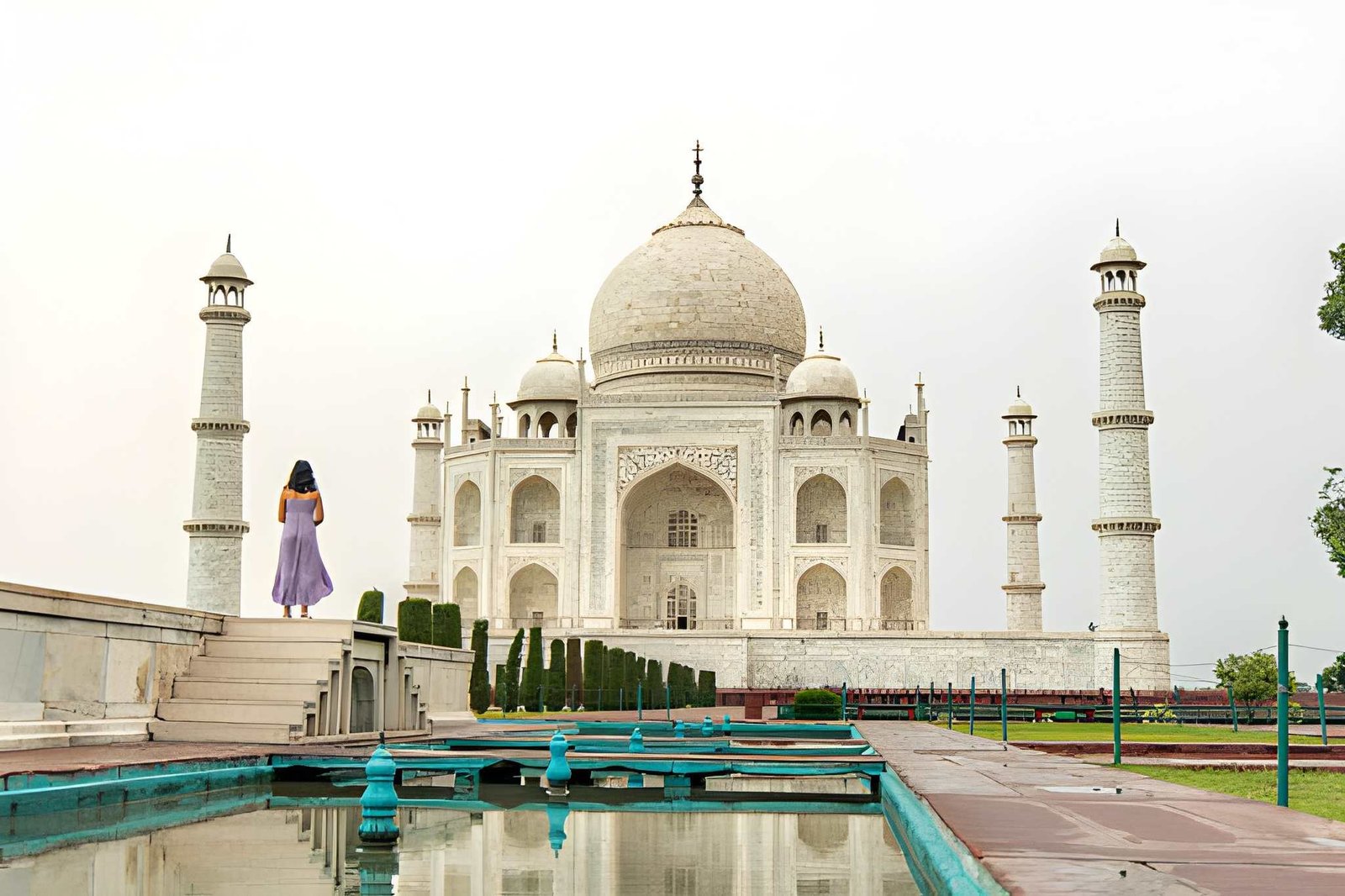
A Global Icon Drawing Millions
The Taj Mahal has long been one of the most recognized landmarks in the world. Built in the 17th century, this UNESCO World Heritage Site continues to captivate travelers with its timeless beauty and rich history. In recent years, international tourism to the monument has seen a strong resurgence, reinforcing its status as India’s top tourist attraction.
According to recent tourism data, the Taj Mahal attracts around 6.9 million visitors annually, including more than 600,000 international tourists. These numbers highlight its enduring global appeal and its importance in the international travel landscape.
Post-Pandemic Tourism Boom
The global travel industry has rebounded significantly following the pandemic, and the Taj Mahal has benefited from this surge. Foreign tourist arrivals to India have steadily increased, contributing to higher footfall at major heritage sites.
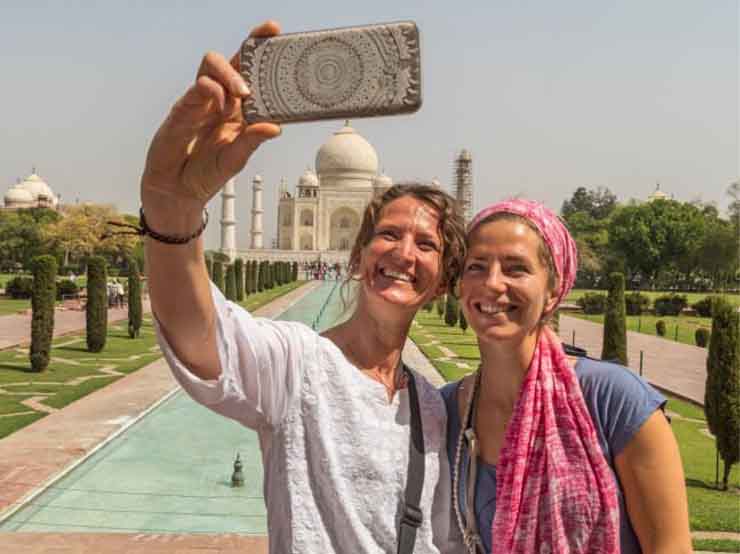
For many international visitors, the Taj Mahal is not just a destination—it is a bucket-list experience. Its romantic legacy, architectural brilliance, and cultural significance make it a must-visit for travelers from Europe, North America, and beyond.
Why International Tourists Are Flocking Back
Several factors are driving the rise in international tourism:
- Cultural Significance: As a symbol of love and Mughal architecture, the Taj Mahal offers a unique historical narrative.
- Improved Accessibility: Better infrastructure, guided tours, and streamlined ticketing systems make visits easier than ever.
- Global Recognition: Consistently ranked among the world’s top travel destinations, it continues to attract first-time and repeat visitors alike.
Additionally, efforts to manage crowds and preserve the monument—such as regulated entry times and eco-friendly transport—enhance the overall visitor experience.
Economic and Cultural Impact
The rise in international tourism has a significant impact on the local and national economy. From hospitality and transportation to local artisans, millions of livelihoods are connected to tourism in Agra.
Moreover, international visitors help promote cultural exchange, bringing global attention to India’s rich heritage and traditions. The Taj Mahal, as the most visited monument in the country, plays a central role in this cultural diplomacy.
Planning Your Visit
With increasing global interest, planning ahead is essential to make the most of your visit. Booking tickets in advance not only saves time but also ensures a smooth and hassle-free experience.
To explore the Taj Mahal with ease and avoid long queues, you can book your tickets directly through our website:
👉 https://ticketstajmahal.com
Secure your spot today and experience one of the world’s greatest wonders up close.
Conclusion
The rise of international tourism at the Taj Mahal reflects its timeless appeal and global significance. As travel continues to grow, this iconic monument remains a symbol of beauty, history, and human creativity—welcoming millions from around the world each year.





Comment (0)