


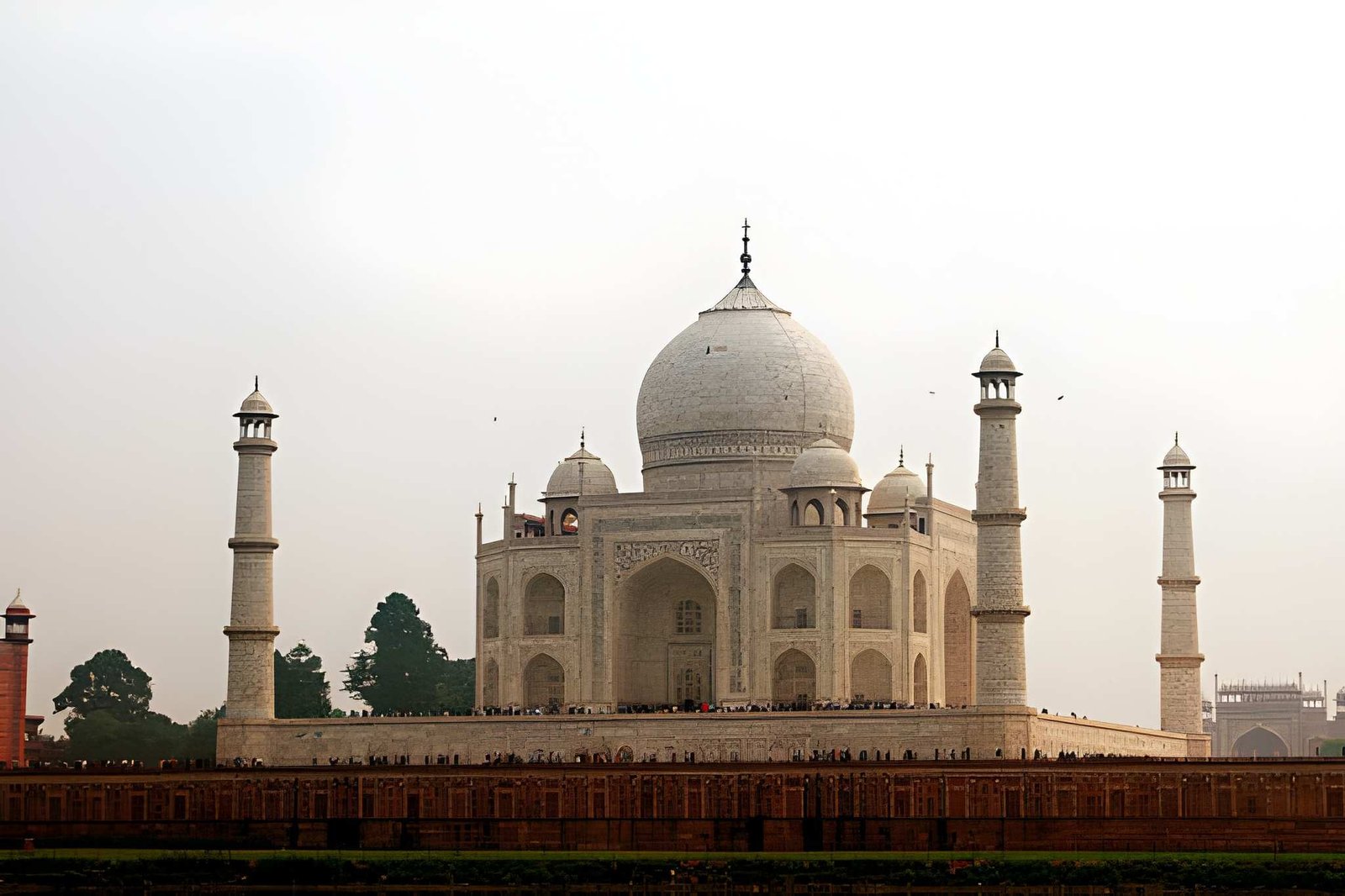
The Taj Mahal is admired as a symbol of eternal love, but behind its stunning white marble lies a world of unanswered questions, legends, and fascinating mysteries. Even after centuries, historians and travelers continue debating what is fact and what is fiction.
The Mystery of the Sealed Chambers
One of the biggest mysteries surrounding the Taj Mahal is its locked underground chambers. These rooms have fueled endless speculation for decades. Some theories claim hidden treasures or secret passages lie behind the doors, while others believe they contain forgotten Mughal artifacts.
Historians, however, suggest these chambers were traditional Mughal “tahkhanas” — underground rooms used to stay cool during hot summers. Many were sealed after flooding and structural concerns to protect the monument.
Was There Ever a Black Taj Mahal?
The legend of the “Black Taj Mahal” is one of the monument’s most famous stories. According to popular lore, Emperor Shah Jahan planned to build a second Taj in black marble across the Yamuna River as his own tomb.
While the tale sounds romantic, historians have found little evidence proving the project ever existed. Archaeological studies near Mehtab Bagh suggest the dark stones discovered there were actually discolored white marble.
Did Shah Jahan Cut Off the Workers’ Hands?
Many visitors still hear the dramatic story that Shah Jahan ordered the hands of artisans and architects to be cut off so they could never recreate such beauty again.
Despite how popular this myth is, historians say there is no reliable evidence supporting it. Several scholars describe it as a “guide tale” that became part of local folklore over time.
The Taj Mahal’s Changing Colors
Another mystery that continues to fascinate visitors is how the Taj Mahal changes color throughout the day. At sunrise, it appears soft pink, bright white during the afternoon, and golden at sunset.
Scientists explain this phenomenon through the reflective properties of Makrana marble and changing light conditions. Yet many still believe the shifting colors symbolize the emotions of Mumtaz Mahal herself.
The Optical Illusions of the Monument
The Taj Mahal was designed with extraordinary architectural precision. Visitors often notice strange visual effects — the monument appears larger from afar and smaller as you approach it.
Its minarets also lean slightly outward, a clever engineering technique intended to protect the main tomb during earthquakes. These details continue to amaze architects and historians alike.
Discover the Taj Mahal Yourself
Whether you believe the legends or trust the historians, the mysteries of the Taj Mahal only make it more magical. Every corridor, chamber, and marble wall carries stories waiting to be explored.
Plan your unforgettable visit with Tickets Taj Mahal and experience one of the world’s greatest wonders up close.





Comment (0)