


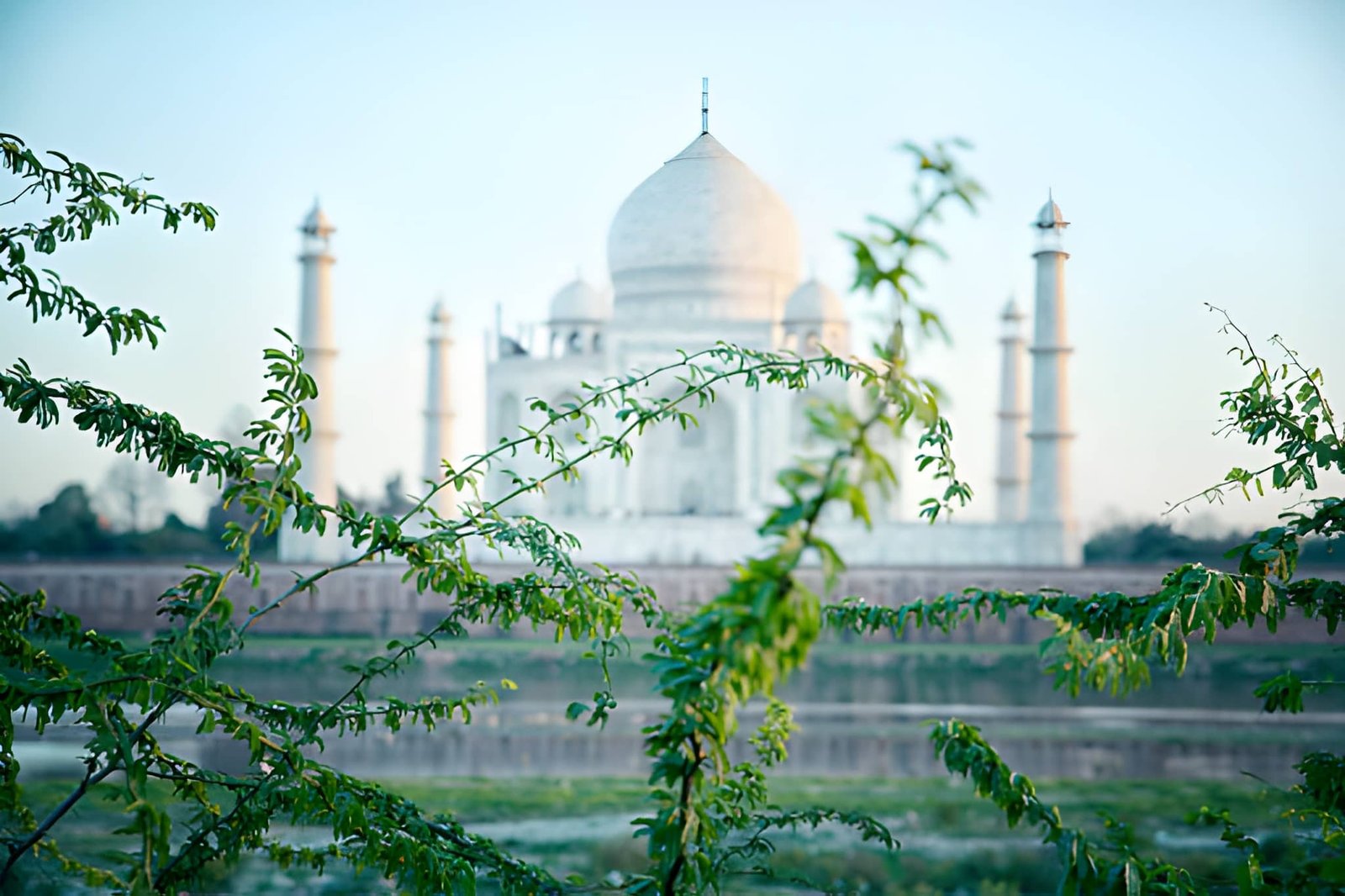
The Taj Mahal is one of the world’s most admired monuments, but beyond its white marble beauty lies a collection of mysteries that continue to puzzle historians, architects, and travelers alike.
Built by Mughal emperor Shah Jahan in memory of Mumtaz Mahal, the monument attracts millions each year. Yet several hidden details and unanswered questions still surround this architectural wonder.
The Mystery of the 22 Sealed Rooms
One of the most talked-about mysteries involves the Taj Mahal’s 22 locked chambers beneath the main structure. These underground rooms have fueled endless theories about hidden treasures, secret tunnels, and forgotten history.
Experts and the Archaeological Survey of India explain that these chambers are part of the monument’s structural foundation and were sealed mainly for preservation and safety reasons. Many of them functioned as tahkhanas — cool underground spaces commonly used in Mughal architecture.
Despite official explanations, curiosity around these hidden rooms continues to fascinate visitors worldwide.
The Optical Illusion That Tricks Visitors
The Taj Mahal is famous for a unique visual effect: it appears to change size depending on where you stand. As visitors walk toward the main gate, the monument seems to move farther away instead of closer.
Architects believe this illusion was intentionally designed using perfect symmetry and perspective techniques. Even today, experts admire how Mughal engineers achieved such precision centuries ago without modern technology.
The Changing Colors of the Marble
Another mystery is the Taj Mahal’s changing color throughout the day. At sunrise it appears pinkish, bright white during daylight, and golden under moonlight.
Researchers say the effect comes from the reflective quality of Makrana marble combined with changing sunlight and atmospheric conditions. Still, many visitors describe the transformation as almost magical.
The Real Tombs Are Hidden Below
Most tourists see the beautifully decorated cenotaphs inside the central chamber, but these are not the actual graves. The real tombs of Shah Jahan and Mumtaz Mahal are located in a simpler lower chamber that remains closed to the public.
This hidden burial area adds another layer of intrigue to the monument’s history.
Did Shah Jahan Plan a Black Taj Mahal?
One enduring legend claims Shah Jahan intended to build a second Taj Mahal made entirely of black marble across the Yamuna River.
While historians have found no solid proof, dark marble ruins discovered near Mehtab Bagh helped fuel the story for decades. Today, most scholars consider it more myth than historical fact, but the mystery remains part of the Taj Mahal’s enduring charm.
A Monument Full of Secrets
The Taj Mahal is far more than a symbol of love — it is a masterpiece filled with hidden stories, architectural brilliance, and unanswered questions that continue to captivate experts around the world.
Planning to experience this wonder in person? Visit Tickets Taj Mahal to book your tickets and explore the timeless beauty of the Taj Mahal.





Comment (0)