


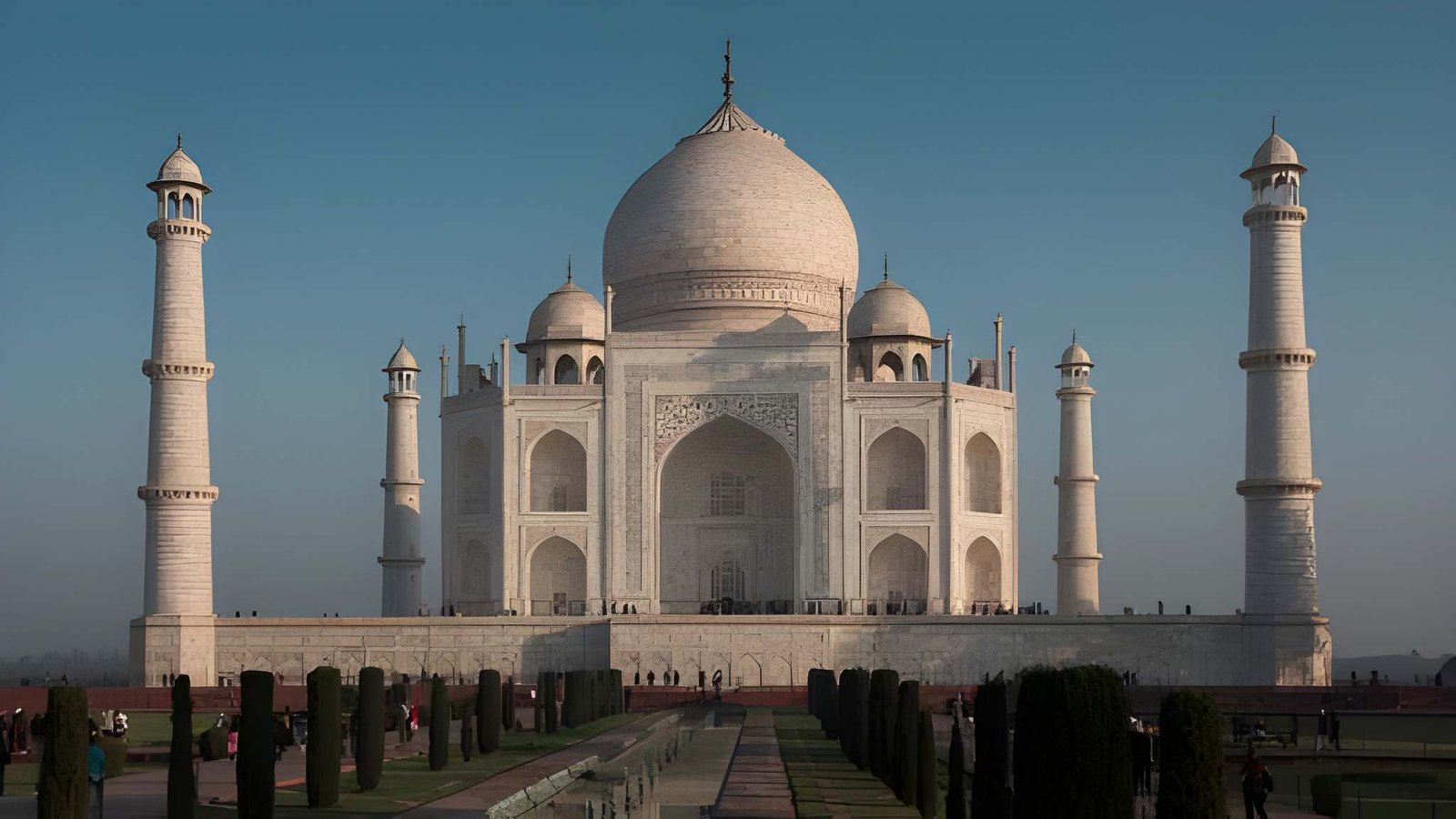
The Taj Mahal is more than a monument of love — it is a masterpiece of visual design. Every arch, pathway, reflection, and marble detail was carefully planned to influence how visitors experience the structure. Perspective plays a huge role in why the Taj Mahal feels magical from every angle.
Built in the 17th century by Mughal emperor Shah Jahan in memory of Mumtaz Mahal, the Taj Mahal continues to amaze millions with its perfect symmetry and optical illusions.
The Famous Gateway Illusion
One of the most fascinating experiences begins at the grand entrance gate. As visitors walk toward the gateway, the Taj Mahal appears to move farther away instead of closer. Once you step through the arch, the monument suddenly looks enormous and dramatically closer.
This clever illusion is created through framing, scale, and distance. The architects designed the entrance to control perspective and create a memorable first impression.
Symmetry Creates Visual Balance
The Taj Mahal is celebrated for its nearly perfect symmetry. The gardens, fountains, minarets, and pathways are aligned with incredible precision, creating harmony from every viewpoint. This balance guides the human eye naturally toward the central white marble mausoleum.
Even the reflecting pool was designed to double the beauty of the structure by mirroring the monument in water. The result is a visual experience that feels calm, balanced, and almost dreamlike.
Optical Tricks Hidden in the Details
The monument contains several subtle visual tricks. The Quranic calligraphy on the entrance appears evenly sized from the ground, but the letters actually grow larger higher up the wall. This adjustment compensates for viewing distance and keeps the writing visually consistent.
The four minarets surrounding the mausoleum also lean slightly outward. From a distance they appear perfectly straight, while the outward tilt protects the structure during earthquakes.
Light Changes the Taj Mahal’s Personality
Perspective is not only about distance and angles — light transforms the Taj Mahal throughout the day. At sunrise the marble glows pink, during daylight it appears brilliant white, and under moonlight it turns soft blue or silver.
This changing appearance happens because the marble reflects and refracts natural light differently at different times. The monument never looks exactly the same twice, making every visit unique.
Why the Taj Mahal Feels Timeless
The genius of the Taj Mahal lies in how architecture shapes human emotion. Through perspective, symmetry, light, and proportion, the monument creates wonder before visitors even realize why they are impressed.
That is why photographs rarely capture the full experience. Standing before the Taj Mahal in person reveals how carefully every visual detail was designed centuries ago.
Planning your visit? Book your tickets and explore the beauty of the Taj Mahal with Tickets Taj Mahal.





Comment (0)