


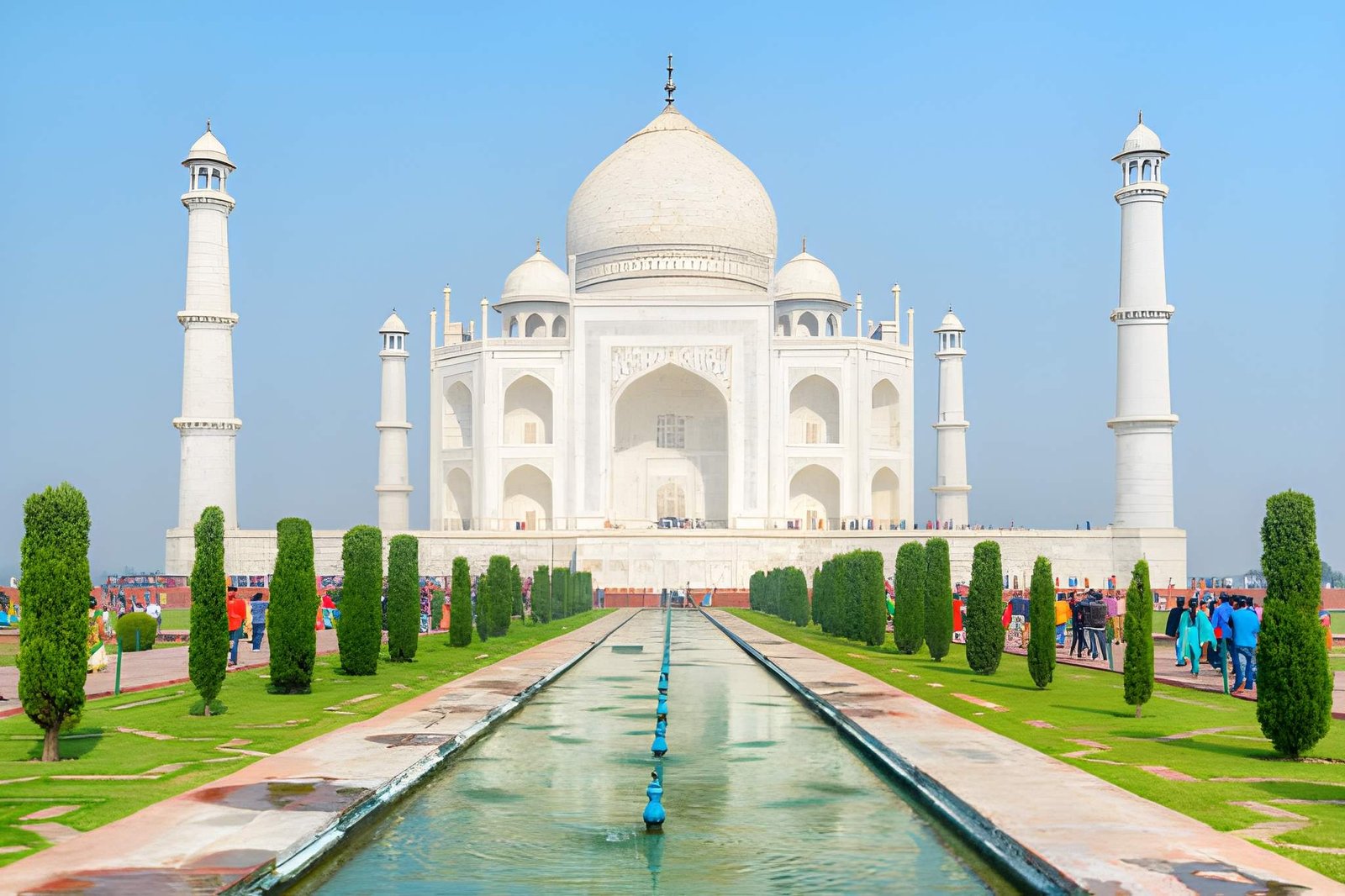
The construction of the Taj Mahal remains one of the greatest engineering achievements in history. Built in the 17th century by Mughal Emperor Shah Jahan, the monument required enormous quantities of marble, sandstone, and precious stones sourced from across India and Asia. But without modern trucks, cranes, or machinery, how were these heavy materials transported to Agra?
Materials Came from Across Asia
The Taj Mahal was not built using local materials alone. White marble was brought from Makrana in Rajasthan, over 250 miles away, while jade came from China, turquoise from Tibet, and lapis lazuli from Afghanistan. Red sandstone was transported from nearby Fatehpur Sikri.
This massive supply chain required careful planning and thousands of workers to keep materials moving steadily toward the construction site.
Elephants Were the Main Transport Force
Historical accounts suggest that more than 1,000 elephants were used during the construction of the Taj Mahal. These animals carried and hauled huge blocks of marble and other heavy stones over long distances. Oxen, camels, and buffalo carts were also commonly used for transportation.
Elephants were especially valuable because they could move through rough terrain while carrying extremely heavy loads that ordinary carts could not handle.
Giant Earthen Ramps Helped Lift Marble
One of the greatest challenges was moving heavy marble blocks upward during construction. Since cranes did not exist, Mughal engineers created enormous ramps made from compacted earth stretching several miles through Agra. Workers used ropes, wooden rollers, and animal power to drag the stones slowly up these ramps.
Teams of laborers and animals worked together continuously to move materials into position.
River Routes and Caravans Played a Key Role
The Yamuna River beside the Taj Mahal likely helped transport lighter materials by boat. Meanwhile, caravans crossed deserts, mountains, and trade routes to bring rare gemstones and decorative materials from distant regions. This international network reflected the wealth and influence of the Mughal Empire.
The project involved over 20,000 artisans, laborers, stonecutters, and engineers working together for more than two decades.
A Timeless Engineering Wonder
The transportation methods used during the Taj Mahal’s construction demonstrate the incredible creativity and organization of ancient builders. Without modern technology, they successfully moved thousands of tons of stone and materials across vast distances to create one of the world’s most admired monuments.
Planning a visit to this architectural masterpiece? Book your Taj Mahal tickets easily at Tickets Taj Mahal.






Comment (0)