


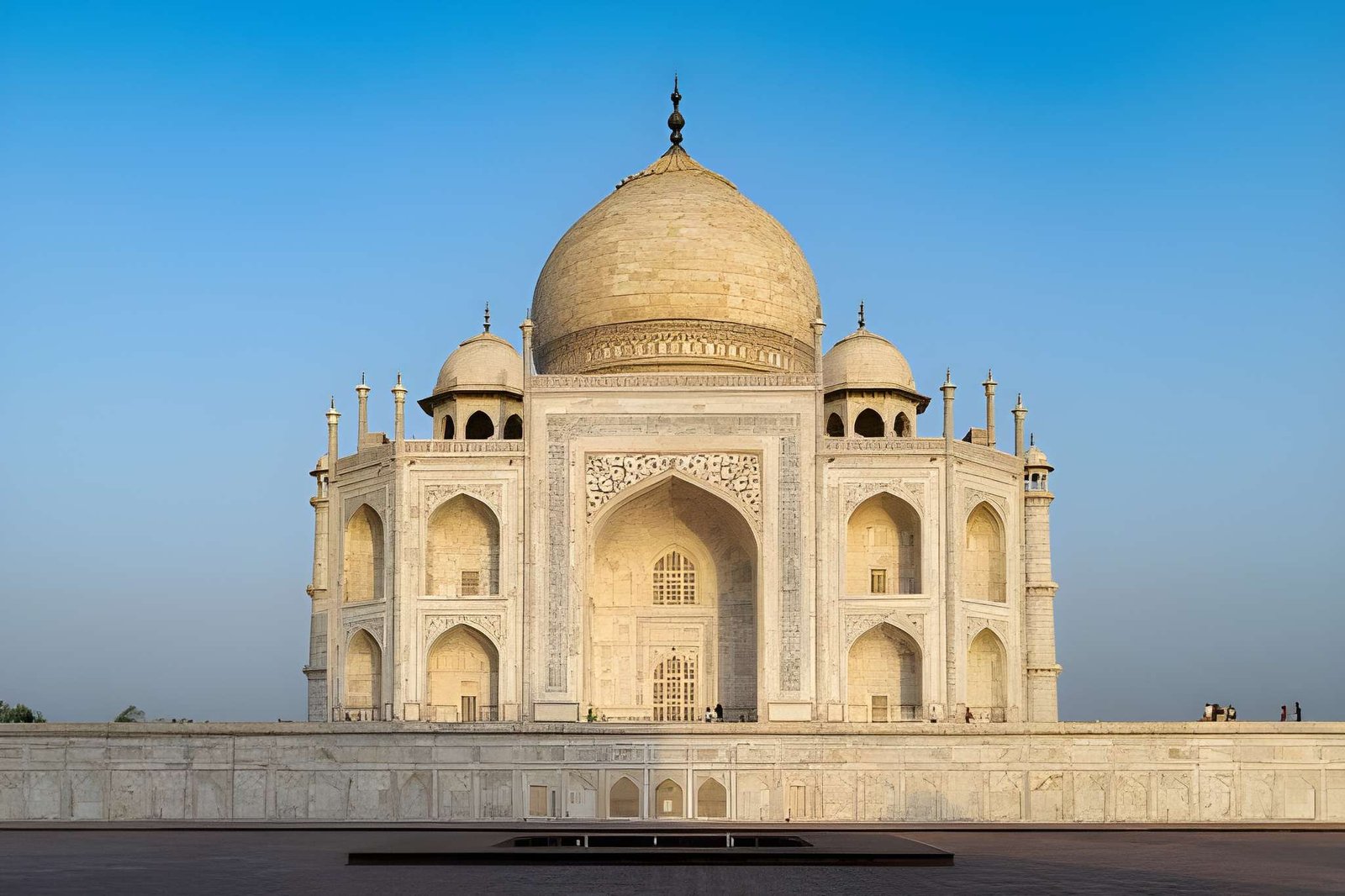
The Taj Mahal attracts millions of visitors with its beauty, symmetry, and timeless design. While many people know the story behind the monument, fewer understand the remarkable materials that created this architectural masterpiece. Builders selected every stone, marble slab, and gemstone with great care to craft a monument that still inspires the world today.
White Makrana Marble: The Heart of the Taj Mahal
White Makrana marble gives the Taj Mahal its famous appearance. Craftsmen brought this high-quality marble from Rajasthan, India. The stone reflects light beautifully and changes color throughout the day. At sunrise, the monument looks pinkish. During the afternoon, it shines bright white, and under moonlight, it glows softly in gold and silver tones.
Builders chose Makrana marble for both its elegance and strength. Even after centuries, the marble continues to maintain its shine and smooth texture.
Red Sandstone Added Strength and Contrast
Architects used red sandstone across many parts of the Taj Mahal complex, including the gateway and mosque. This material created a striking contrast against the white marble mausoleum and added durability to the structure.
The Mughal Empire often used red sandstone in royal buildings because it represented power and prestige. The combination of marble and sandstone helped the Taj Mahal stand out as a symbol of beauty and authority.
Precious Gemstones Created Detailed Artwork
The Taj Mahal features stunning pietra dura artwork, a decorative technique that uses gemstones to create floral and geometric patterns in marble surfaces. Skilled artisans carefully cut and placed each stone by hand.
Builders sourced gemstones from different regions across Asia, including:
- Jade from China
- Turquoise from Tibet
- Lapis lazuli from Afghanistan
- Jasper from Punjab
- Carnelian from Arabia
- Sapphire from Sri Lanka
These colorful stones added depth, elegance, and artistic detail to the monument’s walls and interiors.
Advanced Engineering Supported the Structure
The builders relied on more than marble and gemstones. They also used bricks, lime mortar, and strong foundation materials to support the massive structure. Engineers mixed lime with clay and natural materials to improve durability and stability.
More than 20,000 artisans and workers contributed to the project. Teams transported construction materials from distant regions using elephants and oxen, showing the incredible scale of the construction effort.
A Global Blend of Materials and Craftsmanship
The Taj Mahal represents more than Mughal architecture. It reflects artistic traditions, materials, and craftsmanship from many regions across Asia. The careful selection of marble, sandstone, and gemstones helped create one of the world’s most admired monuments.
Today, visitors continue to admire the monument’s glowing marble, intricate gemstone work, and extraordinary design.
Planning to visit this iconic wonder? Visit https://ticketstajmahal.com to book your Taj Mahal tickets and experience its beauty in person.





Comment (0)