


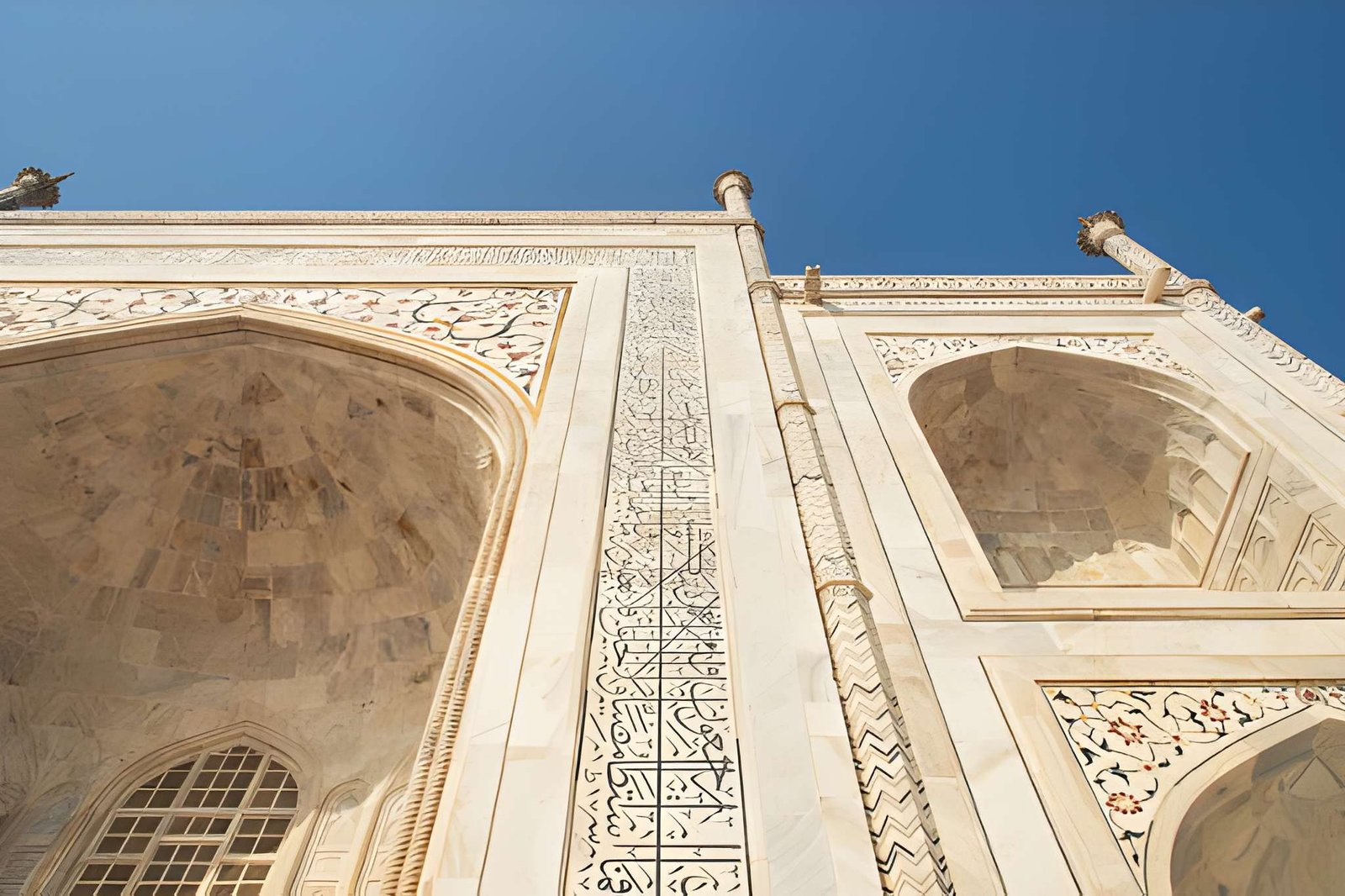
The stunning white glow of the Taj Mahal has fascinated travelers for centuries. But many visitors ask the same question: where did all that marble come from?
The answer lies in the small town of Makrana in Rajasthan, India — home to one of the world’s finest marble quarries.
The Source of the Taj Mahal’s Marble
The marble used to build the Taj Mahal came from Makrana, a historic mining region located in present-day Rajasthan. Known as Makrana marble, this stone is famous for its pure white color, durability, and natural shine.
Makrana marble was chosen by Mughal emperor Shah Jahan for the mausoleum he built in memory of his wife, Mumtaz Mahal. Construction of the Taj Mahal began in 1632 and involved thousands of artisans, stonecutters, and laborers.
Why Makrana Marble Was Special
Makrana marble is not ordinary stone. It contains very low impurities, which gives it a bright white appearance and exceptional strength. Unlike many other marbles, it becomes more beautiful over time and reflects sunlight in unique ways throughout the day.
This is one reason the Taj Mahal appears pinkish in the morning, dazzling white during the day, and golden under moonlight.
The marble’s quality also helped preserve the monument for nearly 400 years despite weather, pollution, and millions of visitors.
How the Marble Reached Agra
Transporting marble in the 17th century was an enormous challenge. Historical accounts suggest that elephants, camels, and carts carried huge marble blocks from Makrana to Agra, a journey of hundreds of kilometers.
The construction required remarkable engineering and coordination. More than 20,000 workers are believed to have contributed to the project over two decades.
More Than Just Marble
While Makrana marble formed the main structure, the Taj Mahal also features precious and semi-precious stones inlaid into the marble walls. Craftsmen used jade, turquoise, lapis lazuli, jasper, and crystal to create the monument’s famous floral patterns and calligraphy.
These decorative techniques, known as pietra dura, remain one of the Taj Mahal’s most admired artistic features today.
Visit the Taj Mahal Yourself
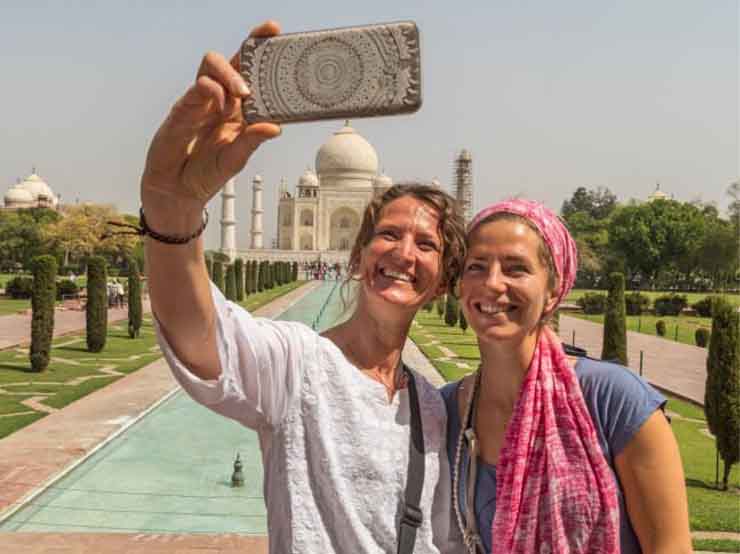
Seeing the Taj Mahal in person is very different from seeing it in photos. The smooth marble surface, changing colors, and intricate stonework make it one of the most unforgettable monuments in the world.
Planning your visit? Book your tickets and explore experiences at Tickets Taj Mahal.





Comment (0)