


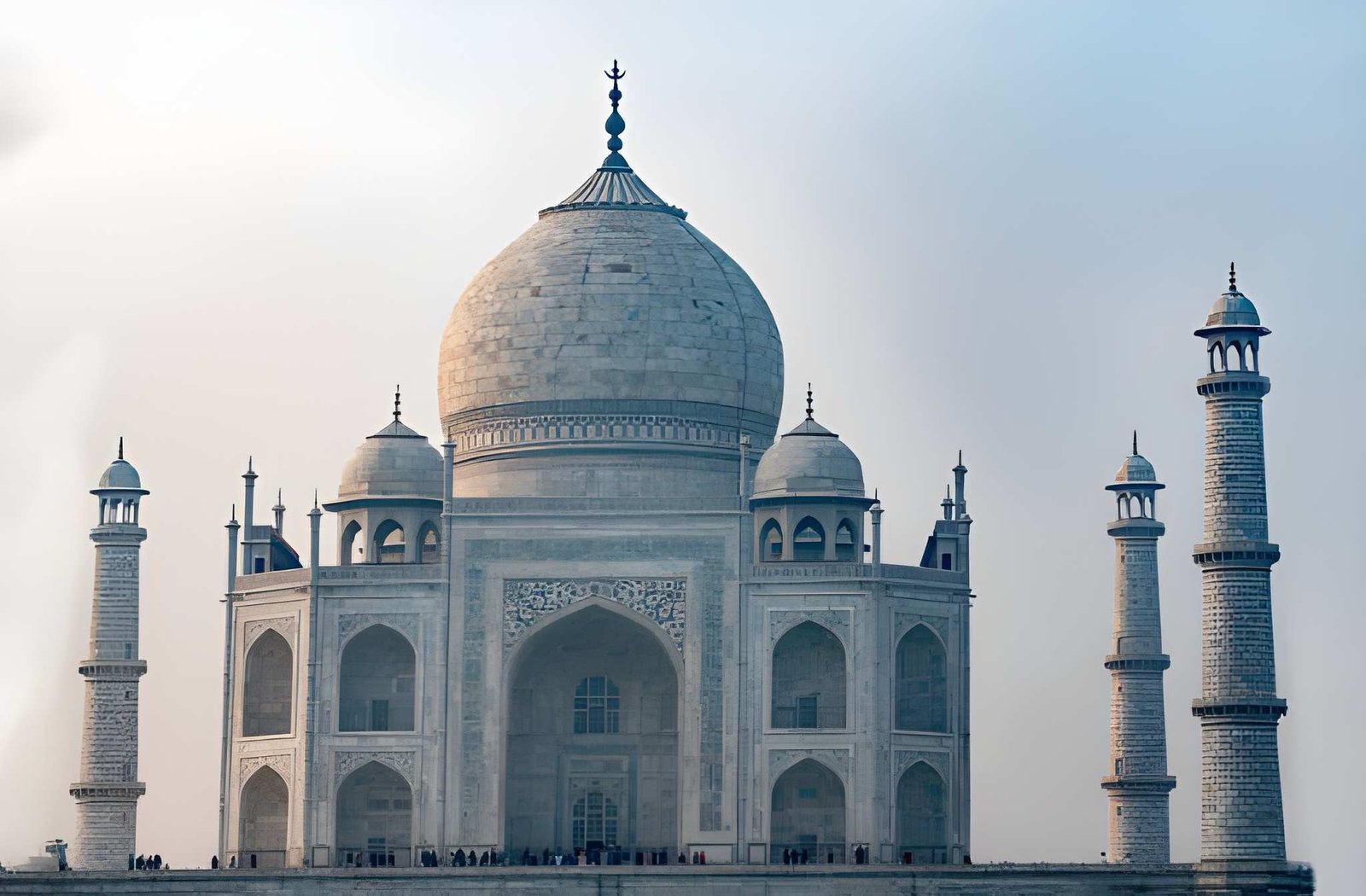
Explore the science, symmetry, and design of the Taj Mahal and book your unforgettable visit with expert guidance today.
The Taj Mahal stands among the greatest architectural wonders in the world. Beyond its beauty, the monument reveals an incredible blend of science, geometry, and artistic precision. Mughal emperor Shah Jahan created the Taj Mahal in the 17th century to symbolize harmony, balance, and timeless elegance.
Perfect Symmetry Creates Harmony
The Taj Mahal impresses visitors with its near-perfect symmetry. Architects designed the gardens, pathways, arches, and fountains to mirror each other from every angle. This balance creates a peaceful visual experience and reflects the Mughal vision of paradise.
The four minarets around the mausoleum also show remarkable engineering skill. Builders tilted them slightly outward to protect the main tomb during earthquakes. If a collapse occurred, the towers would fall away from the central structure.
Geometry Shapes the Space
Geometry plays a major role in the Taj Mahal’s design. The dome, central chamber, and reflecting pools follow carefully planned proportions that create a sense of openness and calm.
Inside the mausoleum, visitors notice the unique acoustics almost immediately. The curved dome and polished marble surfaces carry sound beautifully across the chamber. Even a quiet voice creates a soft echo that enhances the spiritual atmosphere.
Natural light also transforms the monument throughout the day. Morning sunlight gives the marble a pink glow, while bright daylight makes it appear pure white. At sunset and under moonlight, the structure takes on warm golden tones. These changing colors give the Taj Mahal a living presence.
Advanced Engineering Ahead of Its Time
The Taj Mahal required advanced engineering techniques for its time. Builders constructed deep foundations near the Yamuna River to stabilize the massive structure. They filled large wells with stone and timber to strengthen the base.
More than 20,000 artisans and craftsmen worked on the monument. They carved floral patterns, precious stone inlays, and elegant calligraphy directly into the marble. Designers even adjusted the size of the calligraphy to keep the lettering visually balanced from ground level.
A Timeless Blend of Art and Science
The Taj Mahal continues to inspire architects, historians, and travelers because it combines beauty with scientific precision. Every detail — from the symmetry and acoustics to the lighting and engineering — creates a perfect balance between art and structure.
If you want to experience this architectural masterpiece in person, visit Tickets Taj Mahal to book tickets and guided tours for a smooth and memorable journey.






Comment (0)