


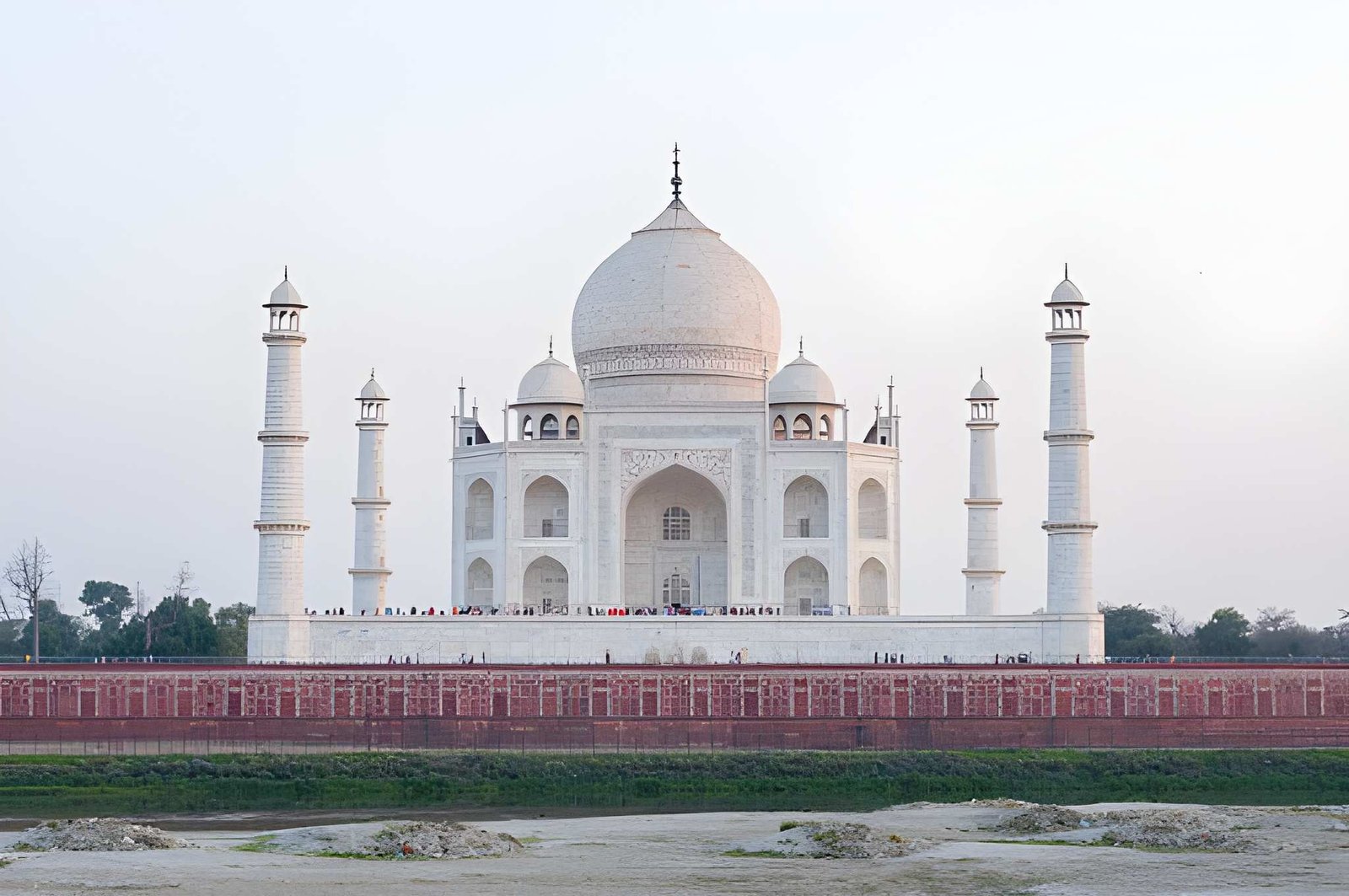
The Taj Mahal is more than a symbol of love—it’s a global tourism icon shaped by ever-changing travel trends. As international travel evolves, so does the way millions of visitors experience this UNESCO World Heritage Site. Understanding these trends helps travelers plan smarter and appreciate the monument more deeply.
Rising Global Tourism and Visitor Numbers
Global tourism has seen a strong rebound in recent years, and the Taj Mahal continues to benefit from this surge. The monument attracts around 6–7 million visitors annually, including over 600,000 international tourists.
In fact, it remains India’s most visited ticketed monument, with millions of domestic and foreign visitors each year.
This growth reflects broader global travel trends—more people are traveling internationally, and cultural landmarks like the Taj Mahal remain top bucket-list destinations.
Shift Toward Domestic Travel
One of the biggest global travel trends post-pandemic is the rise of domestic tourism. In India, this shift has significantly increased local visitors to the Taj Mahal.
While international arrivals are recovering, domestic tourism continues to dominate, helping maintain high visitor numbers even when global travel slows.
This trend ensures the Taj Mahal remains consistently busy year-round, regardless of global disruptions.
Impact of Global Events on Tourism
Global events—such as pandemics, economic shifts, or geopolitical issues—directly affect travel patterns. For example, fluctuations in foreign tourist arrivals can influence how crowded the Taj Mahal feels and when people choose to visit.
Even factors like rising travel costs or safety perceptions can reduce international visitors, showing how sensitive iconic destinations are to global conditions.
Sustainability and Over tourism Challenges
As global travel increases, so does pressure on historic sites. The Taj Mahal faces challenges related to overtourism, including environmental stress and crowd management.
Studies show that large tourist volumes can impact the monument’s surroundings and visitor experience, making sustainability a key concern.
To address this, authorities have introduced measures like time limits and visitor controls, aligning with global efforts to protect heritage sites.
Technology and Smarter Travel Planning
Modern travelers rely heavily on digital tools, online bookings, and real-time information. This global shift toward tech-driven travel has made planning a visit to the Taj Mahal easier than ever.
Online ticketing, guided tours, and mobile planning allow visitors to avoid long queues and enjoy a smoother experience—especially during peak seasons.
Changing Traveler Preferences
Today’s travelers are looking for more than just sightseeing—they want meaningful experiences. This has influenced how people visit the Taj Mahal:
- Sunrise and sunset visits are increasingly popular
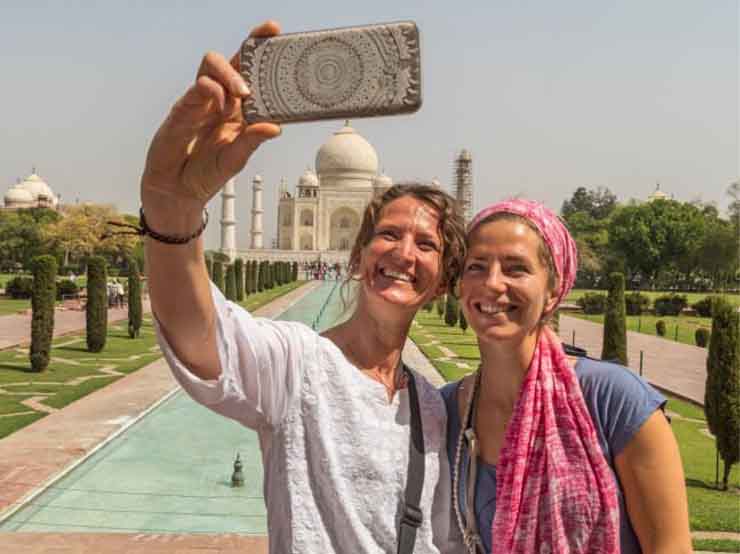
- Photography and storytelling experiences are in demand
- Cultural and historical context matters more than ever
These preferences reflect a global move toward immersive and personalized travel.
Why Planning Ahead Matters More Than Ever
With millions visiting each year and global trends constantly shifting, planning your Taj Mahal trip in advance is essential. From choosing the right time to visit to securing tickets early, preparation can make a huge difference in your experience.
To make your journey seamless, you can easily book your tickets and plan your visit through our website:
👉 https://ticketstajmahal.com
Avoid last-minute stress and enjoy one of the world’s most iconic landmarks the way it deserves to be experienced.
Conclusion
Global travel trends—from rising tourism to digital planning—continue to shape how people experience the Taj Mahal. As visitor numbers grow and expectations evolve, smart planning and responsible travel are key to preserving its beauty for future generations.





Comment (0)