


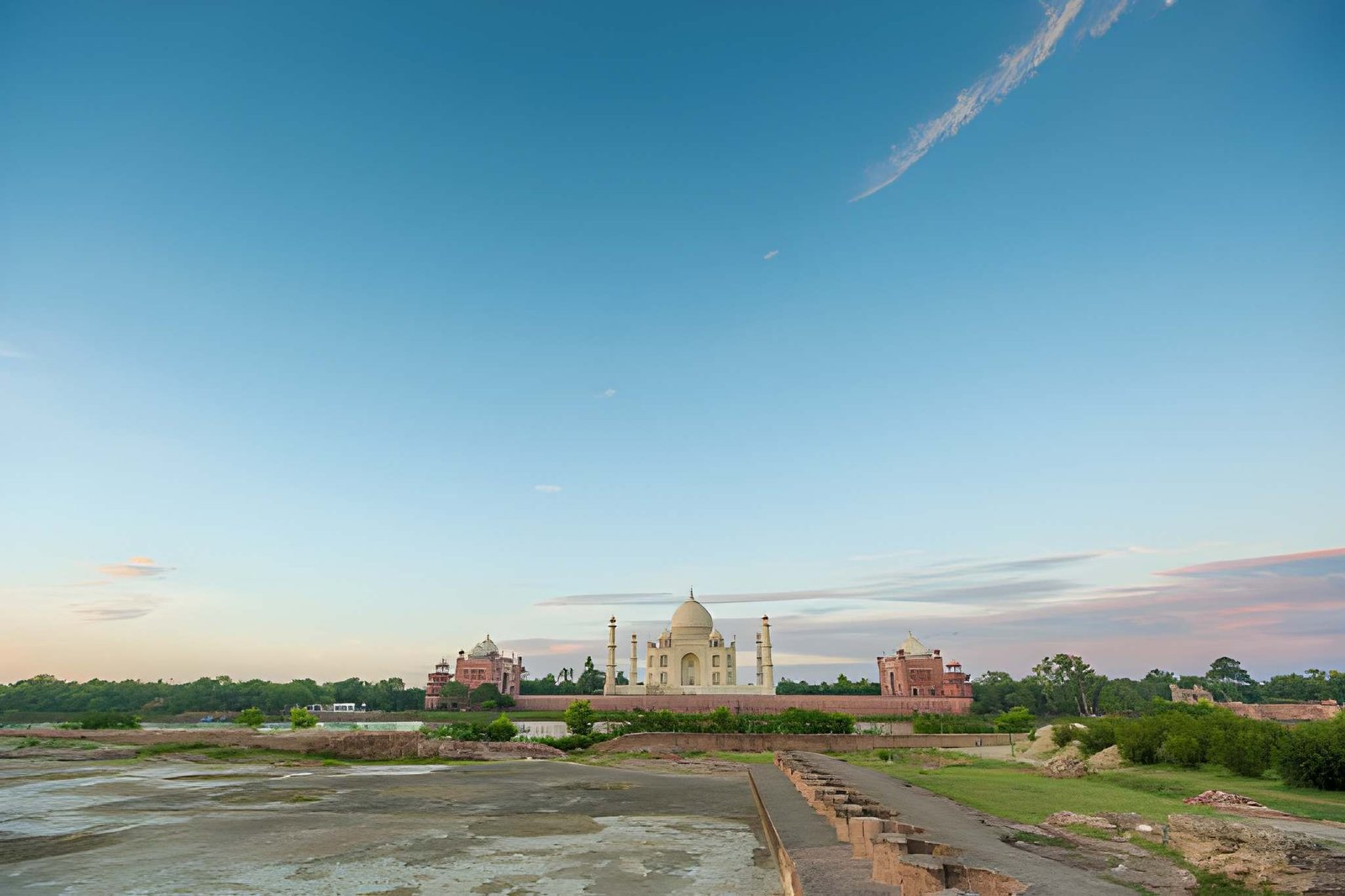
A Monument Beyond Beauty
The Taj Mahal is widely known as a symbol of love, but its value goes far beyond architecture. Located in Agra, India, this UNESCO World Heritage Site is one of the most visited monuments in the world and a powerful driver of economic activity. Every year, it attracts millions of domestic and international tourists, fueling India’s tourism industry and supporting thousands of livelihoods.
Tourism Revenue and National Earnings
One of the most direct economic impacts of the Taj Mahal is ticket revenue. It is consistently the highest-earning monument under the Archaeological Survey of India (ASI), generating hundreds of crores in ticket sales over the years. In recent reports, it has earned nearly ₹98 crore in a single financial year and around ₹297 crore over five years from entry tickets alone.
This revenue contributes significantly to government funds, which are reinvested into heritage preservation, infrastructure maintenance, and tourism development.
Boosting Local Economy in Agra
The Taj Mahal is a major economic engine for Agra. Tourism supports hotels, restaurants, transport services, handicraft shops, and local guides. Thousands of small businesses depend directly on tourist footfall. From rickshaw drivers to souvenir sellers, the monument supports a wide informal economy that sustains many families.
The ripple effect is significant—visitors spend far more on accommodation, food, and shopping than on entry tickets alone, multiplying the Taj Mahal’s economic contribution.
Employment Generation and Skill Development
Tourism around the Taj Mahal creates both direct and indirect employment. This includes tour guides, hotel staff, security personnel, artisans, and travel operators. The broader tourism sector in India contributes tens of millions of jobs, highlighting its importance as a major employment generator in the country.
Local craftsmanship, especially marble inlay work and handicrafts, also thrives due to tourist demand, preserving traditional skills while generating income.
Foreign Exchange and Global Branding
As one of the New Seven Wonders of the World, the Taj Mahal plays a key role in strengthening India’s global tourism image. A large share of its visitors are international tourists, bringing valuable foreign exchange into the country. This boosts India’s balance of payments and supports broader economic stability.
Its global recognition also encourages repeat tourism and increases India’s competitiveness as a cultural destination.
Infrastructure Development and Urban Growth
The popularity of the Taj Mahal has driven major improvements in Agra’s infrastructure, including roads, transport facilities, hospitality services, and urban development projects. These upgrades not only benefit tourists but also improve living standards for local residents.
Conclusion: A Heritage Asset with Economic Power
The Taj Mahal is not just a cultural masterpiece—it is a powerful economic asset. It supports tourism revenue, creates employment, strengthens local businesses, and enhances India’s global appeal. Protecting and promoting it ensures continued economic benefits for generations.
Plan Your Visit
Experience the beauty and history of the Taj Mahal yourself. Book your visit easily through our official platform:
👉 https://ticketstajmahal.com





Comment (0)