


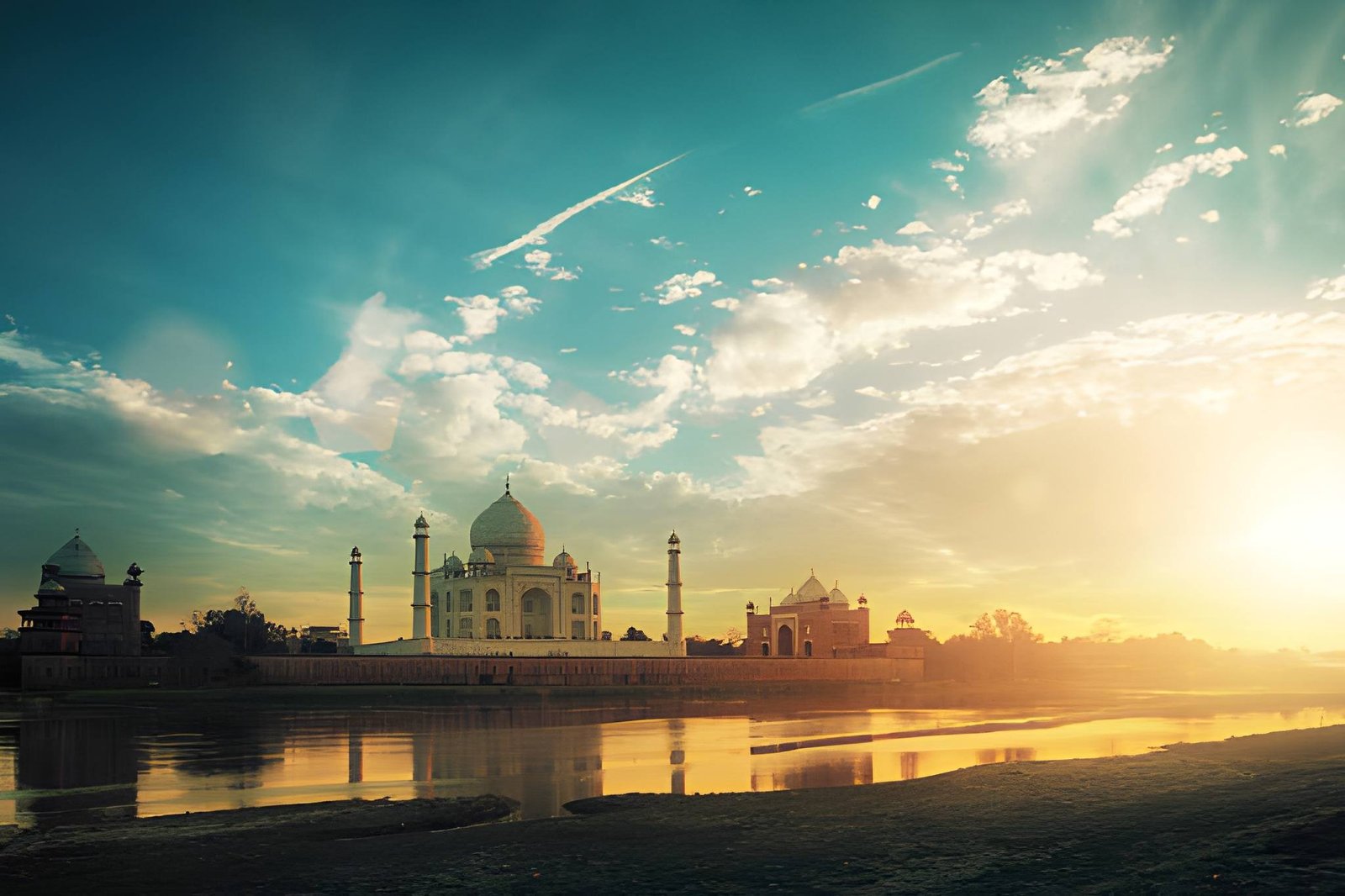
The Taj Mahal is one of the world’s most admired monuments, famous for its glowing white marble and timeless beauty. However, over the years, weather conditions and environmental pollution have slowly affected the monument’s appearance and structure.
How Weather Impacts the Marble
The Taj Mahal is made from Makrana marble, a high-quality white marble known for its shine and durability. Despite its strength, marble is highly sensitive to environmental changes. Rain, heat, humidity, dust, and pollution all contribute to the gradual deterioration of the monument.
One of the biggest threats is acid rain. Harmful gases such as sulfur dioxide and nitrogen oxides mix with moisture in the atmosphere and create acidic rainfall. When this rain touches the marble surface, it reacts chemically with the calcium carbonate in the stone, causing yellowing, roughness, and erosion over time.
The Problem of Yellowing
Visitors often notice that parts of the Taj Mahal no longer appear pure white. Scientists have linked this discoloration to airborne dust, black carbon, and industrial pollution. Tiny particles settle on the marble and reduce its natural shine.
Humidity from the nearby Yamuna River also plays a role. Moisture can increase the absorption of pollutants into the marble, accelerating damage and creating stains and surface weakening.
Heat and Thermal Stress
Agra experiences extremely hot summers and cooler winters. Constant temperature changes cause the marble to expand and contract repeatedly. Over many years, this thermal stress can lead to cracks, flaking, and a phenomenon called “marble sugaring,” where the surface begins to crumble into tiny grains.
Strong winds and dust storms also create abrasion on the marble surface, slowly wearing away delicate carvings and details that make the monument unique.
Preservation Efforts
To protect the Taj Mahal, Indian authorities introduced several conservation measures. The Taj Trapezium Zone (TTZ) restricts polluting industries near the monument, while cleaner fuels and vehicle controls help reduce emissions. Regular cleaning treatments using natural clay packs are also applied to restore the marble’s brightness.
Conservation experts continue to monitor air quality and weather conditions to ensure that future generations can admire this architectural masterpiece.
Experience the Beauty of the Taj Mahal
Despite environmental challenges, the Taj Mahal remains one of the most breathtaking landmarks in the world. If you’re planning a visit, book your tickets in advance and enjoy a smooth travel experience with Tickets Taj Mahal.






Comment (0)