


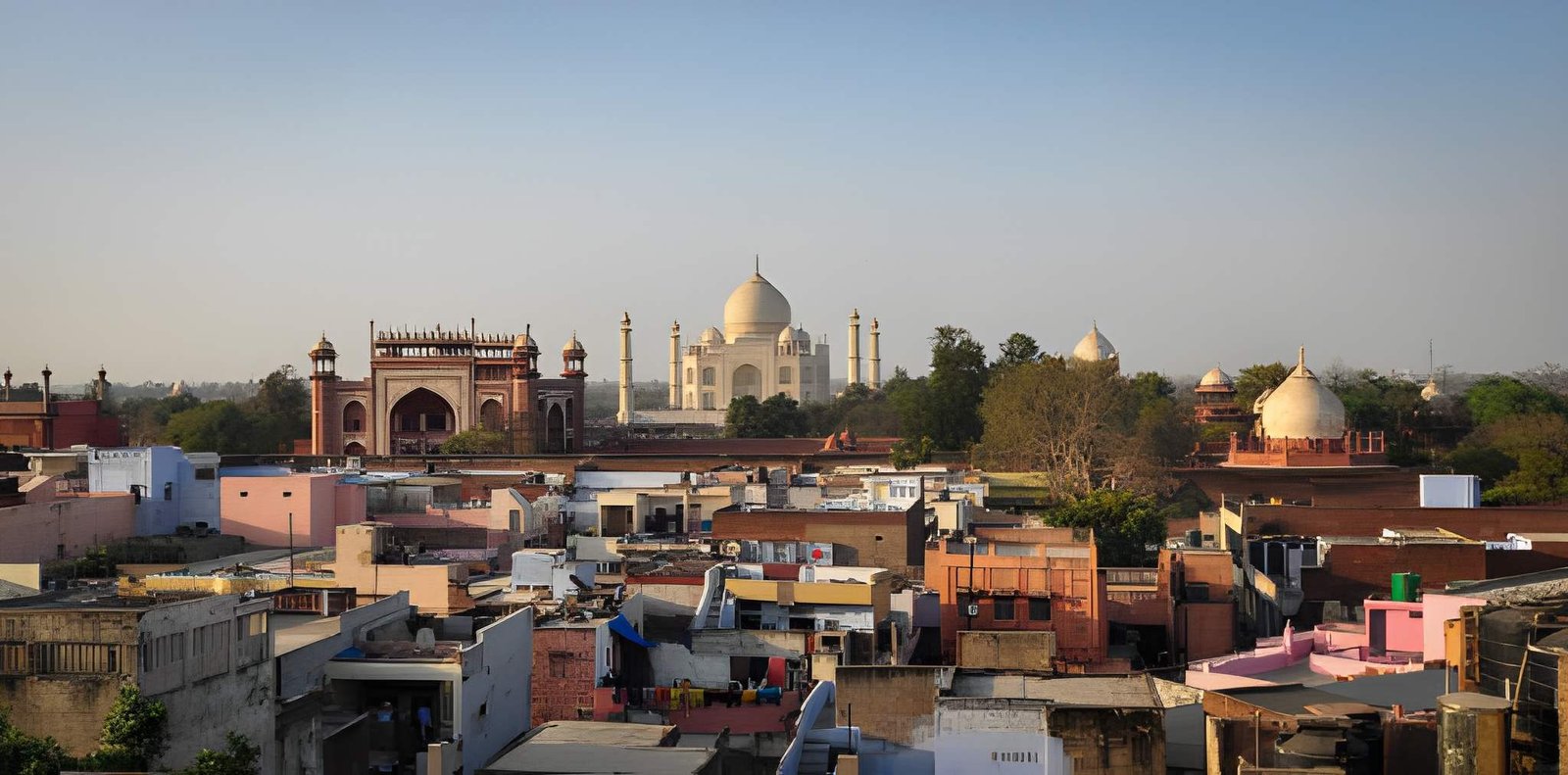
Discover how tourism shapes livelihoods, culture, and local development in Agra
Tourism around the Taj Mahal plays a vital role in transforming nearby communities by generating income, employment, and cultural exchange while also presenting modern challenges.
Economic Growth and Job Creation
Tourism is one of the strongest drivers of Agra’s local economy. Millions of visitors each year support hotels, transport services, guides, and small businesses. This constant flow of travelers creates jobs and stimulates income opportunities for residents. Research shows that tourism helps increase employment and raises living standards in heritage cities like Agra .
Boost to Local Handicrafts and Small Businesses
Communities near the Taj Mahal benefit significantly from the demand for traditional crafts such as marble inlay work, leather goods, carpets, and embroidery. Many families depend on tourism-related sales to sustain their livelihoods. Markets around the monument thrive due to visitor spending on souvenirs and local products.
Cultural Exchange and Heritage Preservation
Tourism encourages cultural interaction between locals and international visitors. This exchange helps promote awareness of India’s heritage and supports the preservation of historical sites. Increased tourism often leads to efforts to maintain monuments, traditions, and local identity.
Challenges Faced by Local Communities
Despite its benefits, tourism also brings challenges. Seasonal overcrowding can strain infrastructure, increase pollution, and raise living costs for residents. Many tourism-related jobs are also seasonal or low-paying, which creates income instability for local workers .
Environmental and Urban Pressure
The large number of visitors around the Taj Mahal puts pressure on transport systems, waste management, and the environment. Maintaining a balance between tourism growth and sustainable living remains a key concern for local authorities and communities.
Sustainable Tourism for the Future
Sustainable tourism practices are essential to ensure long-term benefits for communities near the Taj Mahal. Better planning, eco-friendly infrastructure, and fair distribution of tourism revenue can help improve living standards while protecting the monument and its surroundings.
Conclusion
Tourism around the Taj Mahal is a powerful force that shapes the economy and culture of nearby communities. When managed responsibly, it can continue to provide jobs, preserve heritage, and support sustainable development in Agra.
Plan Your Visit
Experience the beauty and history of the Taj Mahal while supporting local communities.
Book your visit now at: https://ticketstajmahal.com





Comment (0)