


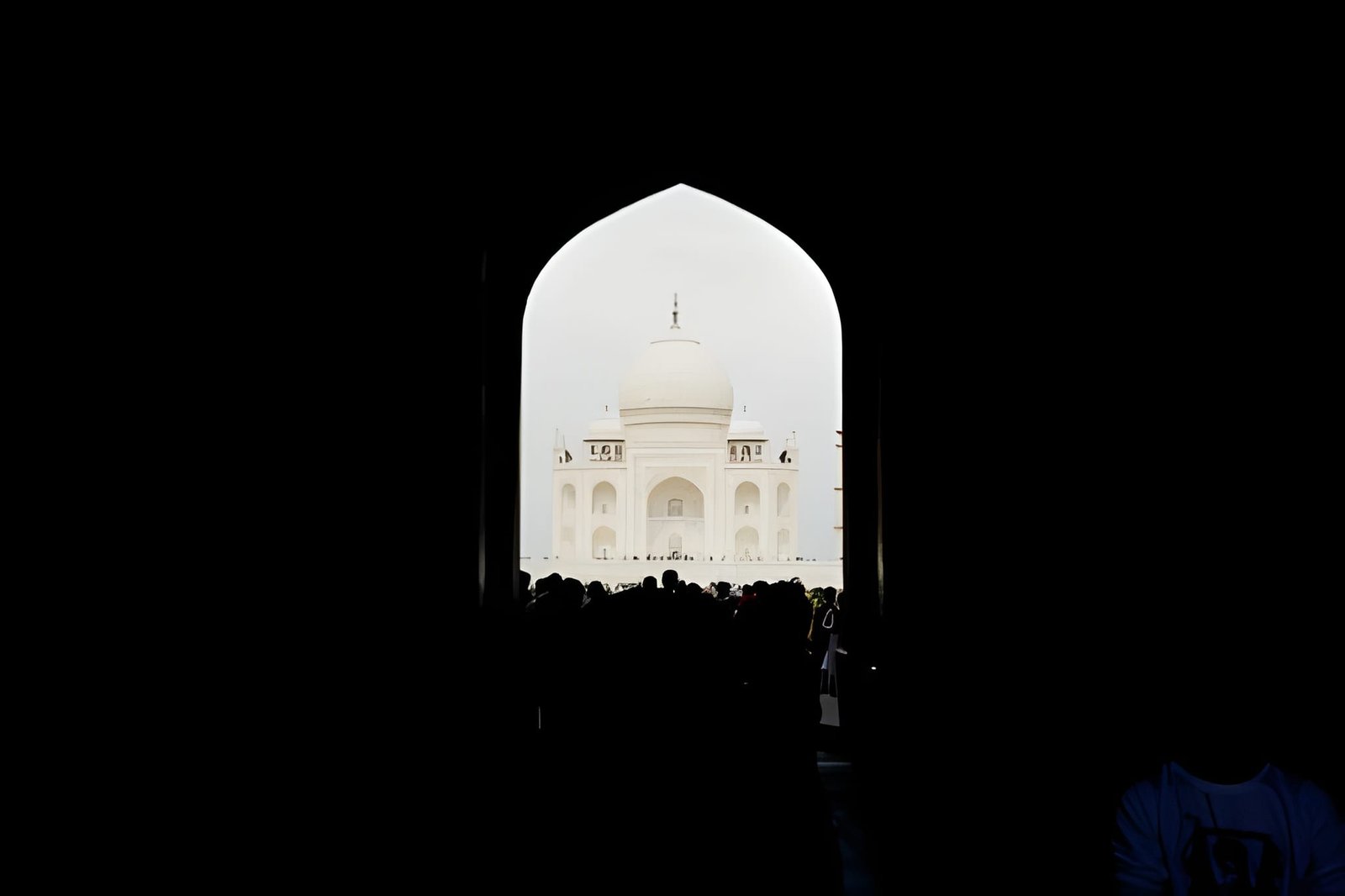
Some places transcend ordinary description, and the Taj Mahal is one of them. While photographs capture its symmetry and glow, words have a unique power—to evoke emotion, history, and imagination all at once. The right language can transport readers across continents and centuries, making them feel as if they are standing before its marble façade at sunrise.
Painting with Language
Describing the Taj Mahal is not just about stating facts; it’s about painting a vivid picture. Words like ethereal, luminous, and timeless help convey the monument’s almost dreamlike presence. The changing hues—from soft pink at dawn to radiant white at midday and golden at sunset—invite poetic expression. Through carefully chosen language, writers can recreate these moments, allowing readers to “see” what they may not yet have experienced.
Emotion Beyond Architecture
The Taj Mahal is more than an architectural wonder—it is a symbol of love and devotion. Words give life to this emotional depth. By describing the story behind its creation, the monument transforms from a structure into a narrative of human connection. Language bridges the gap between stone and sentiment, making the experience deeply personal for every reader.
Capturing Sensory Details
Great descriptions engage all the senses. The cool touch of marble under bare feet, the quiet echo of footsteps in the main chamber, and the gentle reflection of the monument in surrounding pools—all these details can be brought to life through expressive writing. When readers can imagine not just seeing but also feeling and hearing the Taj Mahal, the description becomes immersive.
Inspiring Real Experiences
Words don’t just describe—they inspire action. A compelling description can spark curiosity and turn a dream into a plan. When readers feel emotionally connected through storytelling, they are more likely to seek the real experience themselves. If you’re ready to witness this iconic wonder firsthand, you can explore your options and book your visit at https://ticketstajmahal.com.
Conclusion
The power of words lies in their ability to transform a destination into an experience. In describing the Taj Mahal, language becomes a bridge between imagination and reality. Whether you’re writing, reading, or planning your journey, the right words can make this timeless monument feel closer than ever—and perhaps even inspire your next unforgettable adventure.





Comment (0)