


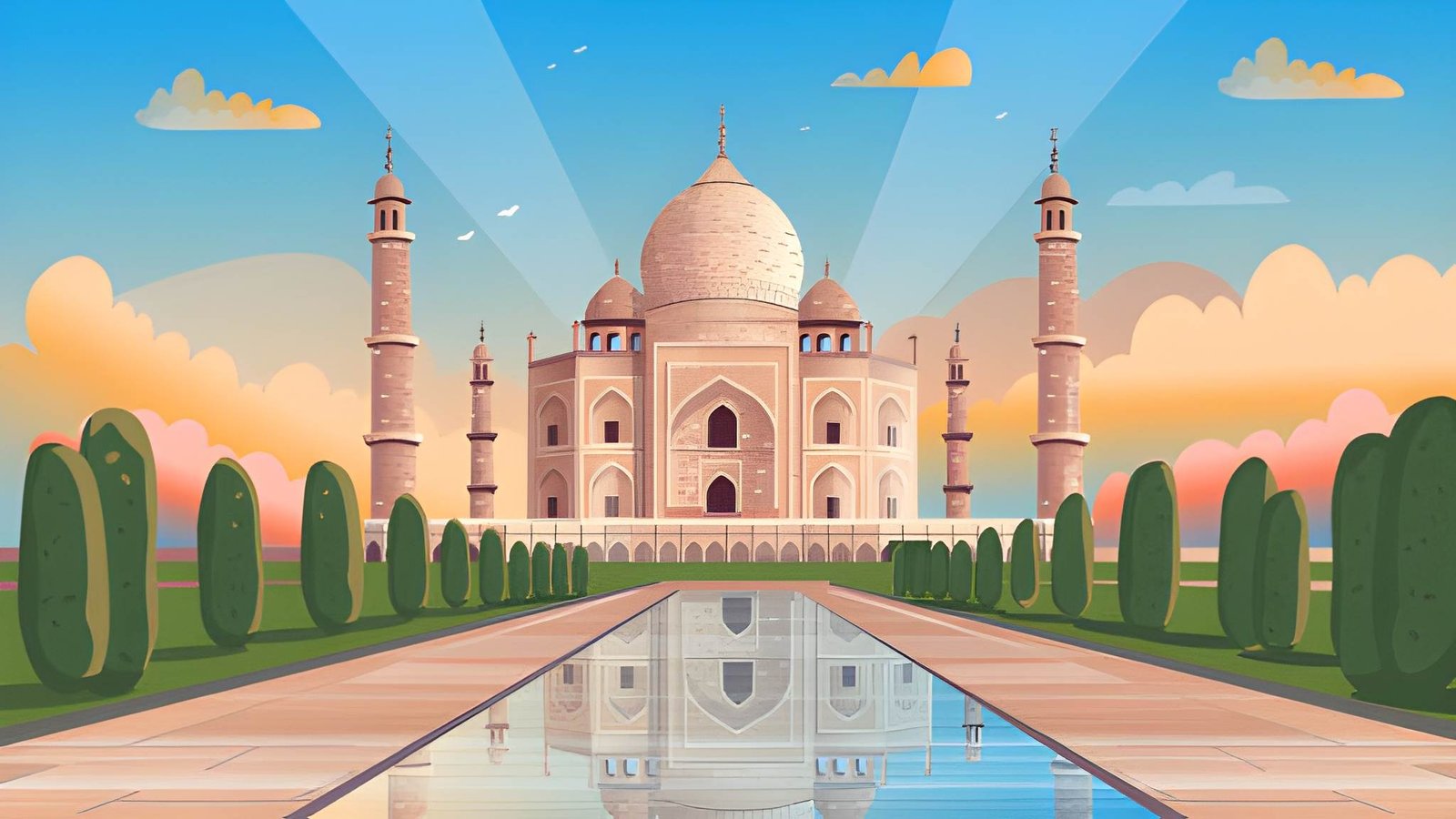
The Taj Mahal has long stood as a symbol of love, architectural brilliance, and cultural heritage. But in today’s digital age, its story is no longer confined to textbooks or guided tours—it is being reimagined through innovative forms of storytelling that reach audiences across the globe.
A Monument Beyond Time
Built in the 17th century, the Taj Mahal continues to captivate millions with its symmetry, marble artistry, and emotional legacy. Traditionally, visitors experienced its beauty in person or through photographs. Now, digital storytelling adds new layers—bringing its history, craftsmanship, and human stories into sharper, more engaging focus.
The Rise of Digital Narratives
With advancements in technology, the Taj Mahal has become a centerpiece for immersive storytelling. Virtual tours, augmented reality (AR), and 3D reconstructions allow people to explore its corridors and gardens from anywhere in the world. These tools don’t just showcase the monument—they recreate the era in which it was built, helping audiences understand the cultural and historical context behind it.
Social media platforms and video storytelling have also played a major role. Short-form videos, drone footage, and interactive timelines turn the Taj Mahal into a dynamic narrative rather than a static landmark. Through these formats, creators share lesser-known details—from the artisans who built it to the myths surrounding its construction.
Connecting Emotion with Technology
What makes digital storytelling so powerful is its ability to connect emotionally. The Taj Mahal is not just an architectural wonder; it is a story of love and loss. Digital platforms amplify this narrative by combining visuals, sound, and personal perspectives. Visitors can now experience sunrise over the monument in high definition, hear historical accounts, or even follow guided storytelling sessions online.
This blend of emotion and technology ensures that the Taj Mahal remains relevant to younger generations who consume content digitally. It transforms passive viewers into active participants in the story.
Enhancing Real-World Visits
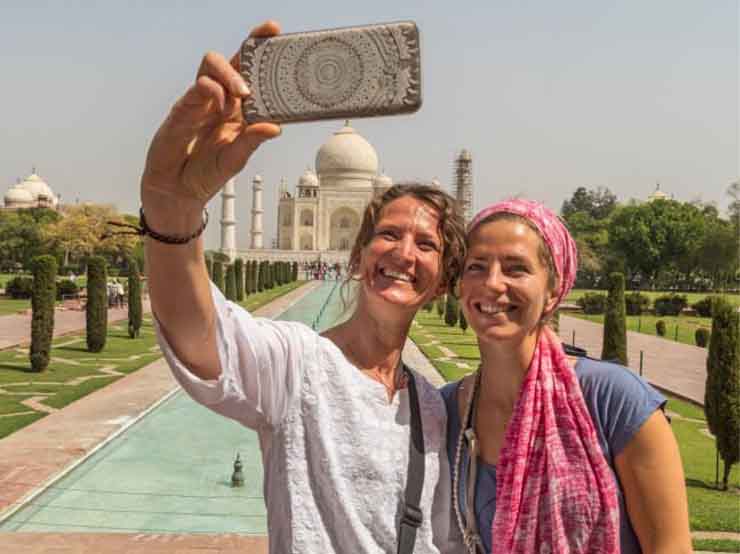
Digital storytelling doesn’t replace the experience of visiting the Taj Mahal—it enhances it. Travelers can prepare in advance by exploring virtual previews, learning about key features, and planning their journey more effectively. Once there, mobile guides and AR apps provide deeper insights in real time.
If you’re inspired to experience this wonder firsthand, you can plan your visit and secure your entry easily through https://ticketstajmahal.com. Booking ahead ensures a smoother, more enjoyable trip while allowing you to focus on the beauty and history that await.
Preserving Heritage for the Future
Beyond engagement, digital storytelling also plays a role in preservation. High-resolution scans, digital archives, and interactive models help document the Taj Mahal in incredible detail. These efforts ensure that even as time and environmental factors take their toll, the monument’s legacy is preserved for future generations.
A Story That Continues to Evolve
The Taj Mahal’s story is far from static. In the age of digital storytelling, it continues to evolve—reaching new audiences, inspiring new perspectives, and bridging the gap between past and present. Whether experienced through a screen or in person, its timeless beauty remains as powerful as ever.





Comment (0)