


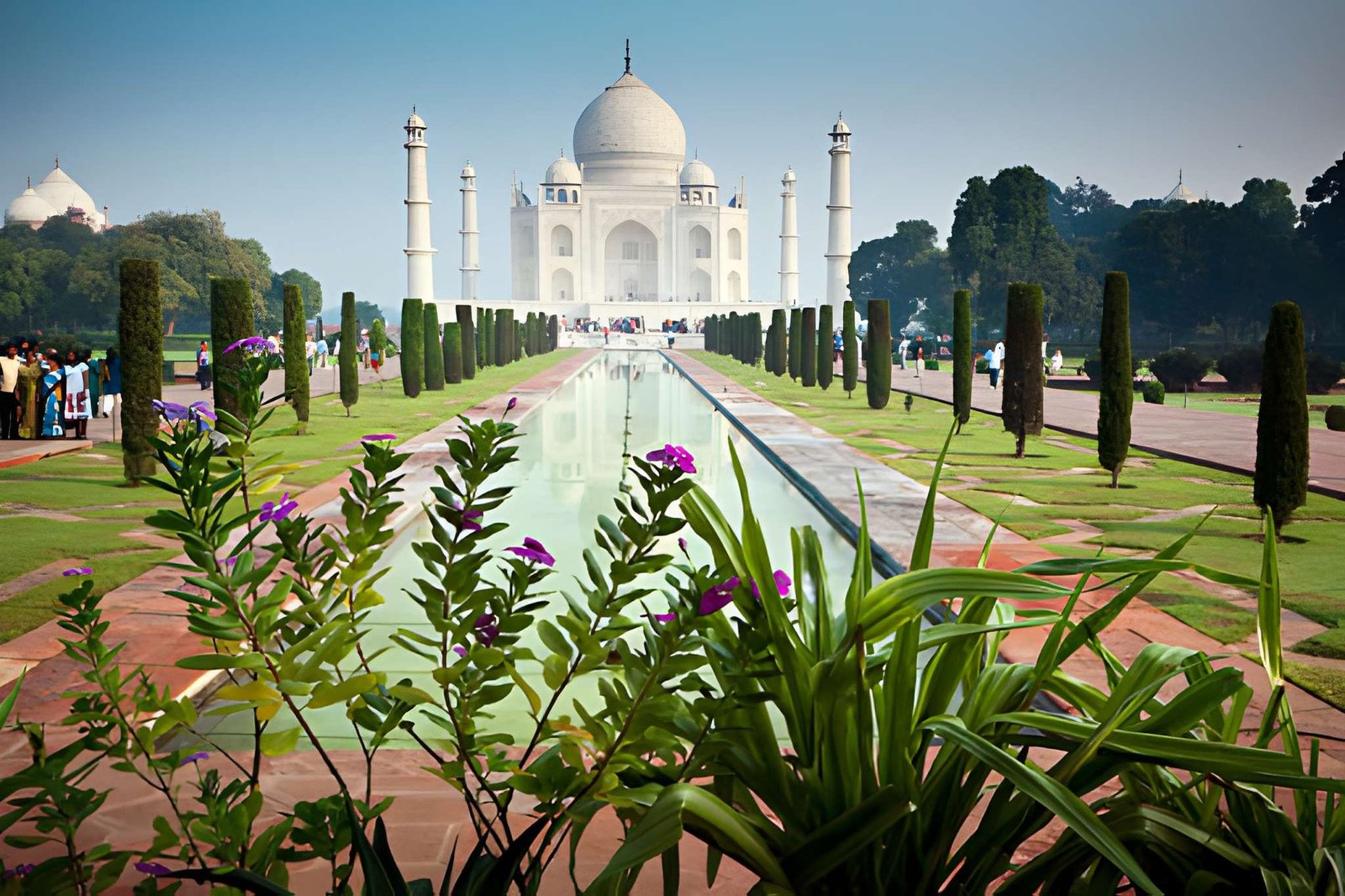
A Global Icon of Heritage and Beauty
The Taj Mahal in Agra, India, is one of the most recognized monuments in the world. Built in the 17th century by Mughal Emperor Shah Jahan, it is a UNESCO World Heritage Site and widely regarded as a symbol of eternal love. Beyond its historical and architectural importance, it plays a powerful role in shaping both local and global tourism industries.
A Magnet for Global Travelers
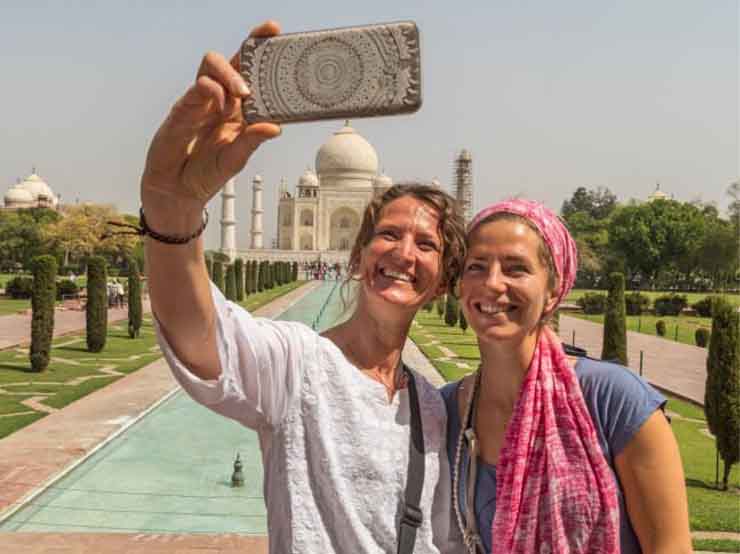
The Taj Mahal consistently ranks among the most visited tourist attractions in India and the world. It welcomes millions of domestic and international visitors every year, making it a cornerstone of India’s cultural tourism sector.
Travelers from across continents visit Agra specifically to experience its white marble beauty, intricate craftsmanship, and serene gardens. It is often included in global travel itineraries alongside major landmarks like the Eiffel Tower and the Great Wall of China.
Driving Local Economy and Employment
Tourism at the Taj Mahal significantly supports the local economy of Agra. The monument generates revenue through entry tickets, guided tours, transportation services, hotels, restaurants, and handicraft markets.
Thousands of local residents depend directly or indirectly on tourism for their livelihood. From licensed tour guides to artisans selling marble souvenirs, the Taj Mahal fuels a vibrant tourism ecosystem that sustains the city.
Strengthening India’s Global Tourism Image
On a global scale, the Taj Mahal serves as one of India’s strongest tourism ambassadors. It represents India in international travel campaigns and attracts attention from filmmakers, photographers, and cultural researchers worldwide.
Its recognition as a UNESCO World Heritage Site and one of the New Seven Wonders of the World further strengthens India’s position on the global tourism map.
Challenges of High Tourist Volume
While tourism brings many benefits, the high number of visitors also creates challenges such as overcrowding, environmental pressure, and preservation concerns. Authorities regularly implement measures like regulated entry timings and crowd control systems to protect the monument for future generations.
These efforts ensure that tourism remains sustainable while preserving the monument’s historical integrity.
Why Tourists Continue to Visit
Despite challenges, the Taj Mahal remains irresistible due to its unmatched beauty, emotional story, and architectural perfection. Its reflection on the Yamuna River at sunrise continues to inspire travelers from around the world.
Plan Your Visit
Experiencing the Taj Mahal in person is unforgettable, and planning ahead ensures a smooth journey. Visitors are encouraged to book tickets in advance for a hassle-free experience.
👉 Book your visit here: https://ticketstajmahal.com
Conclusion
The Taj Mahal is more than just a monument—it is a global tourism powerhouse and a lifeline for local communities. Its influence spans culture, economy, and international travel, making it one of the most important heritage sites in the world.





Comment (0)