


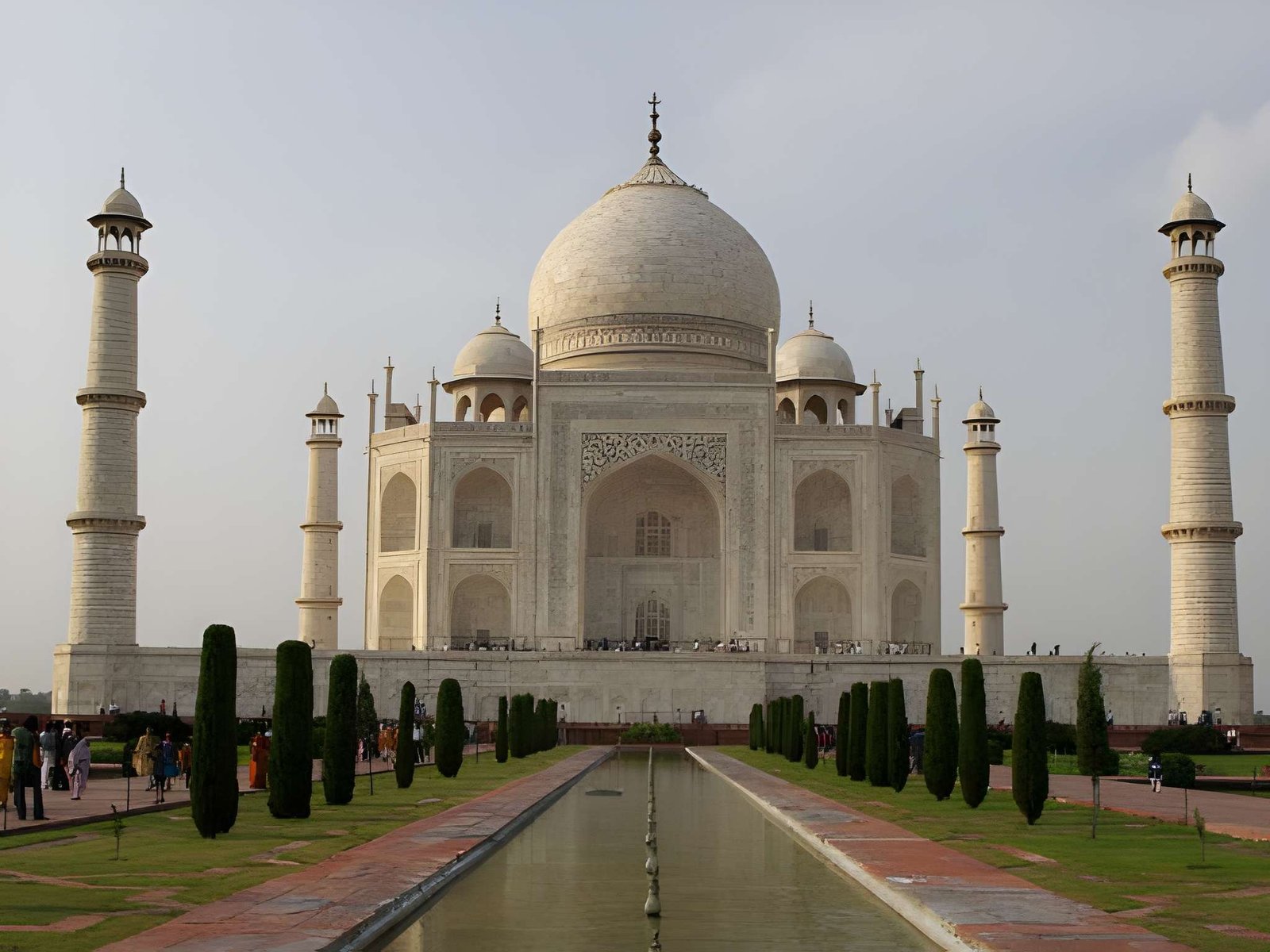
The Taj Mahal stands as one of the most iconic monuments ever created—a timeless symbol of love, craftsmanship, and architectural brilliance. But what if this masterpiece were built in the 21st century? How would modern technology, materials, and economics shape its construction?
A Modern Price Tag
When it was completed in 1653, the Taj Mahal reportedly cost around 32 million rupees—an astronomical sum at the time. Adjusted for today’s value, estimates suggest it could cost anywhere from $1 billion to over $2 billion to recreate.
Labor costs alone would skyrocket. The original structure employed over 20,000 artisans and workers. Today, strict labor laws, fair wages, and safety regulations would significantly increase expenses.
Technology Meets Tradition
Modern construction would look very different. Advanced machinery like cranes, laser-cutting tools, and 3D modeling software would speed up the process dramatically. What took over 20 years to build might now be completed in less than a decade.
However, the intricate hand-carved marble inlays and calligraphy—key features of the Taj Mahal—would still require skilled artisans. Even with automation, achieving that level of detail would demand human craftsmanship.
Materials and Sustainability
The original Taj Mahal used white marble from Makrana, along with precious stones sourced from across Asia. Today, sourcing such materials would be more complex due to environmental regulations and sustainability concerns.
Modern builders might incorporate eco-friendly alternatives, energy-efficient systems, and sustainable construction practices. Solar panels, water recycling systems, and green landscaping could transform the Taj Mahal into a symbol of both beauty and environmental responsibility.
Design Evolution
Would the design remain the same? Possibly—but with subtle changes. Architects today might integrate structural reinforcements to withstand earthquakes or climate impacts. Accessibility features like ramps and guided pathways would also be standard.
Digital lighting and projection mapping could enhance the visitor experience at night, adding a contemporary touch without compromising its elegance.
Cultural and Emotional Value
Even if recreated perfectly, a modern Taj Mahal would lack one key element: history. The original monument carries centuries of emotion, stories, and cultural significance that cannot be replicated.
It’s not just about architecture—it’s about legacy.
Experience the Real Taj Mahal
While imagining a modern version is fascinating, nothing compares to visiting the original masterpiece. Its beauty, symmetry, and atmosphere continue to captivate millions each year.
If you’re planning a visit, make it seamless and memorable by booking your tickets in advance. Explore your options and skip the hassle here: https://ticketstajmahal.com
Step into history and witness a wonder that no modern construction could ever truly replace.





Comment (0)